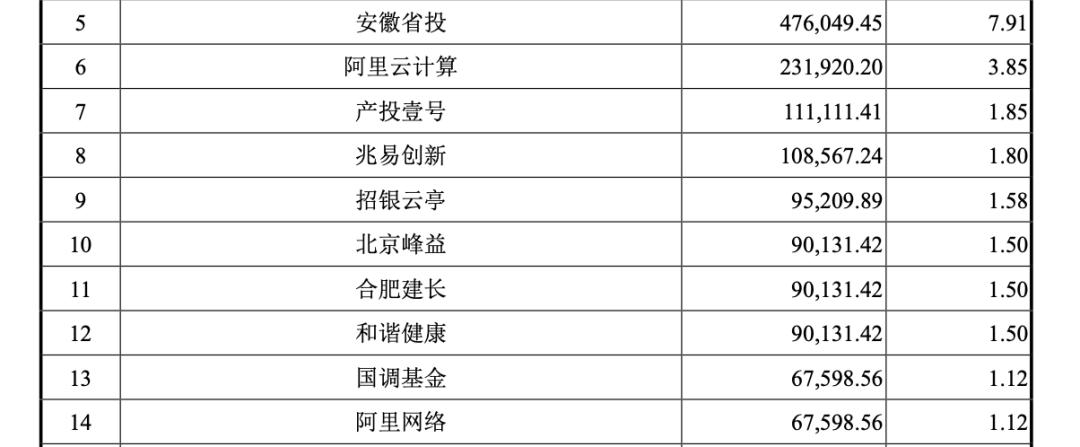
阿里巴巴正通过系列投资在人工智能产业链上布局多个关键环节。阿里在2024财年投入约8亿美元获得月之暗面约36%的优先股权益1,并通过阿里云计算和阿里网络对长鑫科技的长期投入获得回报——累计投入约76亿元后,长鑫科技上市首日收于49元,对应账面增值接近1400亿元1。这些外部投资涵盖AI模型、视频生成、存储芯片等多个产业环节1。
阿里自身的AI业务也在扩张。阿里云外部收入同比增长40%,其中AI相关产品季度收入89.71亿元,占外部收入的30%1。为支撑这一扩张,阿里计划三年内投入至少3800亿元建设AI和云基础设施,实际支出预计将超过这一计划1。
然而,这些外部投资与阿里云、通义千问等内部业务目前尚未形成统一的经营和利润体系1。阿里仍需找到能够整合这些投资并产生协同价值的新中心1。
Alibaba has strategically positioned itself across multiple segments of the artificial intelligence supply chain through a series of high-profile investments. The company deployed approximately 800 million US dollars in 2024 to acquire roughly 36% preferred equity stake in Moonshot AI 1. Prior to its initial public offering, Alibaba Cloud Computing and Alibaba Network collectively held 4.97% of long-term storage chip maker ChangXin Memory Technologies, representing a cumulative investment of approximately 7.6 billion yuan 1. Following ChangXin's market debut, the company's shares closed at 49 yuan, generating paper gains approaching 140 billion yuan for Alibaba 1.
The diversified investment portfolio reflects Alibaba's broader push into AI infrastructure and applications. Alibaba Cloud's external revenue grew 40% year-over-year, with AI-related products generating 89.71 billion yuan in quarterly revenue—representing 30% of total external revenue 1. The company has committed to investing at least 380 billion yuan over three years to build AI and cloud infrastructure, though actual expenditures are expected to exceed this figure 1. These investments span foundational models through Moonshot AI and video generation capabilities via Kling, creating coverage across multiple technology layers.
However, the external investments remain disconnected from Alibaba's internal operations including Alibaba Cloud and Tongyi Qianwen, failing to form a unified operating and profit system 1. Alibaba faces the ongoing challenge of identifying a central business model capable of integrating these positioned assets to generate cohesive value creation.
评论
还没有评论,欢迎留下第一条。