四位全球机器人行业领导者在播客中讨论了人形机器人的商业化前景。11X公司的Neo机器人预售首批1万台,提供全款或月付500美元订阅两种支付模式,预计2026年开始交付。1Agility Robotics的Digit V5将于2026年晚些时候推出,成为首款获准在无物理安全围栏情况下与人类并肩工作的人形机器人。1
巡检机器人的实际价值已得到验证。波士顿动力的Spot机器人曾发现空气泄漏,为一家公司避免了每天300万美元的停机损失。1行业领导者将此类应用定位为防止关键停机而非替代人力。1
在成本方面,四家公司的单位经济性目标是通过20小时/天、365天运营、持续5年共约40000小时的使用周期,将机器人硬件成本降至每小时1美元,对标人力成本的20-40美元/小时。1
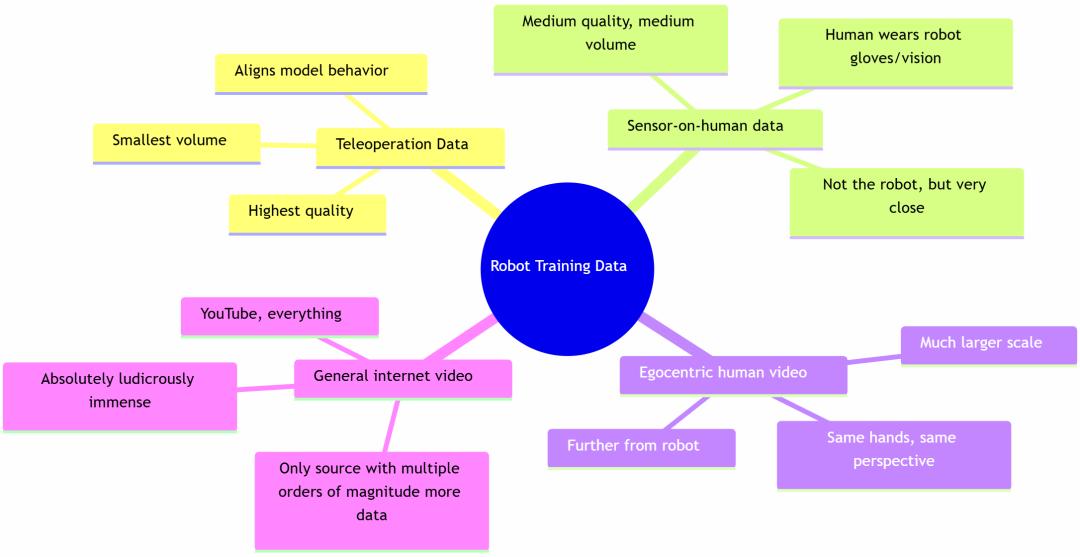
1X创始人Bert Borick表示,"距离机器人硬起飞不到十年。机器人建造机器人、数据中心、芯片厂、采矿、精炼,成为自给自足系统。"他个人押注这一时间可以缩短至三年。1各方采用利用人类视频数据进行预训练的方法来进行技术训练。1OpenAI创始人奥特曼表示,未来2-3年内将迎来属于机器人的"ChatGPT"时刻。1
Four leading robotics companies are projecting a dramatic shift in autonomous systems economics and deployment timelines.1 ANYbotics, 1X, Boston Dynamics, and Agility Robotics shared their vision during a podcast discussion, with a focus on achieving unit economics where robots operate at approximately one dollar per hour—a fraction of the twenty to forty dollars per hour cost of human labor.1
The path to commercialization is accelerating, particularly in the humanoid segment. 1X's Neo robot has entered presale for an initial batch of ten thousand units, with customers able to choose between full payment or a five-hundred-dollar monthly subscription model, with deliveries beginning in 2026.1 Agility Robotics plans to launch its Digit V5 later in 2026, marking the first humanoid robot authorized to work alongside humans without physical safety barriers.1 Industry projections suggest that widespread adoption will occur within three to ten years.1
The commercial case for robotics extends beyond labor replacement. An inspection robot discovered an air leak that prevented a potential daily loss of three million dollars in downtime for one company, demonstrating value creation beyond worker substitution.1 To achieve the one-dollar-per-hour cost target, companies calculate that a robot operating twenty hours daily across a five-year span—approximately forty thousand hours—must reduce hardware costs proportionally.1 1X founder Bert Borick stated that "self-sufficient systems of robots building robots, data centers, chip factories, mining, and refining are less than a decade away," though he personally projects this timeline could compress to three years.1
评论
还没有评论,欢迎留下第一条。