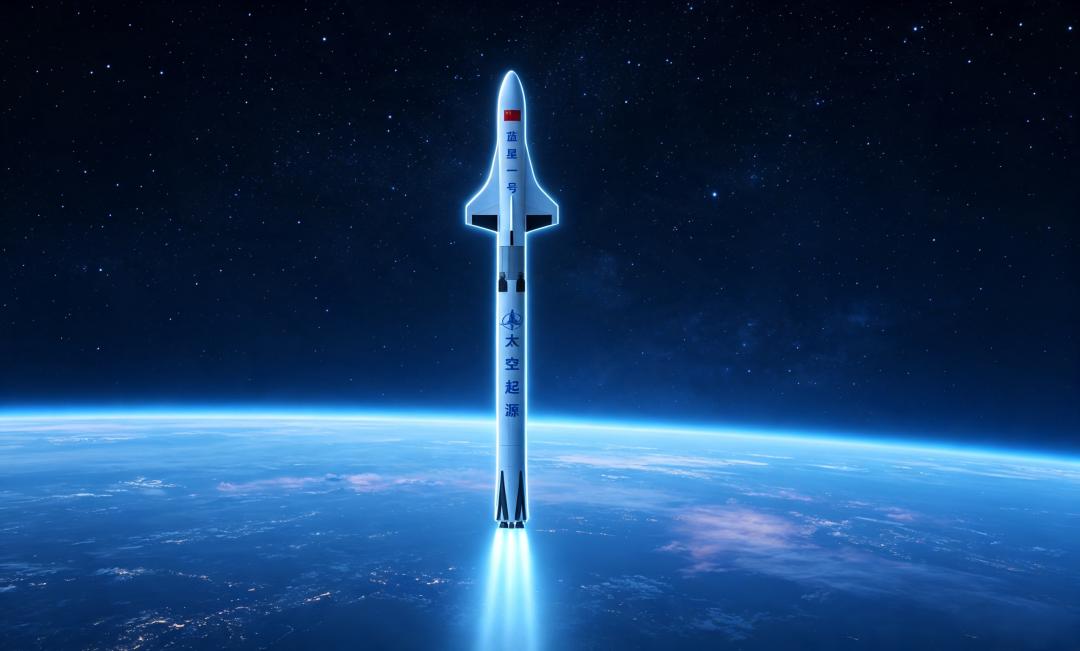
成立于2026年的太空起源企业正在推进商业航天产业的下一阶段竞争。1该公司率先布局二级火箭复用技术,采用气动减速方案,这一方案更加适应中国商业航天的现状。1太空起源团队主要来自航天系统和清华大学航天航空学院,平均从业时间超过15年。1公司计划通过缩比验证机飞行试验来验证核心技术,最终目标是打造可重复使用的空天飞行器基础设施。1
二级火箭复用面临的技术难度远高于一级火箭。1二级火箭返回速度高达25马赫,约为一级的4倍,动能差距接近16倍,峰值热载荷相差可达64倍。1返回时箭体头部温度超过1600摄氏度,面临极端热流冲击。1相比之下,SpaceX猎鹰9号已突破一级火箭36次可复用,发射费用约为3000美元/kg;星舰实现一二级全复用后发射费用约600美元/kg。1
2025年中国完成商业航天发射50次,入轨商业卫星311颗,相比美国SpaceX一家企业完成165次发射、入轨卫星约3800颗,产业差距依然明显。1
The commercial aerospace industry is shifting its focus from first-stage booster recovery toward second-stage rocket reusability, marking the next competitive battleground. Space Origin, a company founded in 2026, is taking the lead in second-stage recovery technology by adopting an aerodynamic braking approach better suited to China's commercial spaceflight landscape 1. The company, staffed primarily by aerospace industry veterans and graduates from Tsinghua University's School of Aerospace Engineering with an average of over 15 years of experience 1, plans to validate core technologies through scaled-prototype flight tests with the ultimate goal of building reusable space-air vehicle infrastructure 1.
The technical challenges of second-stage reusability are substantially more severe than first-stage recovery 1. Upon reentry, second-stage rockets reach speeds of approximately 25 Mach—roughly four times faster than first-stage vehicles—creating dynamic pressures nearly 16 times greater and peak thermal loads potentially 64 times higher 1. The rocket's nose section experiences temperatures exceeding 1,600 degrees Celsius during reentry, exposing the vehicle to extreme thermal shock 1. These difficulties contrast with SpaceX's Falcon 9, which has achieved 36 first-stage rocket reuses with launch costs of approximately $3,000 per kilogram; when Starship achieves full two-stage reusability, launch costs are projected to drop to roughly $600 per kilogram 1.
China's commercial aerospace sector launched 50 missions in 2025, placing 311 commercial satellites into orbit 1, significantly behind SpaceX's 165 launches and approximately 3,800 deployed satellites over the same period 1. Space Origin's advancement in second-stage reusability technology positions the company as a potential contributor to narrowing this competitive gap.
评论
还没有评论,欢迎留下第一条。