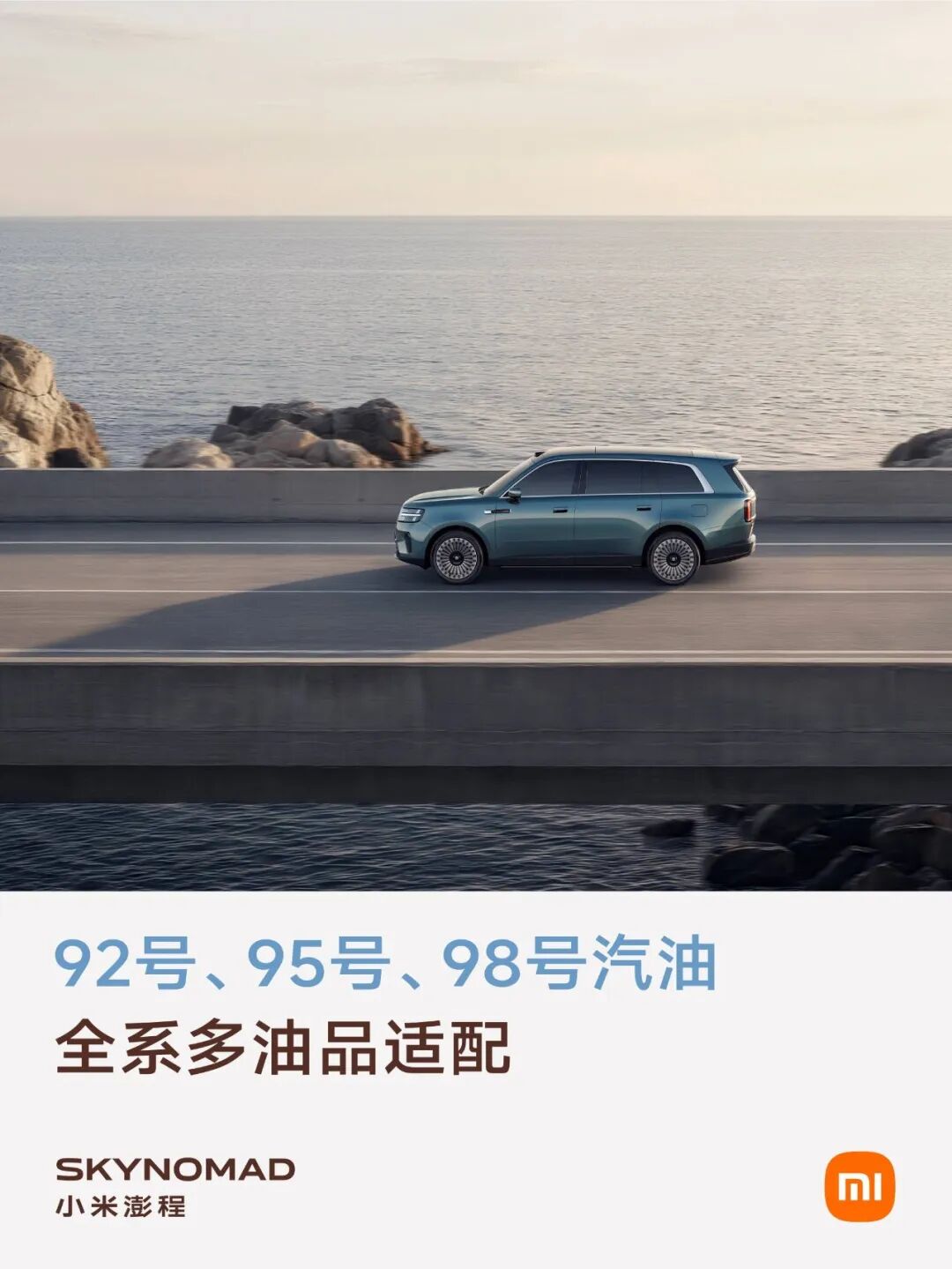
小米汽车因其澎程增程器的营销宣传陷入舆论风波。7月28日,小米发布海报宣称澎程N90"92号、95号、98号汽油全系多油品适配"1,这一表述随即引发网络质疑,被指将汽车领域的常规知识重新包装成产品卖点。与此同时,小米关于澎程N90 Max后备箱空间的宣传也遭到审视,该车型在二、三排座椅前移后号称能放下两辆公路自行车1,引发消费者对具体参数的疑问。
为回应争议,小米补充说明了产品细节。小米表示宣传图中使用的自行车均采用700C轮组,分别为52码和46码1。业内对比显示,竞品车型对燃油规格有明确限制——理想L9标注使用95号汽油,问界M9增程版则要求使用95号及以上汽油1,小米支持92号汽油的方案由此构成差异。
Xiaomi faced online criticism after releasing promotional materials for its Polestar range extender on July 28, with claims that drew skepticism from consumers and industry observers 1. The company announced that the N90 model could operate on 92-octane, 95-octane, and 98-octane gasoline across its entire lineup, a specification that some viewed as repackaging conventional knowledge rather than highlighting genuine innovation 1.
The backlash extended to another marketing claim about the Polestar N90 Max, which Xiaomi stated could accommodate two road bicycles in its cargo area after moving the second and third-row seats forward 1. When questioned, Xiaomi provided clarification that the bicycles featured in promotional images used 700C wheel sets, specifically in sizes 52 and 46 1. The multi-fuel compatibility claim distinguished Xiaomi's offering from competitors; the Li L9 requires 95-octane gasoline, while the Huawei Qinghe M9 extended-range version demands 95-octane or higher 1. By supporting 92-octane operation, Xiaomi positioned itself differently in the market, though this difference became a focal point for online criticism.
The marketing controversies reflect mounting concerns about Xiaomi's credibility following last year's hood incident involving the SU7 Ultra, which had damaged consumer trust in the company's promotional messaging 1.
评论
还没有评论,欢迎留下第一条。