国产大模型企业正面临严峻的商业挑战。虽然在调用量上领先国外竞品,但营收与成本的失衡使其难以维持健康的商业模式。以智谱为例,其2025年营收仅为7.24亿元,却面临超过30亿元的亏损;MiniMax的营收约5.7亿元,同样处于亏损状态1。相比之下,Anthropic的年度经常性收入(ARR)已达600-700亿美元1,反映出国产模型与国际领先者之间的巨大差距。
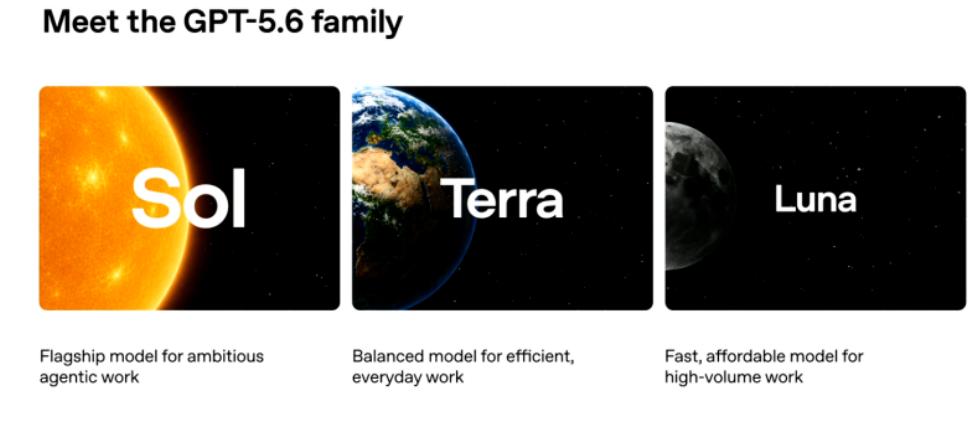
价格看似低廉,但实际使用成本反而更高,这成为国产模型难以竞争的根本症结。以编程场景为例,GLM-5.2每百万Token的输入和输出价格分别为1.4美元和4.4美元,而GPT-5.6 Sol则为5美元和30美元1。然而,国产模型缺乏有效的包月套餐设计,导致高强度使用者反而成本更重。一位AI研究者一天消耗近40亿Token,用GLM-5.2需花费约7800元人民币1,而在GPT Codex套餐上,开发者一周仅需花费约300元人民币1。相比之下,Cursor、GitHub Copilot等大客户一年能为Anthropic贡献约14亿美元收入1,充分体现了国外厂商通过包月模式锁定客户、分散成本的优势。
国产大模型的困境根源于算力供应不足。中国现存数据中心仅449个,美国则拥有5427个;中国总算力1053 EFLOPS,而美国达2400 EFLOPS1。在这样的制约下,国产模型企业难以像国外竞品那样提供成本可控的包月服务。2026年3月,智谱、阿里云、腾讯云、百度集体涨价,涨幅从5%到460%不等1,进一步加剧了用户的负担。例如Kimi K3每百万Token的缓存、输入、输出价格分别为2元、20元、100元1,在高频使用场景下成本差异明显。
Domestic artificial intelligence model providers face mounting challenges in competing with international counterparts due to pricing pressures and limited cost-effective offerings. Despite leading in token usage volume, Chinese AI companies report significant financial strain. Zhipu generated 724 million yuan in revenue in 2025 while posting losses exceeding 3 billion yuan, while MiniMax reported approximately 570 million yuan in revenue.1 By comparison, Anthropic achieved annual recurring revenue of 600 to 700 billion yuan.1
The fundamental issue lies not in headline pricing but in practical deployment costs for intensive use cases. Zhipu's GLM-5.2 charges 1.4 and 4.4 dollars per million tokens for input and output respectively, appearing cheaper than OpenAI's GPT-5.6 Sol at 5 and 30 dollars.1 However, when researchers encounter high-volume workloads, the lack of viable package plans makes domestic models substantially more expensive. One AI researcher consuming nearly 4 billion tokens daily would pay approximately 7,800 yuan using GLM-5.2, whereas developers subscribing to OpenAI's Codex packages spend only around 300 yuan per week.1 Kimi K3's pricing structure—2, 20, and 100 yuan per million tokens for cache, input, and output—similarly fails to offer the subscription flexibility of competitors.1
The underlying constraint is insufficient computing infrastructure. China currently operates 449 data centers with total computing capacity of 1,053 EFLOPS, substantially below the United States' 5,427 data centers and 2,400 EFLOPS.1 This hardware deficit prevents Chinese providers from offering economical bundled subscription models comparable to what Anthropic provides, particularly for high-demand customers like Cursor and GitHub Copilot, which generate approximately 1.4 billion dollars in annual revenue for Anthropic.1 In March 2026, major Chinese cloud providers including Zhipu, Alibaba Cloud, Tencent Cloud, and Baidu collectively raised prices, with increases ranging from 5 percent to 460 percent.1
评论
还没有评论,欢迎留下第一条。