豆包手机正调整其技术方案,以适应商业化需求。该产品的备货量从3万台提升到数十万台,但随之下线了操作微信、支付宝等应用的GUI能力,转而依赖应用主动开放MCP服务1。这一变化反映出Agent手机从追求完整系统权限向与超级App协商妥协的转向。
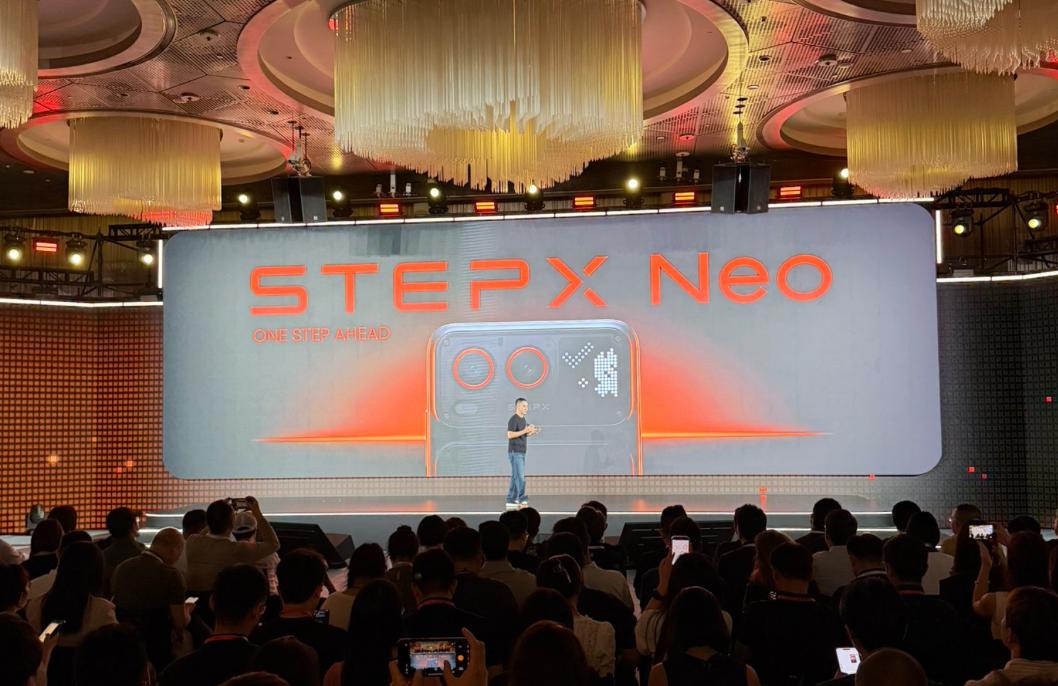
行业内多家企业同步推进相关产品。阶跃星辰于7月13日发布了STEPX Neo、Step AOS和Amoo产品1,其中STEPX Neo的首批合作伙伴包括支付宝、百度、美团、京东、滴滴、携程和高德1。该公司负责人印奇表示STEPX Neo产品完成度约70%,剩余部分要在用户使用中补齐1。荣耀则于7月18日发布了Robot Phone和Agentic OS框架1。国家网信办于7月15日公布了7款手机端侧生成式人工智能服务备案1。
整个行业面临的共同挑战是与微信、淘宝、支付宝等超级App的协商,这形成了系统Agent与App Agent的分工格局1。
Agent phone manufacturers are pivoting from autonomous system control to app-dependent models as they accelerate toward commercialization. Douban's phone division has increased inventory from 30,000 units to hundreds of thousands of units, but removed its graphical user interface (GUI) capabilities for controlling apps like WeChat and Alipay, instead relying on applications to voluntarily expose their services through the Message Control Protocol (MCP).1
This compromise reflects a broader industry trend as multiple companies pursue Agent phone development. Stepwise Star released STEPX Neo, Step AOS, and Amoo on July 13, with initial partners including Alipay, Baidu, Meituan, JD.com, Didi, Ctrip, and Amap.1 Honor launched its Robot Phone and Agentic OS framework on July 18.1 The National Cyberspace Administration of China approved seven mobile-based generative AI services on July 15.1 According to Stepwise Star founder Yin Qi, STEPX Neo has achieved approximately 70% product completeness, with remaining features to be refined through user deployment.1
The market context remains challenging for smartphone manufacturers. Chinese smartphone shipments in the second quarter of 2026 reached approximately 6.6 million units, representing a 4.3% year-over-year decline and marking the fifth consecutive quarterly downturn.1 This contraction underscores the urgency for manufacturers to differentiate through Agent capabilities while navigating cooperation with dominant super-apps rather than attempting full system autonomy.
评论
还没有评论,欢迎留下第一条。