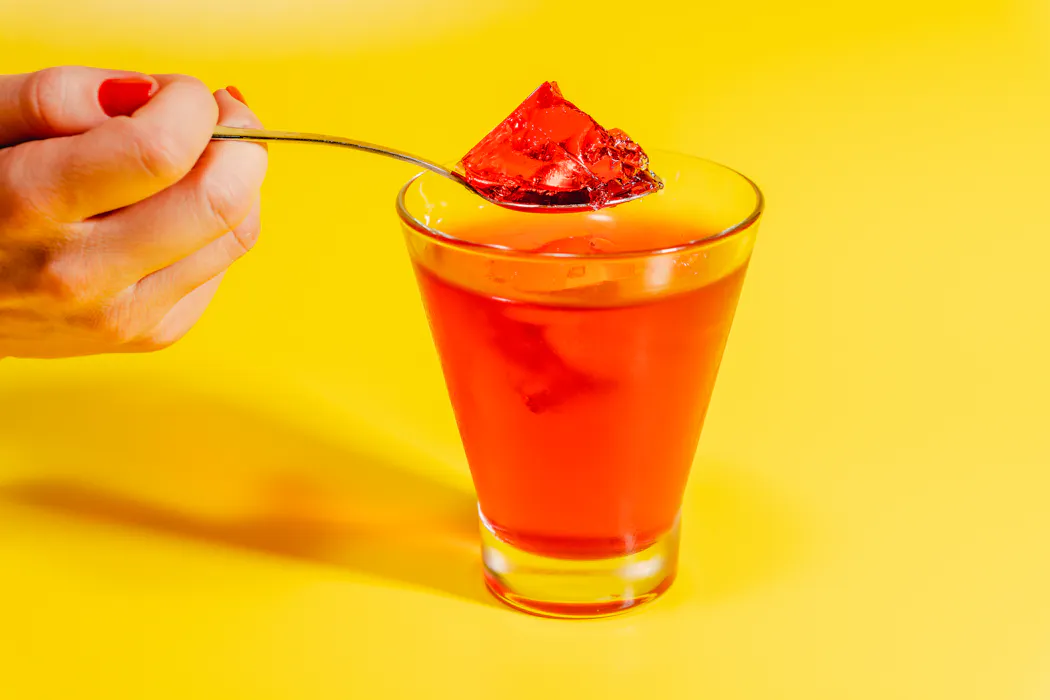
巴黎·希尔顿的母亲凯西近日尝试了一种由人工智能生成的虚假"果冻减肥法",该减肥法还配有虚假的名人代言。1被冒用的名人包括奥普拉·温弗瑞、奥兹医生、米歇尔·奥巴马和凯利·克拉克森等,这些代言同样系AI生成。1这一事件凸显了网络健康信息虚假宣传的问题。
研究显示,60岁及以上的成年人比年轻人更容易接触到虚假或不可信的健康内容或网站。1然而,这种差异主要源于不同人群的网络使用习惯差异,而非认知能力的衰退。1研究进一步发现,性别、收入和教育等人口统计特征与分享假新闻的可能性之间没有一致的相关性。1
为应对健康信息的虚假宣传问题,专家建议采取多项措施,包括引入实时可信度指标(如交通灯预警标签)以及在搜索结果中并排展示政府网站证据与在线声称等,同时需要提升全社会的数字素养水平。1
Kathy Hilton, mother of Paris Hilton, recently fell victim to a fraudulent "jelly diet" scheme created entirely by artificial intelligence, complete with fabricated celebrity endorsements 1. The fake diet was promoted with AI-generated testimonials from high-profile figures including Oprah Winfrey, Dr. Oz, Michelle Obama, and Kelly Clarkson 1. This incident underscores a growing problem of health misinformation circulating online that extends beyond celebrity targets to potentially affect broader audiences.
The vulnerability to such deception is not evenly distributed across age groups. Adults aged 60 and older are significantly more likely to encounter false or unreliable health content and websites compared to younger users 1. However, research indicates this disparity stems primarily from differing internet usage patterns rather than declining cognitive abilities, with demographic factors such as gender, income, and education showing no consistent relationship to the likelihood of sharing fake news 1.
Addressing this challenge requires multifaceted approaches. Proposed solutions include implementing real-time credibility indicators such as traffic-light warning labels on search results and social media platforms, as well as side-by-side comparisons of government health websites with online health claims 1. These measures aim to strengthen digital literacy and improve the information verification mechanisms of major platforms to protect users from AI-generated health misinformation.
评论
还没有评论,欢迎留下第一条。