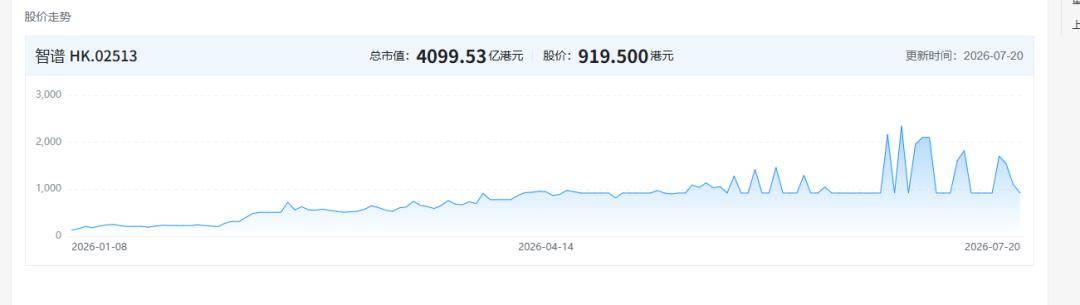
在人工智能快速迭代的背景下,传统的用户留存概念正在发生根本性转变。1AI应用中的"智能"特性迭代速度极快,导致用户呈现出频繁流转的"游牧"特征,这使得依赖月卡、积分等方式锁定用户的传统互联网留存策略失效。1多个AI企业的市场表现验证了这一趋势:Jasper AI在ChatGPT推出后估值从15亿美元大幅缩水,基础模型的代际跃迁摧毁了其竞争护城河;1智谱股价在6月升至万亿港元俱乐部后,随后在7月17日暴跌28.49%,7月20日再跌19.56%。1
AI时代真正的用户留存已演变为基于数据资产和深度工作流耦合的"依赖"机制。1Notion AI通过嵌入用户知识数据库形成深度黏性,而非单纯比拼智能能力本身。1当豆包、千问下线智能体功能时,用户表现出"不舍"的情感反应,这种羁绊源于情感投射和创作心血的积累。1与此同时,DeepSeek传出IPO计划,月之暗面发布的Kimi K3编程能力获得全球第一评价并选择开源。1
The concept of user retention is undergoing fundamental transformation in the age of artificial intelligence, as product managers grapple with shifting dynamics that challenge traditional engagement strategies 1. Unlike the conventional internet era, where monthly subscriptions, point systems, and habit-forming features locked users into platforms, AI applications face a different retention landscape driven by the rapid evolution of underlying models 1.
The instability of AI-powered products has become evident through several high-profile cases. Jasper AI's valuation plummeted from $1.5 billion following ChatGPT's launch, as generational leaps in foundational models eroded its competitive moat 1. Similarly, Zhipu's stock surged to join the trillion-dollar Hong Kong club in June, only to plunge 28.49% on July 17th and drop another 19.56% on July 20th 1. Meanwhile, DeepSeek disclosed IPO plans, and Moonshot released Kimi K3 with claimed top-global programming capabilities while open-sourcing the model 1.
In this volatile environment, product managers have shifted their focus from traditional habit-based retention to dependency-based retention anchored in data assets and deep workflow integration 1. Notion AI exemplifies this approach by embedding itself into users' knowledge databases, creating profound operational dependence rather than relying solely on intelligence superiority 1. When platforms like Doubao and Qwen discontinued their agent features, users expressed reluctance—a reaction rooted not in casual habit but in emotional attachment and the accumulated creative effort invested in these tools 1. This evolution suggests that true retention in the AI era now transcends conventional engagement tactics, manifesting instead as irreplaceable integration into users' core workflows and data ecosystems.
评论
还没有评论,欢迎留下第一条。