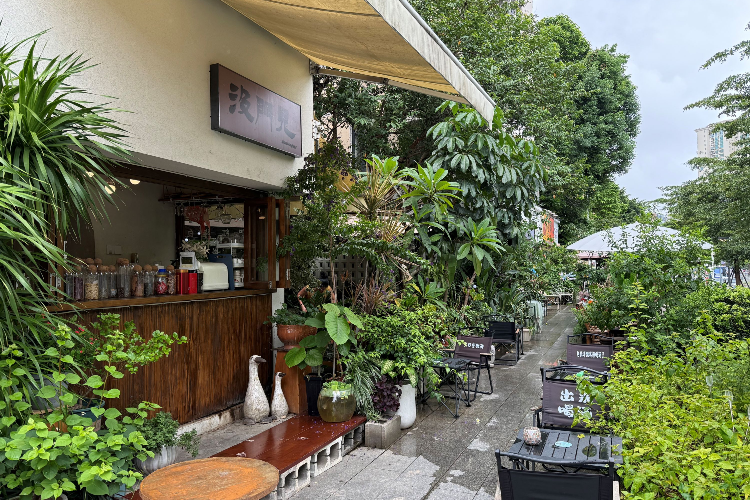
深圳宝安区作为全市青年人口最集中的行政区之一,拥有240万青年群体1。近年来,越来越多年轻创业者在该区老城区开办特色小店,以个人创意和社区融合打造新的生活方式载体,其中包括旧里堂、鹿羽、没門兒等小店。旧里堂等先发小店已在此扎根近8年1。
为支持这一发展趋势,宝安区于2024年启动了"青年小店扶持计划",计划滚动培育孵化1000家特色小店1。同时,当地推出"宝安青创贷"融资产品,为青年创业者提供最高50万元的纯信用贷款,最低年利率为2%,最长贷款期限为3年1。这些举措也获得了国家层面的政策认可——国家15部门联合印发的意见明确提出了"鼓励'青春小店'等发展"1。
然而,这类小店的经营也面临现实压力。一位入行12年的咖啡从业者测算,街铺月租加人工水电成本至少达3万元,每月需售出44杯咖啡才能实现保本1。
Baoan District has become a hub for youth-driven specialty shops as young people increasingly seek out independently-operated venues in older urban areas.1 Establishments such as Jiulitang, Luyu, and Meimenr exemplify this trend, blending personal creativity with community integration to create new lifestyle spaces.1
The district is home to 2.4 million young people, making it one of Shenzhen's most youth-concentrated administrative areas.1 Jiulitang, one of the pioneering shops in this movement, has been operating for nearly eight years.1 The economic viability of such ventures remains challenging—according to a coffee industry professional with 12 years of experience, a street-level storefront requires monthly expenses of at least 30,000 yuan when accounting for 10,000 yuan in rent plus labor and utilities, necessitating the sale of at least 44 cups daily to break even.1
To support this emerging ecosystem, Baoan District launched the "Youth Small Business Support Plan" in 2024, targeting the cultivation of 1,000 specialty shops through rolling incubation efforts.1 The initiative is backed by financial support including the "Baoan Youth Entrepreneurship Loan," which offers credit loans up to 500,000 yuan at rates as low as 2 percent annually with repayment periods extending to three years.1 This local effort has gained national recognition, with 15 government departments jointly issuing guidance that explicitly encourages the development of "youth boutique shops," positioning such ventures as a significant component of urban renewal and the emerging "youth economy."1
评论
还没有评论,欢迎留下第一条。