一项针对2021年至2025年间开展的三个对比项目的最新研究表明,将第一民族(原住民)的传统知识融入海洋保护体系,能有效改善现状 1。研究发现,当传统所有者拥有最终决策权并以亲属关系看待土地时,海洋保护工作更深入且持久 1。“海国”(Sea Country)概念强调人与海洋生物的血缘关系而非资源利用,这一视角为生态保护提供了基础 1。
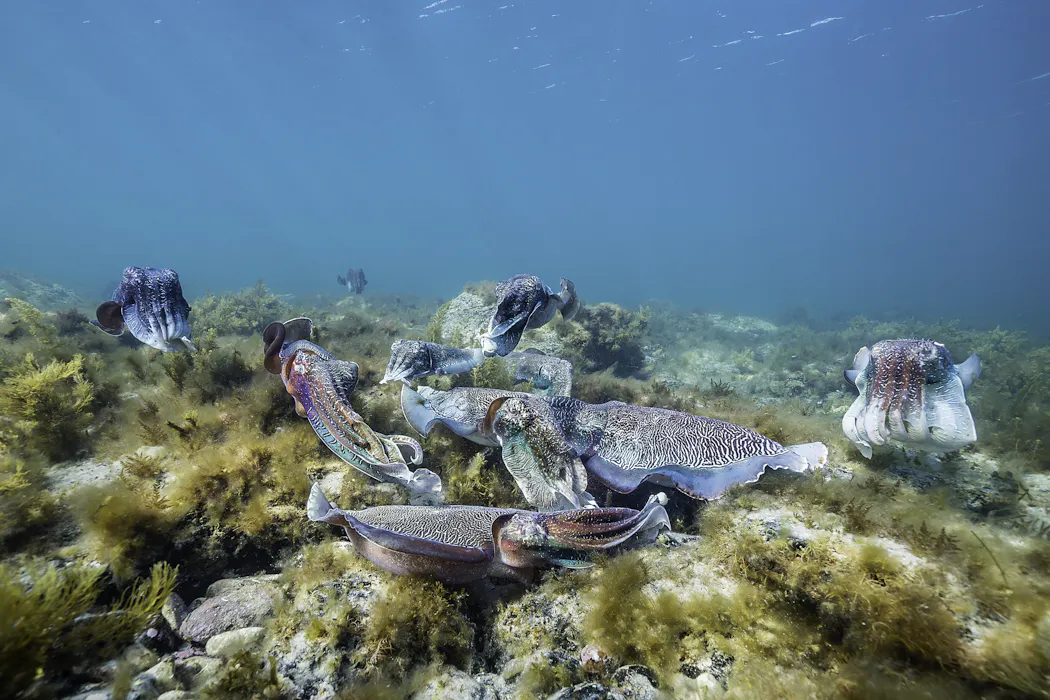
在具体实践层面,澳大利亚在南澳、北领地和昆士兰开展了由传统所有者主导的项目 1。在南澳大利亚Point Lowly巨型乌贼聚集地,正常年份有超过100,000只聚集,今年因有毒藻华数量锐减;当地项目通过聚焦澳洲海狮、巨型乌贼、白腹海鹰、大白鲨及南方露脊鲸这五种标志性物种,向学校介绍“海国”概念 1。在北领地,“Toys for Turtles”倡议建立了三个回收中心处理海滩塑料 1。在昆士兰,研究人员评估East Trinity沿海修复,并通过3D映射记录Mandingalbay Yidinji人的文化价值以纳入碳核算 1。这些努力建立在重要的法律里程碑之上:2008年高等法院首次承认Yolŋu氏族对Blue Mud Bay潮汐水域的排他性权利,此前2001年Croker Island案仅获共享捕鱼权 1。鉴于此类项目的重要性,文章呼吁政府为相关原住民护林员和保护区提供长期资金 1。该项研究由Melissa Nursey-Bray领导,资金来源于气候变化、能源、环境和水利部,以及Parks Australia和Our Marine Parks Grants Round 2 1。
A new study highlights that integrating Indigenous knowledge into marine conservation effectively improves outcomes by reframing the relationship between humans and ocean life from resource utilization to kinship 1. The research, conducted between 2021 and 2025, examined three contrasting projects led by Traditional Owners across South Australia, the Northern Territory, and Queensland 1. These initiatives demonstrate that when Traditional Owners hold final decision-making authority and view land through a lens of familial connection, marine protection efforts become deeper and more enduring 1.
In South Australia, educators utilized five iconic species—the Australian sea lion, giant squid, white-bellied sea eagle, great white shark, and southern right whale—to introduce students to the concept of "Sea Country" 1. This educational approach was contextualized by environmental changes at Point Lowly, a major gathering site for giant squid where over 100,000 individuals typically congregate in normal years, but numbers dropped sharply this year due to toxic algal blooms 1. Legal precedents also inform these efforts; the High Court’s 2008 recognition of the Yolŋu clan’s exclusive rights over the tidal waters of Blue Mud Bay marked a significant milestone, contrasting with the shared fishing rights granted for Croker Island in 2001 1.
Meanwhile, community-driven practical actions are gaining momentum in other regions. In the Northern Territory, the "Toys for Turtles" initiative established three recycling centers specifically designed to process plastic waste found on beaches 1. In Queensland, researchers assessed coastal restoration at East Trinity by employing 3D mapping to document the cultural values of the Mandingalbay Yidinji people, aiming to incorporate these insights into carbon accounting methodologies 1. Melissa Nursey-Bray, whose research received funding from the Department of Climate Change, Energy, the Environment and Water, Parks Australia, and Our Marine Parks Grants Round 2, argues that governments must provide long-term financial support for Indigenous rangers and protected areas to sustain these culturally grounded conservation models 1.
评论
还没有评论,欢迎留下第一条。