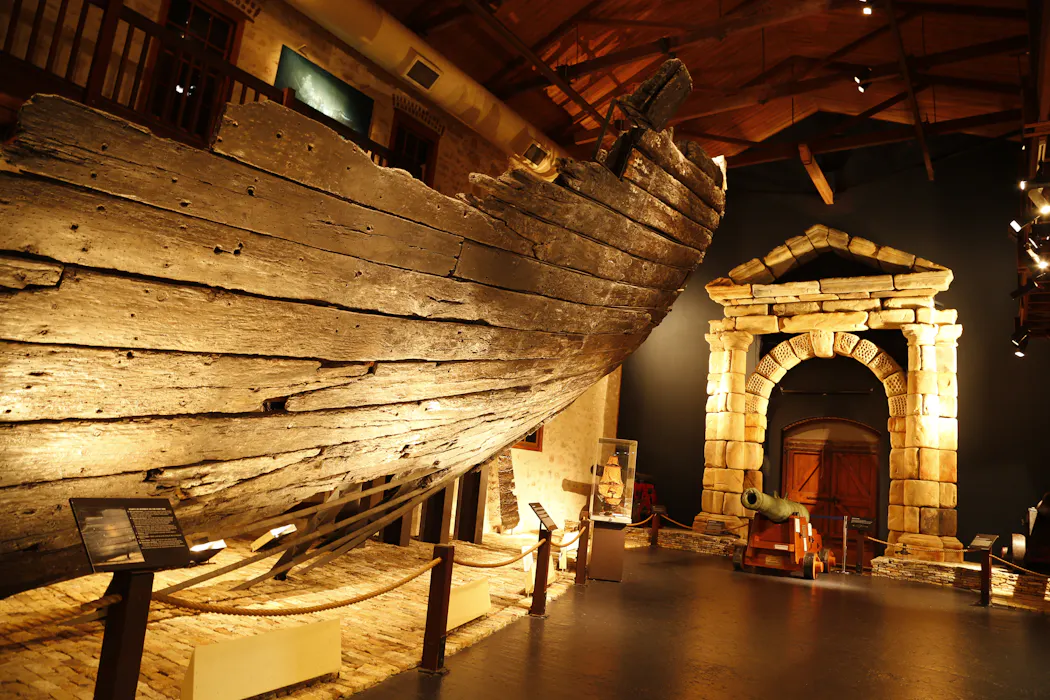
研究人员通过分析1629年沉没的荷兰东印度公司旗舰Batavia号船上砂岩块内部的锆石晶体,成功追溯了这些建筑材料的地理来源。1这项研究发现,外观相近的砂岩块实际上来自德国境内相距约140公里的两个不同采石场——本海姆和奥伯恩基希亨。1这些采石材料通过各自独立的运输网络汇聚到荷兰东印度公司的枢纽,随后被组装成单一货物运往巴达维亚(今雅加达)。1
Batavia号于1629年6月在澳大利亚西部海岸搁浅,船上载有341名乘客和船员,以及用于东印度公司殖民地首都的大型砂岩块。1锆石晶体内包含的铀-铅同位素记录了晶体形成的年代。1本海姆采石场的砂岩含有30亿年前的锆石,源自斯堪的纳维亚古岩,而奥伯恩基希亨采石场的砂岩则富含3亿年前的锆石,来自瓦里斯坎山带。1石块上的数字作为组装标记,是17世纪平铺指导的前身。1这一发现揭示了早期全球资本主义时期复杂的供应链网络结构,研究成果已发表在《考古科学杂志:报告》上。1
Researchers analyzing sandstone blocks recovered from the Dutch East India Company flagship Batavia have uncovered evidence of a complex supply chain spanning multiple European countries during the early modern period 1. By examining zircon crystals embedded in the stone, scientists traced the architectural materials' origins and how they were sourced, assembled, and transported across continents to colonial territories 1.
The Batavia, which ran aground off Western Australia's coast in June 1629, was carrying 341 passengers and crew members along with large sandstone blocks intended for construction at the East India Company's colonial capital 1. Although the sandstone blocks appeared visually similar, zircon analysis—which uses uranium-lead dating to determine when crystals formed—revealed that the stones actually originated from two quarries in Germany separated by approximately 140 kilometers 1. Sandstone from Benheim contained zircon crystals dating to 3 billion years ago, derived from ancient Scandinavian bedrock, while Obernkirchen sandstone was rich in zircon crystals approximately 300 million years old, sourced from the Variscan mountain belt 1. These geologically distinct materials converged at a Dutch assembly hub through separate transport networks before being consolidated into a single shipment bound for Batavia, present-day Jakarta 1.
The stones bore numerical markings that functioned as assembly instructions—an early precursor to modern assembly guidelines 1. This discovery, published in the Journal of Archaeological Science: Reports, illuminates the sophisticated logistical networks that underpinned early capitalism, demonstrating how merchants coordinated the procurement and movement of materials across vast distances to supply expanding colonial enterprises 1.
评论
还没有评论,欢迎留下第一条。