2025年4月,云南西双版纳正式推出十二座古茶山的乡村休闲度假游系列产品及两条核心“珍珠环线”1。这一举措旨在将传统茶叶生产转型为多产融合发展模式,使深山古寨从单纯的茶叶产地转变为吸引大量游客的目的地1。随着现代产业体系的建立和交通改善,村民身份由单纯的生产者转变为集生产、服务于一体的从业者1。
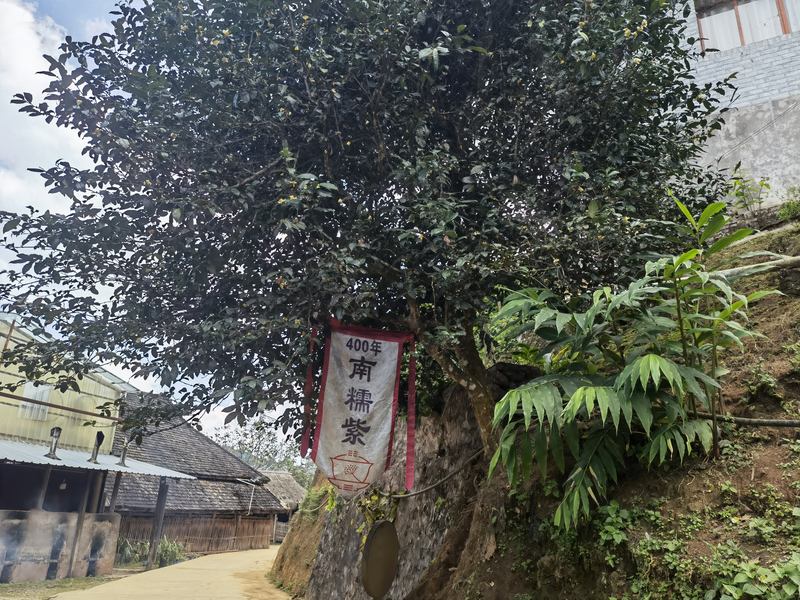
早在2011年,西双版纳便制定实施了《云南省西双版纳傣族自治州古茶树保护条例》,为后续的资源开发奠定了保护基础1。2024年,该州印发《古茶山一二三产融合发展先行区创建方案》,实施12个建设项目1。当地拥有丰富的古茶资源,例如南糯山半坡老寨拥有一株树龄八百年的“茶王树”,巴达山拥有树龄1700多年的野生茶王树1。
数据显示,上一年度西双版纳全州茶产业综合产值达516亿元1。这一产业显著带动了当地43万茶农的收入增长和生活变迁,茶农人均收入达1.78万元1。
In April 2025, the government of Xishuangbanna Prefecture in Yunnan Province officially launched a new rural leisure and vacation tourism product line centered on its twelve ancient tea mountains 1. This initiative introduced two core "Pearl Loop" routes designed to transform traditional tea production into an integrated model combining primary, secondary, and tertiary industries 1. Improved transportation infrastructure and the establishment of modern industrial systems have driven this shift, leading villagers in remote mountain communities to evolve from pure producers into practitioners who combine cultivation with service provision 1.
The prefecture has been laying the groundwork for this transition since enacting the Regulations on the Protection of Ancient Tea Trees in Xishuangbanna Dai Autonomous Prefecture, Yunnan Province as early as 2011 1. In 2024, the local government issued the Plan for Creating a Pilot Zone for Integrated Development of Primary, Secondary, and Tertiary Industries on Ancient Tea Mountains, which included twelve specific construction projects 1.
The economic impact of this structural transformation is substantial. Last year, the comprehensive output value of Xishuangbanna’s tea industry reached 51.6 billion yuan 1. This growth directly benefited 430,000 local tea farmers, raising their per capita income to 17,800 yuan 1. Beyond the statistical gains, the region’s unique cultural and ecological assets remain central to its appeal. Notable landmarks include the eight-hundred-year-old "Tea King Tree" located in Banpolao Village on Nannuo Mountain 1, as well as the wild tea king tree on Bada Mountain, which boasts an age of more than 1,700 years 1. These historic trees symbolize the deep roots of the region’s tea culture, even as the industry moves toward broader integration and public engagement through new tourism formats 1.
评论
还没有评论,欢迎留下第一条。