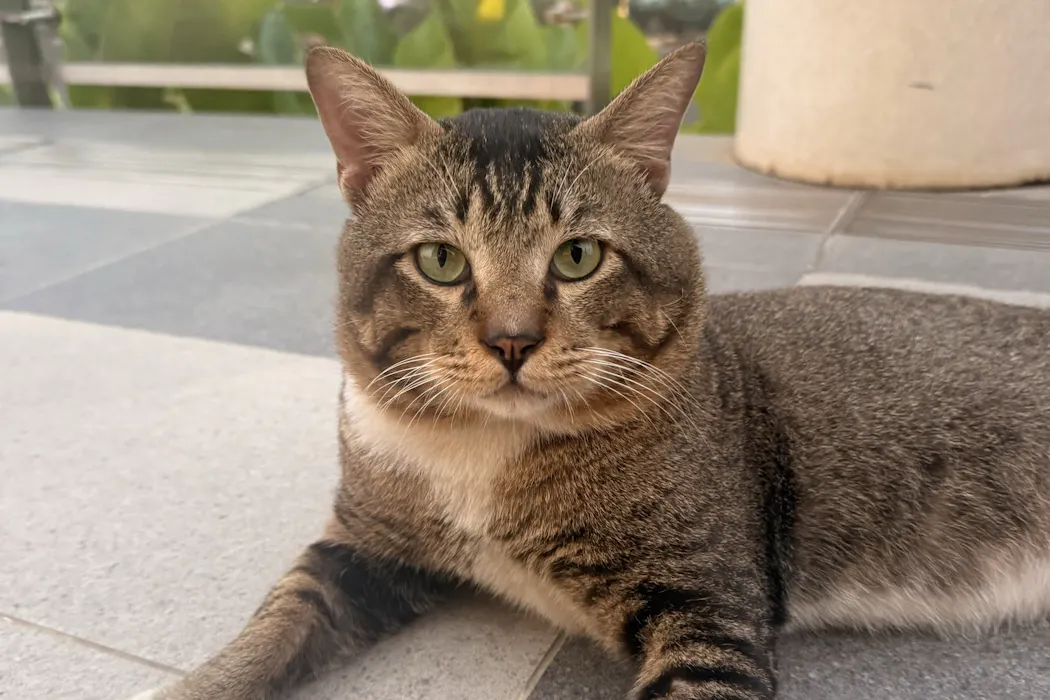
在经历副总统辞职及学生抗议等负面舆情后,印尼雅加达省政府迅速介入并成功调解了一起关于商场明星猫被带走的纠纷,将其转化为低成本的正面宣传契机 1。11月18日,名为Parhan的猫咪被正式送回Senayan City购物中心,这一结果被视为当局应对公众压力的直接回应 1。雅加达社会传播顾问指出,政府的干预行动是为了响应社交媒体上强烈的舆论呼声,而雅加达州长Pramono Anung则借此机会强调政府对动物、特别是猫狗的特殊关注 1。
这一看似琐碎的事件背后,折射出印尼独特的文化背景与数字时代的治理逻辑。作为世界最大的穆斯林占多数国家,印尼社会对猫的喜爱根深蒂固,使得此类话题具有极高的关注度且相对政治不敏感 1。然而,此次事件也反映了民间存在的“No viral, no justice”(不火就不正义)的社会抱怨现象,即公众认为只有当问题在网络爆红后才会得到官方重视 1。印尼政府正利用这类高关注度、低敏感度的社交媒体热点来塑造亲民形象,以缓解公众压力 1。
The Jakarta provincial government successfully mediated the return of Parhan, a celebrity cat associated with Senayan City, to its original location on November 18 1. This intervention was explicitly framed by Jakarta Governor Pramono Anung as evidence of the administration’s special commitment to animal welfare, particularly regarding cats and dogs 1. By resolving this high-profile case, authorities secured a low-cost positive publicity opportunity amidst a backdrop of recent political turbulence, including the vice president’s resignation and student protests 1.
According to Jakarta’s social communication advisor, the government’s involvement was a direct response to intense pressure from social media and public sentiment 1. The episode highlights a growing societal complaint in Indonesia summarized by the phrase “No viral, no justice,” suggesting that official action often hinges on digital visibility rather than procedural standardization 1. Furthermore, the incident leverages deep-seated cultural affection for felines in Indonesia, recognized as the world’s largest Muslim-majority nation where cat ownership holds significant cultural resonance 1.
评论
还没有评论,欢迎留下第一条。