国际法院近期裁定缅甸违反联合国《防止及惩治灭绝种族罪公约》,构成对罗兴亚人的种族灭绝,这一判决为当前正在审理的其他种族灭绝案件提供了重要法律参考 1。目前国际法院共有四起涉及《灭绝种族罪公约》的案件,包括乌克兰诉俄罗斯、尼加拉瓜诉德国、刚果民主共和国诉卢旺达以及南非诉以色列 1。种族灭绝的认定需要证明“特殊意图”(dolus specialis),即摧毁特定群体全部或部分的意图,这一标准在南非起诉以色列在加沙实施种族灭绝的案件中具有潜在的适用价值 1。
在缅甸案中,仇恨言论和针对平民(包括儿童)的暴力模式被认定为种族灭绝意图的证据 1。具体而言,国际法院认定杀害多达2,000名五岁以下儿童是判定种族灭绝意图的重要指标 1。相比之下,加沙卫生部数据显示,以色列已杀害近22,000名18岁以下儿童 1。文章认为,南非在起诉以色列时可能会引用缅甸判决中的逻辑,利用这种暴力规模和针对性的对比,来区分合法的反恐行动与种族灭绝行为,从而强化对以色列军事行动合法性的质疑并支持其诉讼主张 1。
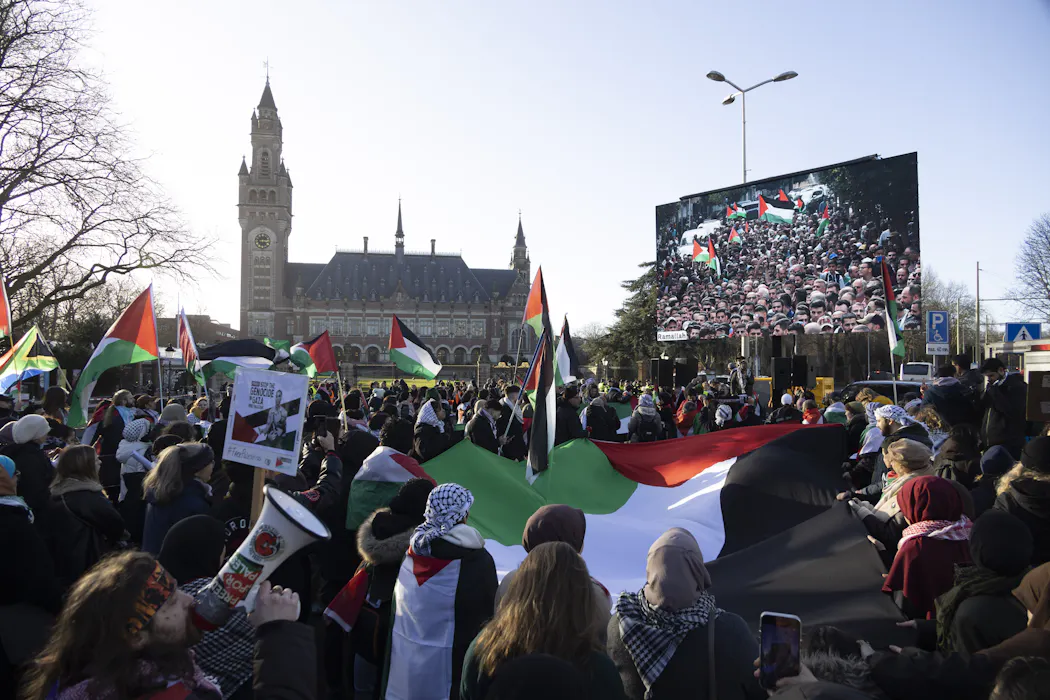
The International Court of Justice (ICJ) has ruled that Myanmar violated the United Nations Convention on the Prevention and Punishment of the Crime of Genocide by committing genocide against the Rohingya people 1. This landmark decision serves as a significant legal reference for other ongoing cases involving the Genocide Convention, including the proceedings brought by South Africa against Israel regarding actions in Gaza 1. Currently, four cases under the convention are before the ICJ: Ukraine vs. Russia, Nicaragua vs. Germany, Democratic Republic of Congo vs. Rwanda, and South Africa vs. Israel 1.
A critical element in proving genocide is establishing "special intent" (dolus specialis), defined as the intention to destroy a specific group, in whole or in part 1. In the Myanmar case, the court identified hate speech and patterns of violence targeting civilians, including children, as evidence of this genocidal intent 1. The judgment noted that the killing of up to 2,000 children under the age of five was a key indicator of intent 1. Data from the Gaza Health Ministry indicates that approximately 22,000 children under 18 have been killed by Israeli forces 1. Analysts suggest that the logic applied in the Myanmar ruling, particularly the distinction between legitimate counter-terrorism operations and acts constituting genocide, may strengthen South Africa’s arguments and raise questions about the legality of Israel’s military actions 1.
评论
还没有评论,欢迎留下第一条。