法国作家安德烈·纪德于1925年出版的《伪币制造者》,标志着其创作生涯中首次公开将作品标记为“roman”(小说),此前他多使用“sorties”或“récits”等称谓 1。尽管这部包含43个角色的作品在出版初期曾遭到批评,例如《观察家报》的Gerald Gould在1928年将其斥为“一个失败的实验”,但它如今仍被视为极具影响力的现代文学经典 1。小说的核心情节围绕一群出身名门的青少年伪造货币展开,并影射了纪德的文学对手让·科克托;书中唯一出现的历史人物是象征主义作家阿尔弗雷德·雅里,他在宴会上开枪引发混乱 1。
该作通过多重线索、主观视角及自指性手法挑战了传统的现实主义和象征主义叙事结构 1。纪德在书中实践了“mise en abyme”(镜像嵌入)概念,即小说中的角色爱德华正尝试撰写一部同名小说《伪币制造者》,这种对真实性、身份认同及写作过程的深刻反思使其成为该技法的早期典范 1。这一创新技法产生了深远影响,不仅启发了奥尔德斯·赫胥黎1928年的《点对点的反调》以及伊塔洛·卡尔维诺(1979)和保罗·奥斯特(1985)的作品,还波及希区柯克和费里尼等多位电影导演 1。
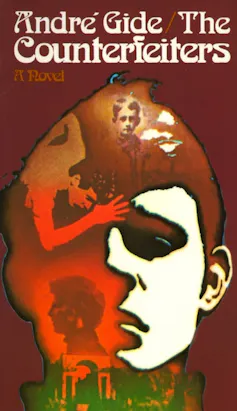
André Gide’s novel The Counterfeiters, published in 1925, stands as a pivotal work that challenged conventional narrative structures and helped define modern literary techniques. It was the first of Gide’s works explicitly labeled a “roman” (novel), marking a departure from his earlier use of terms like “sorties” or “récits” 1. The book defied traditional expectations by employing multiple plotlines, subjective perspectives, and self-referential elements 1. The central plot revolves around a group of teenagers from prominent families involved in counterfeiting currency, a storyline that also serves as an allusion to Gide’s literary rival, Jean Cocteau 1.
Despite its eventual status as a classic, the novel faced initial skepticism; in 1928, Gerald Gould of The Observer dismissed it as “a failed experiment” 1. However, critics and scholars now recognize the book for its profound reflection on authenticity, identity, and the writing process itself 1. One of its most significant innovations is the early exemplary use of “mise en abyme,” a technique where a character within the novel, Edward, attempts to write a book with the same title as Gide’s own 1. This structural complexity features a cast of 43 characters 1. The story includes Alfred Jarry, the symbolist writer who appears as the only historical figure in the narrative, famously firing a gun at a dinner party and causing chaos 1.
The influence of Gide’s experimental approach extends well beyond its immediate reception. The “mise en abyme” technique utilized in The Counterfeiters inspired subsequent major works such as Aldous Huxley’s Point Counter Point (1928), and later influenced writers like Italo Calvino (1979) and Paul Auster (1985), as well as filmmakers including Alfred Hitchcock and Federico Fellini 1. Today, the novel remains highly influential for its enduring examination of how reality is constructed through literature 1.
评论
还没有评论,欢迎留下第一条。