在土耳其安塔利亚举行的第31届联合国气候变化大会(COP31)期间,受地缘政治冲突及全球生活成本危机的影响,气候变化议题在国际议程中的优先级显著下降 1。尽管发展中国家仍视全球变暖为紧迫威胁,但发达国家的民众关注点及政治议程已更多转向通胀与安全领域,导致气候行动面临资金支持不足及高层领导人缺席的困境 1。这一趋势在谈判结果中有所体现:主结果草案文本中所有关于“化石燃料”的提及均已被删除,反映出谈判过程中遭遇的阻力与妥协 1。与此同时,联合国报告确认全球很可能在2030年突破1.5°C升温目标 1。
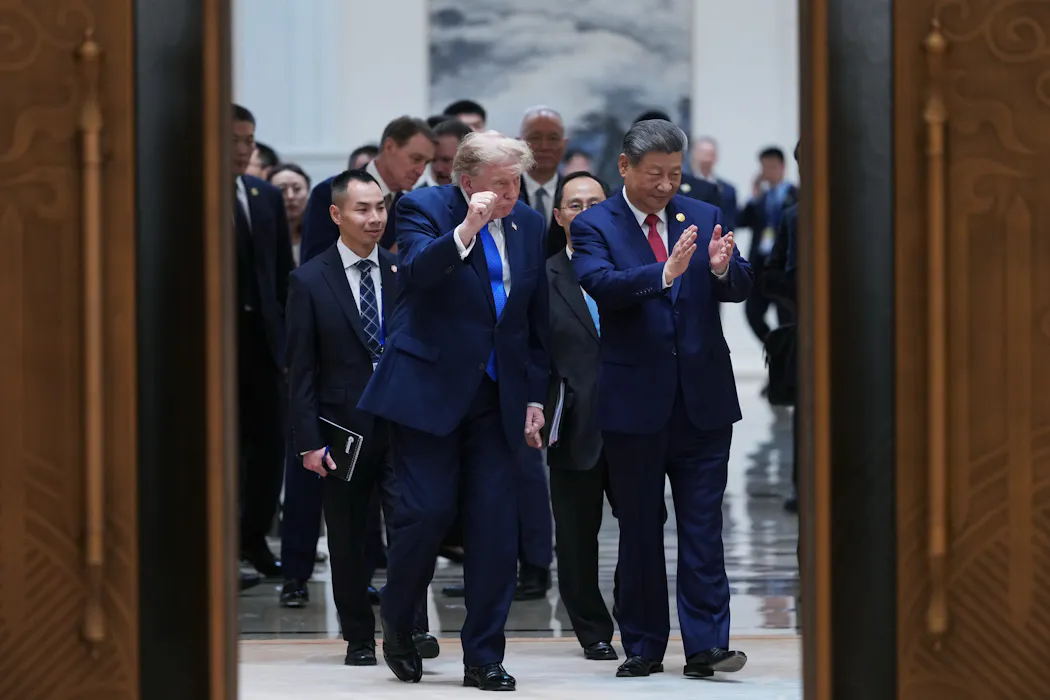
大国政治关注点的转移进一步削弱了此次峰会的影响力。中国、俄罗斯、日本和美国领导人在2026年11月19日深圳举行的APEC峰会上出席,却未参与COP31的关键谈判阶段,而这四个国家合计占全球温室气体排放量的50%以上 1。作为本届COP31的谈判主席国,澳大利亚的安全承诺与其气候资金贡献之间存在巨大反差:其AUKUS安全伙伴关系估计耗资3680亿澳元,远超其对绿色气候基金和损失与损害基金各5000万澳元的承诺 1。此外,美国-伊朗冲突推动了对国家能源安全的讨论及电动汽车普及 1。据估计,本次共有约10万名参与者加入这场边缘化的气候峰会 1。
The ongoing conflict between the United States and Iran has intensified global discussions on national energy security, inadvertently boosting the adoption of electric vehicles. 1 Despite this shift in focus, the broader geopolitical landscape and domestic cost-of-living crises have pushed climate change down the priority list for many developed nations, leading to reduced high-level political engagement and insufficient funding for climate action. 1 This trend was starkly visible at the COP31 summit held in Antalya, Turkey, which attracted an estimated 100,000 participants but lacked presence from key world leaders during critical negotiation phases. 1 Leaders from China, Russia, Japan, and the United States, whose combined emissions account for over 50% of the global total, were present at the APEC summit in Shenzhen on November 19, 2026, yet failed to appear at COP31’s pivotal moments. 1
Australia, serving as the presidency for COP31 negotiations, highlighted a significant disparity between its security commitments and climate contributions. 1 The country’s AUKUS security partnership is estimated to cost AUD 368 billion, dwarfing its pledges to the Green Climate Fund and the Loss and Damage Fund, each receiving only AUD 50 million. 1 These financial choices reflect a broader international hesitation, evident in the draft text of the main outcomes from COP31, where all references to fossil fuels were removed due to resistance and compromise among negotiators. 1 Meanwhile, a United Nations report confirmed that the world is likely to breach the 1.5°C warming threshold by 2030, underscoring the urgency of a topic that remains central to developing nations despite being marginalized in the agendas of wealthier countries. 1
评论
还没有评论,欢迎留下第一条。