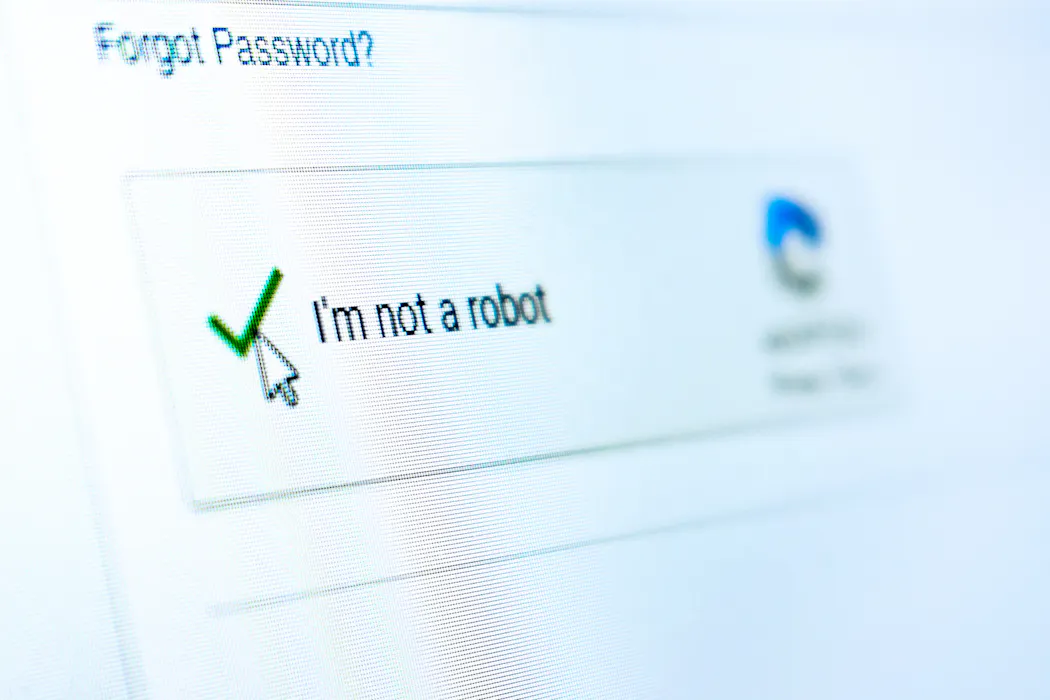
网络犯罪分子利用名为“ClickFix”的诈骗手段,通过伪造验证码(CAPTCHA)界面,诱导用户在不知情的情况下执行恶意命令,从而安装窃取数据的恶意软件 1。该攻击利用了用户对常规安全验证的信任,核心步骤是秘密将命令放入剪贴板,随后诱导用户使用快捷键(如Windows系统的Win+R或macOS的Terminal)打开系统命令行工具并粘贴执行 1。据Thales Bad Bot Report数据显示,2025年机器人流量占全球网络流量的比例超过53% 1。
在澳大利亚国家安全机构发现的案例中,相关活动涉及名为“Vidar Stealer”的恶意软件,该程序用于窃取密码和浏览信息 1。真正的CAPTCHA绝不会要求用户复制粘贴文本或运行计算机命令,这是识别此类诈骗的关键依据 1。如果误操作,用户应立即断开网络连接,更改潜在暴露的密码并检查账户异常 1。
Cybercriminals are deploying a deceptive scheme known as "ClickFix," which manipulates users into installing malware by posing as routine security checks 1. The attack operates by secretly placing malicious commands onto the victim’s clipboard, then tricking them into pasting and executing these commands using system shortcuts such as Windows+R for the Run dialog or opening Terminal on macOS 1. This method exploits the widespread trust users have in standard CAPTCHA interfaces to bypass their natural caution against running unknown code 1.
The scale of automated threats underscores the effectiveness of such social engineering tactics, with bot traffic accounting for over 53% of global web activity in 2025, according to the Thales Bad Bot Report 1. In cases identified within Australia, the specific payload delivered through this scam is "Vidar Stealer," a type of malware designed to harvest passwords and browsing data from infected devices 1. Security analysts emphasize that legitimate CAPTCHAs never require users to copy and paste text or execute computer commands, serving as a key indicator for identifying these fraudulent interactions 1. If a user inadvertently falls for the scam, immediate protective measures include disconnecting from the network, changing any potentially compromised passwords, and monitoring accounts for unusual activity 1.
评论
还没有评论,欢迎留下第一条。