在美国近期举行的中期选举中,加利福尼亚州旨在对州内亿万富翁的财富征收一次性5%税收的第40号提案遭到选民否决1。尽管早期民调显示该提案拥有多数支持,但反对派斥资3.78亿美元开展竞选活动,这一金额远超支持者筹集的3350万美元1。最终,反对派不仅成功击退征税提案,还推动通过了一项禁止对新财富征税的州宪法修正案1。
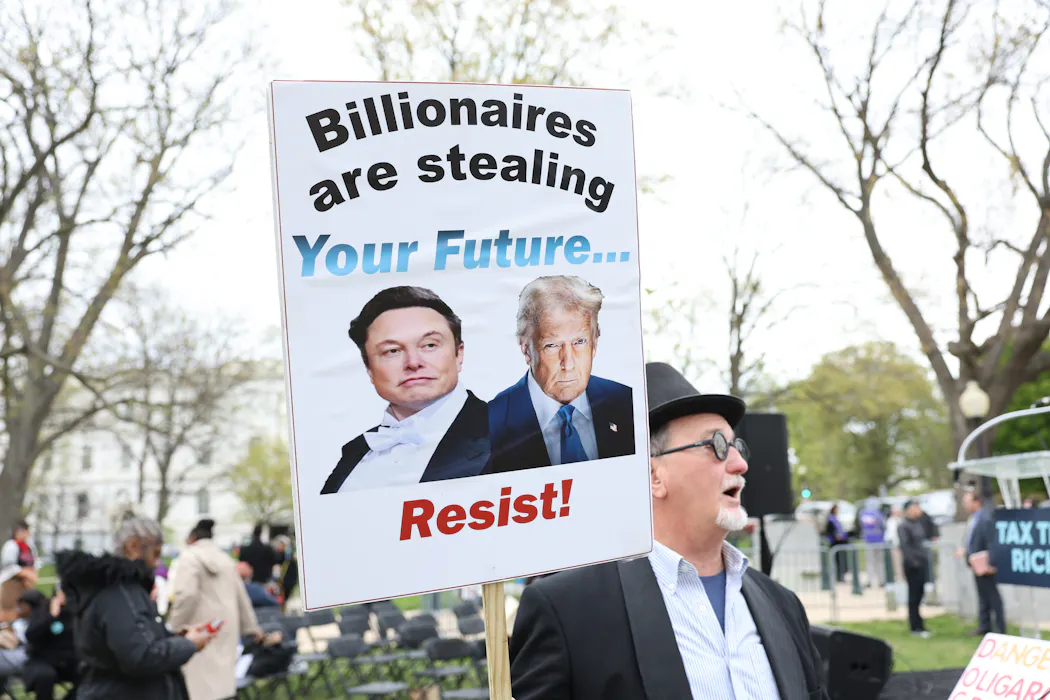
这一选举结果揭示了“美第奇循环”现象,即经济权力转化为政治力量以保护自身利益;即便在民主党取得大胜的背景下,富豪阶层仍能有效左右政策走向1。对此,包括州长加文·纽森在内的温和派民主党人曾反对该财富税,主要担忧是资本外流可能影响未来的捐款和收入1。
作为对比背景,埃隆·马斯克虽花费4.74亿美元支持共和党候选人,但效果有限;而在其他州,增加富人所得税的措施大多取得成功1。自2010年美国最高法院裁决允许企业在政治支出上不受限制以来,公司资金大量涌入政坛1。此外,Palantir联合创始人亚历山大·卡普向亲特朗普委员会捐赠100万美元,并向特朗普舞厅项目捐赠1000万美元,随后自称是终身民主党人1。
California voters rejected Proposition 40, a ballot measure that sought to impose a one-time 5% wealth tax on state billionaires, despite early polls indicating majority support for the initiative 1. The proposal faced an overwhelming financial challenge from opponents, who spent $378 million on their campaign compared to just $33.5 million raised by supporters 1. This disparity not only secured the defeat of the tax but also led to the passage of a constitutional amendment prohibiting future new wealth taxes in the state 1.
The outcome illustrates what analysts describe as the "Medici cycle," where economic power is converted into political influence to protect self-interests, even amid broader Democratic victories 1. While billionaire Elon Musk invested $474 million supporting Republican candidates with limited effect, efforts to raise income taxes on the wealthy succeeded in other states, suggesting California’s specific dynamics were shaped heavily by local elite resistance 1. Moderate Democrats, including Governor Gavin Newsom, opposed the measure due to fears that capital flight could diminish future donations and state revenue 1. Furthermore, the 2010 Supreme Court ruling allowing unlimited corporate political spending has facilitated such outcomes, exemplified by Palantir co-founder Alexander Karp donating $1 million to pro-Trump committees and $10 million to a Trump ballroom project while claiming lifelong Democratic affiliation 1.
评论
还没有评论,欢迎留下第一条。