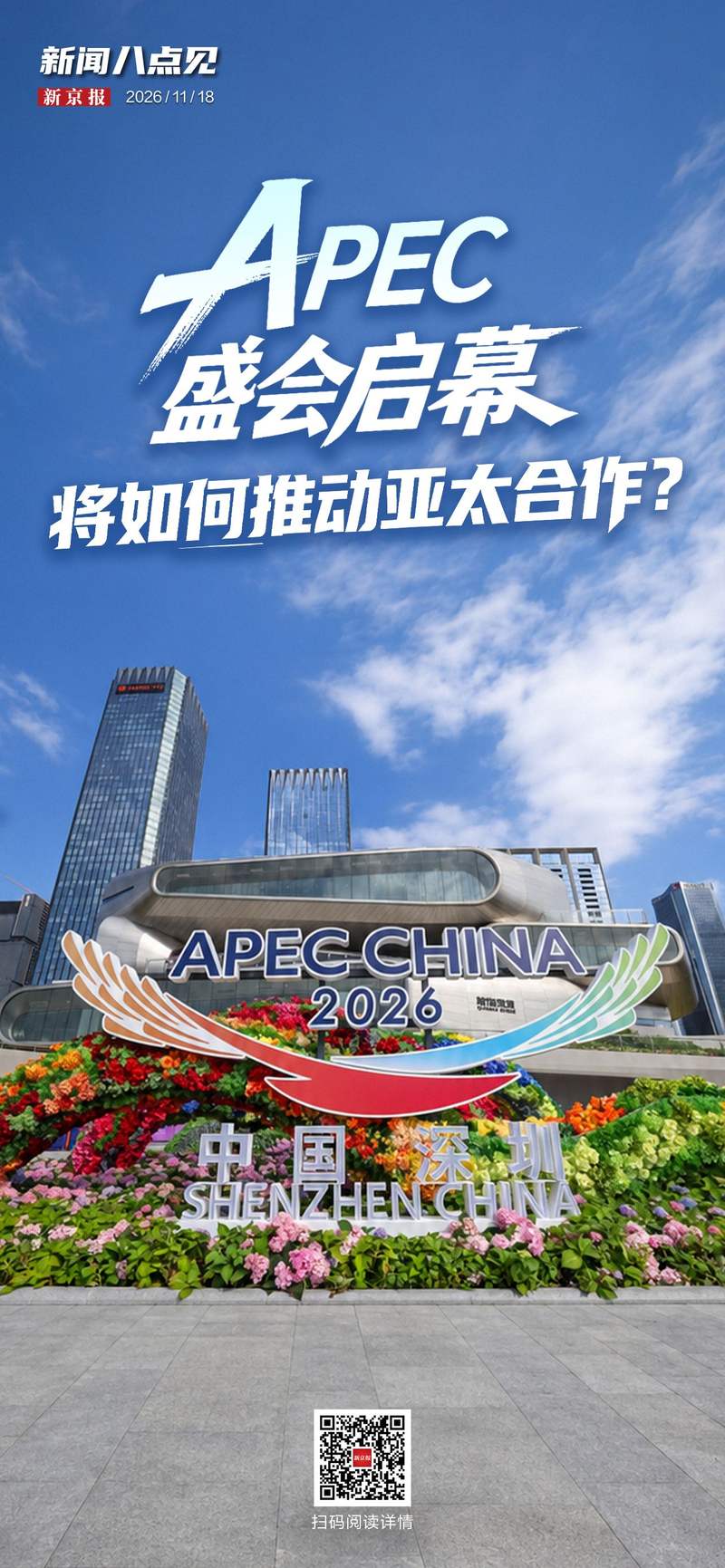
亚太经合组织(APEC)第三十三次领导人非正式会议于11月18日至19日在深圳举行 1。今年是中国第三次担任APEC“东道主”,已在16个城市举办300多场会议和活动 1。据APEC官方统计,自2010年以来,APEC经济体GDP规模由37.69万亿美元增长至2025年的61.41万亿美元,占全球经济比重由57.76%提升至61.62% 1。
商务部专家张建平接受专访,分析此次会议在推动供应链稳定、数字贸易及制度型开放方面的意义,并指出深圳APEC将成为凝聚共识、明确方向的新里程碑 1。张建平认为,2001年上海APEC重在融入,2014北京APEC重在伙伴关系,深圳APEC重在面对复杂国际环境下的开放、创新、合作与新规则 1。此外,他提到APEC可用好现有70多个双边、多边自贸协定,提高企业利用协议规则的比率 1。
The 33rd APEC Economic Leaders’ Informal Meeting commenced in Shenzhen on November 18 and will continue through November 19. 1 This event marks the third time China has served as the host economy for APEC, having organized over 300 meetings and activities across 16 cities throughout the year. 1
According to official APEC statistics, the collective GDP of member economies grew from $37.69 trillion in 2010 to $61.41 trillion in 2025, while their share of the global economy rose from 57.76% to 61.62%. 1 Zhang Jianping, an expert at the Ministry of Commerce, characterized this summit as a new milestone for consolidating consensus and clarifying directions regarding supply chain stability, digital trade, and institutional opening-up. 1
Zhang noted that China’s three hosting periods have distinct focuses: the 2001 Shanghai summit prioritized integration, the 2014 Beijing meeting emphasized partnerships, and the current Shenzhen summit centers on openness, innovation, cooperation, and new rules amidst a complex international environment. 1 He further suggested that APEC should leverage its existing network of more than 70 bilateral and multilateral free trade agreements to increase the rate at which enterprises utilize these regulatory frameworks. 1
评论
还没有评论,欢迎留下第一条。