美国作家厄普顿·辛克莱的长篇小说《石油》(Oil!)于1926年至1927年间在共产党刊物《每日工人报》(The Daily Worker)上首次连载 1。该作被视为一部深刻的反资本主义史诗,通过描绘加州石油繁荣背景下的家族故事,揭示了石油工业与政治腐败、劳工剥削及社会不平等的紧密联系 1。其创作灵感源于1921年辛克莱在加州长滩目睹壳牌石油公司钻出35米高的油喷 1。
辛克莱出生于1878年,其代表作《丛林》(The Jungle, 1906)曾促使西奥多·罗斯福总统支持通过了1906年的《纯净食品和药品法》和《肉类检验法》 1。1934年,辛克莱以社会主义纲领竞选加利福尼亚州州长,尽管遭到好莱坞媒体攻击而失败,但被历史学家认为是“媒体政治”的开端 1。
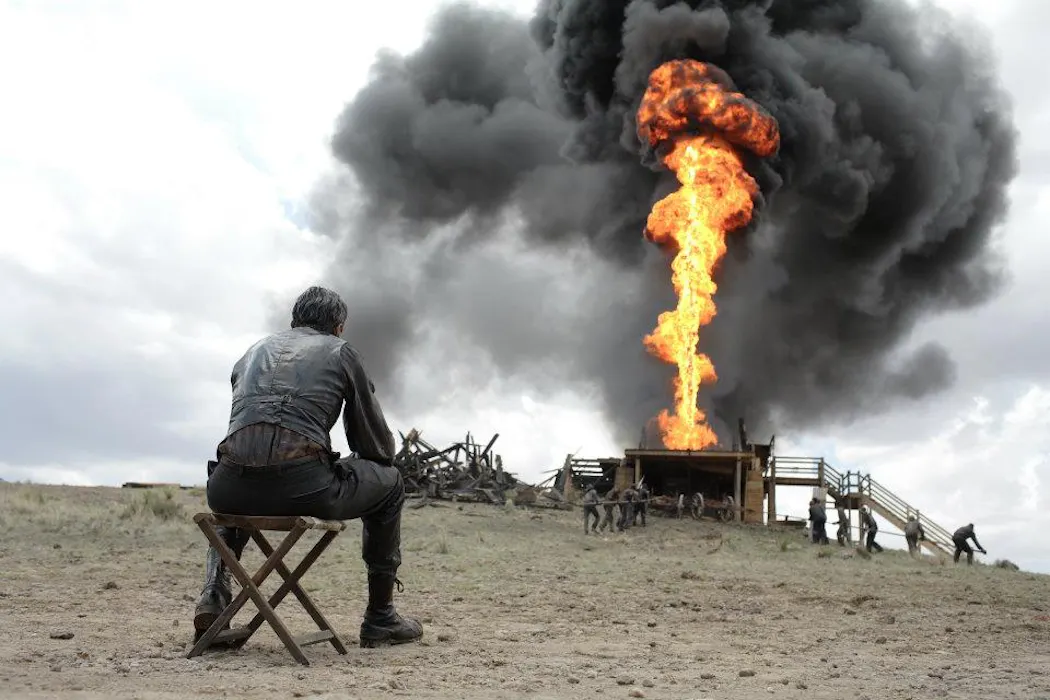
保罗·托马斯·安德森2007年的电影《血色将至》(There Will Be Blood)是该书的松散改编版 1。文章指出,小说所批判的能源消耗问题在当下依然严峻,数据显示全球每24小时燃烧约1亿桶石油,每年排放420亿吨二氧化碳 1。
Upton Sinclair’s novel Oil!, published in serial form between 1926 and 1927, stands as a significant American anti-capitalist epic that exposed the deep ties between the oil industry, political corruption, labor exploitation, and social inequality 1. The work was first serialized in The Daily Worker, a communist publication, reflecting Sinclair’s radical political stance during the era of California’s oil boom 1. The narrative centers on family dynamics amidst this industrial expansion, serving as a critique of systemic injustices that remain relevant today 1.
Sinclair drew inspiration for the book after witnessing Shell Oil Company drill a massive gusher—35 meters high—in Long Beach, California, in 1921 1. This experience informed his depiction of the petroleum industry’s power and its environmental and societal costs, a theme underscored by modern statistics noting that approximately 100 million barrels of oil are burned globally every 24 hours, releasing 42 billion tons of carbon dioxide annually 1. The novel later served as the loose basis for Paul Thomas Anderson’s 2007 film There Will Be Blood 1.
Sinclair’s literary career was marked by substantial social impact; his earlier work The Jungle (1906) helped prompt President Theodore Roosevelt to support the passage of the Pure Food and Drug Act and the Meat Inspection Act in 1906 1. Born in 1878, Sinclair continued his activism into the political sphere, running for Governor of California on a socialist platform in 1934 1. Although he lost the election due to aggressive attacks from Hollywood media, historians view this campaign as a pioneering moment in "media politics" 1.
评论
还没有评论,欢迎留下第一条。