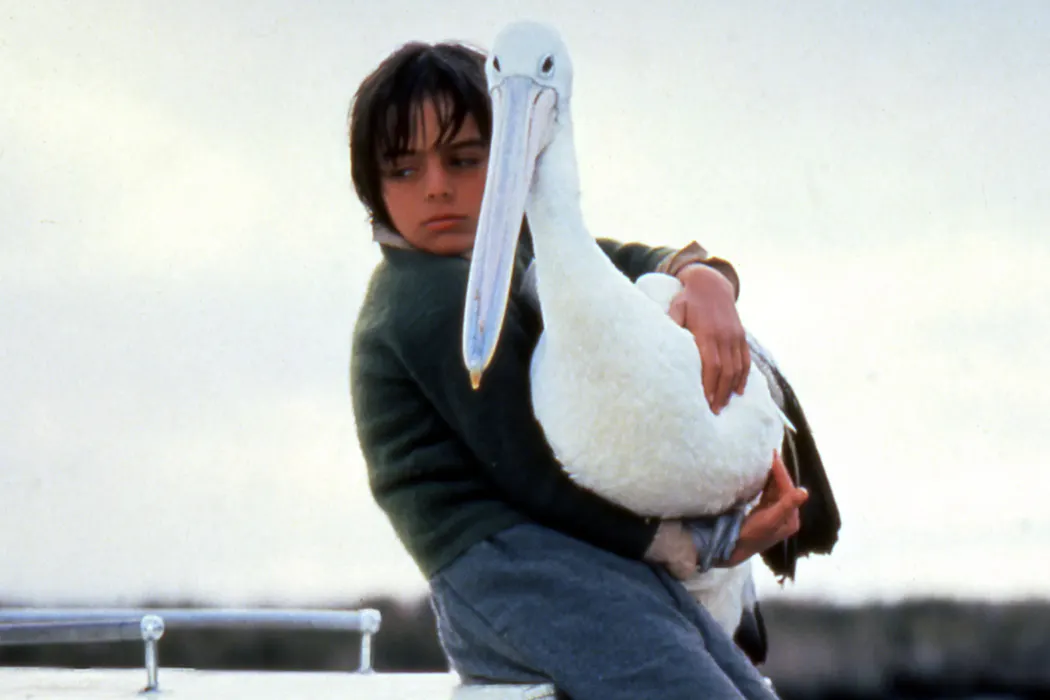
澳大利亚经典电影《风暴男孩》(Storm Boy)于1976年正式上映,其壮丽的南澳大利亚州库朗国家公园(Coorong National Park)海岸风光被视为影片成功的关键要素 1。这部作品不仅是澳大利亚电影复兴时期的代表作之一,更通过独特的地方性景观塑造了国家的电影身份 1。该片由亨利·萨夫兰(Henry Safran)执导,编剧索尼娅·博格(Sonia Borg)将其改编自科林·泰利(Colin Thiele)于1964年出版的同名小说 1。
在商业与艺术成就方面,《风暴男孩》在澳大利亚国内票房超过200万澳元,并销售至全球100多个国家 1。影片荣获1977年AFI(现AACTA)最佳影片奖,确立了其在影史的地位 1。故事围绕男孩迈克(Greg Rowe饰)与鹈鹕及原住民朋友芬格博恩·比尔(大卫·古皮利尔 David Gulpilil饰)之间的羁绊展开 1。大卫·古皮利尔的表演对确立原住民主体性做出了重要贡献 1。该片是成立于1972年的南澳大利亚电影公司(SAFC)制作的第三部电影作品,同期SAFC还推出了《悬崖下的野餐》和《周日太远了》等成功影片 1。
澳大利亚国家电影和声音档案馆(NFSA)已于2015年对该片进行了修复 1。此外,2019年推出的翻拍版由肖恩·西特(Sean Seet)执导,杰弗里·拉什(Geoffrey Rush)参演,并在制作中承认了Ngarrindjeri和Kaurna原住民群体 1。
Fifty years after its initial release in 1976, the Australian film Storm Boy remains a cornerstone of the nation's cinematic revival, celebrated for its profound connection to the landscape of South Australia 1. Directed by Henry Safran and adapted by screenwriter Sonia Borg from Colin Thiele’s 1964 novel, the film tells the story of a boy named Mike, played by Greg Rowe, who forms a bond with an orphaned pelican and his Indigenous friend, Fingerbone Bill, portrayed by David Gulpilil 1. The production was notably supported by the South Australian Film Corporation (SAFC), which had been established in 1972, making Storm Boy only their third feature-length project 1. This early success followed other significant SAFC productions like Picnic at Hanging Rock and Sunday Too Far Away, both released in 1975, helping to solidify the state’s reputation as a hub for distinctive national cinema 1.
The film’s commercial and critical impact was substantial, grossing over A$2 million domestically while being distributed to more than 100 countries worldwide 1. It earned recognition within the industry by winning Best Picture at the 1977 AFI Awards, now known as the AACTA Awards 1. Beyond its box office figures, Storm Boy is credited with establishing Indigenous agency through Gulpilil’s performance, using the local Coorong National Park setting to shape a unique national film identity 1. The movie’s legacy has endured through various cultural milestones, including a digital restoration by the National Film and Sound Archive (NFSA) in 2015 and a 2019 remake directed by Sean Seet starring Geoffrey Rush, which formally acknowledged the Ngarrindjeri and Kaurna Indigenous groups 1.
评论
还没有评论,欢迎留下第一条。