The Conversation Australia指出,同款香水在不同使用者身上呈现出各异的气味,其核心原因在于个体之间独特的“皮肤化学”差异1。这一现象主要由皮肤的水分含量和油性、温度、pH水平以及微生物组共同决定1。人类皮肤通常呈弱酸性,pH值约为4.5至5.5,这种酸碱度基础影响了香氛分子的稳定性与表现1。
皮肤状态直接调控着香水的挥发节奏与留香时间。干性皮肤倾向于吸收较重的香氛分子,而湿润或油性皮肤则能更好地让香氛分子停留并逐渐蒸发1。此外,温暖皮肤会加速蒸发,使香水发展更快;高温可能导致前调迅速消失1。皮肤上的数十亿微生物也在其中扮演关键角色,它们通过代谢香氛分子产生新的气味或增强/抑制某些香调1。
除了先天生理条件,饮食(如辛辣或大蒜)、激素水平和环境温度的变化都会影响同一人在不同日子使用同款香水的体验1。鉴于试香纸无法完全模拟人体复杂的生化反应,作者建议消费者不应仅凭试香纸判断,而应在手腕上试戴数小时以评估真实效果1。对于希望延长留香时间的用户,建议在无香乳液后喷洒香水以延长留香时间1。
The unique scent of a perfume is significantly influenced by an individual’s "skin chemistry," which alters how fragrance molecules interact with and evaporate from the body 1. Key skin factors determining this variation include moisture content, oiliness, temperature, pH levels, and the skin’s microbiome 1. Human skin typically maintains a slightly acidic environment with a pH ranging between 4.5 and 5.5 1.
These biological conditions affect the performance of top, middle, and base notes differently across individuals 1. Dry skin tends to absorb heavier scent molecules, while moist or oily skin allows fragrance molecules to linger and evaporate more gradually 1. Warmth accelerates evaporation, causing the perfume to evolve faster; high temperatures can lead to the rapid disappearance of top notes 1. Additionally, billions of microorganisms on the skin metabolize fragrance components, potentially creating new scents or enhancing and suppressing specific aroma profiles 1.
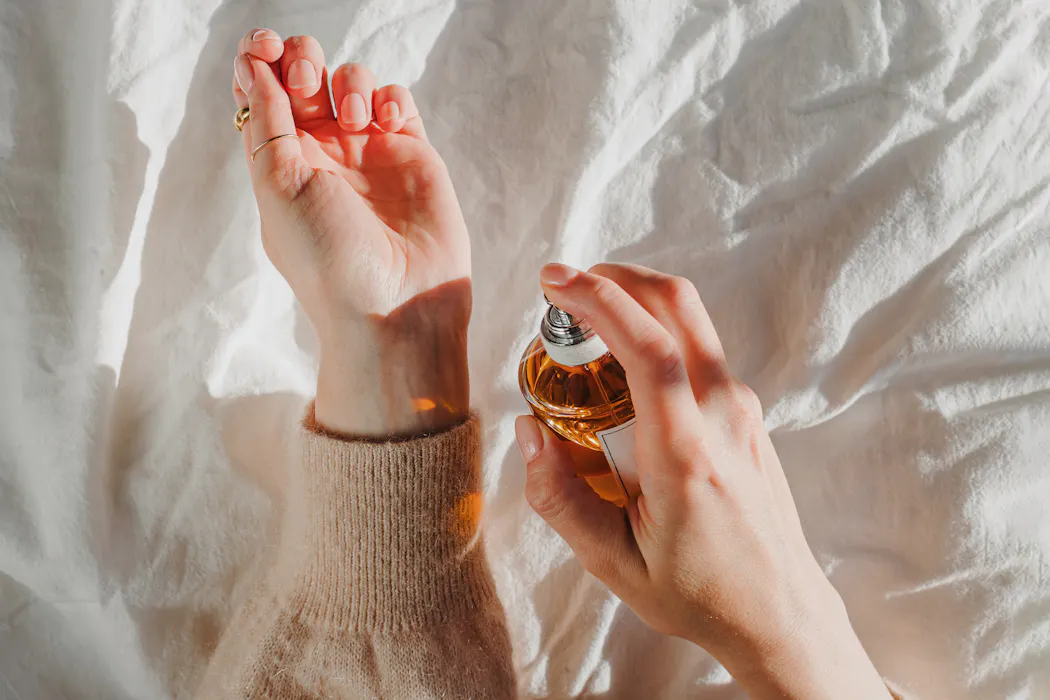
Beyond inherent skin characteristics, external and internal variables such as diet (including spicy foods or garlic), hormonal fluctuations, and ambient temperature can change how the same perfume smells on one person on different days 1. Magdalena Wajrak advises consumers not to rely solely on blotter tests when evaluating fragrances 1. Instead, she recommends testing perfumes on the wrist and wearing them for several hours to assess their true development and longevity 1. To extend wear time, applying an unscented lotion before spraying perfume is suggested 1.
评论
还没有评论,欢迎留下第一条。