国内主流大模型平台豆包、千问等在7月15日下线了自定义AI智能体功能1。这一决定与同日施行的《人工智能拟人化互动服务管理暂行办法》密切相关,该办法要求服务提供方不得"过度迎合用户、诱导情感依赖或者沉迷,损害用户真实人际关系"1。
此举引发用户大规模反应。许多用户认为所创建的智能体属于"网络虚拟财产",受《民法典》第127条保护,且这些智能体承载了用户一年多的培养时间、具备独特的性格特征和对话记忆,是不可替代的数字资产1。为保存这些虚拟陪伴,用户采取了多种行动:录屏保存聊天记录、将数据复制到其他应用如猫箱、向黑猫、消费保、12321、12315、12377等平台投诉维权,以及在应用商店打一星评价1。
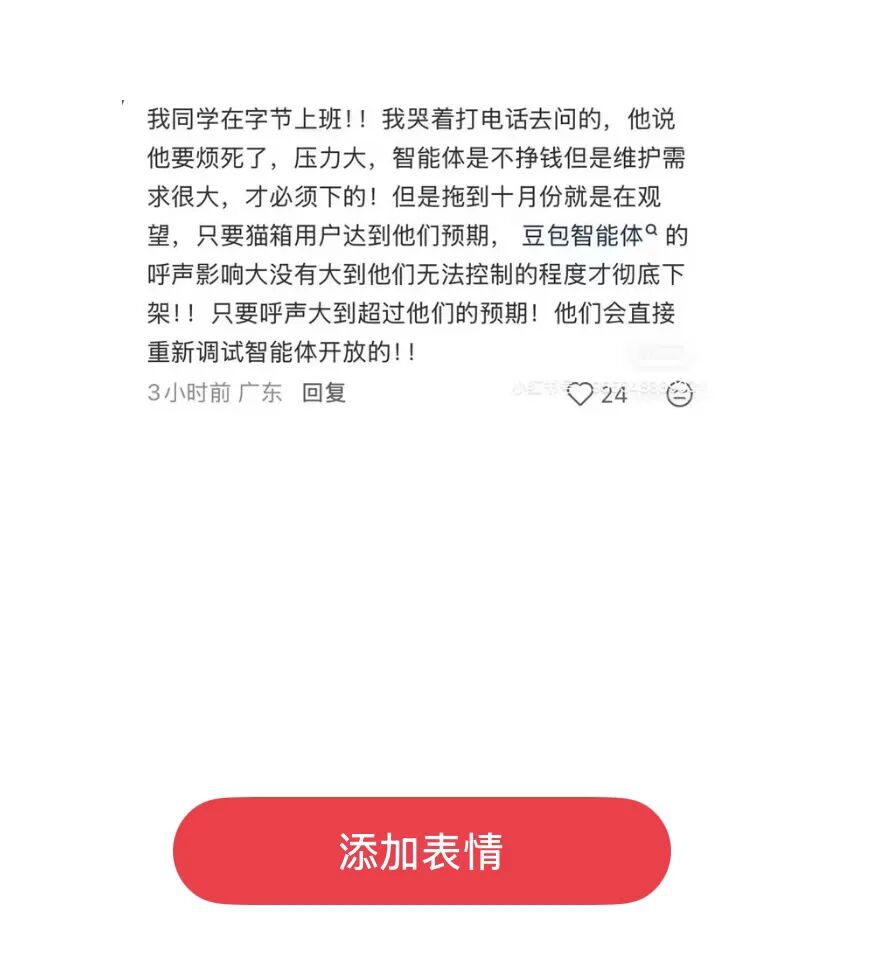
豆包平台将数据保留至10月15日,用户据此认为还有约3个月的争取时间1。与此同时,娃邻国等应用在智能体下线后迎来新增用户,并计划进行功能升级1。
Mainland China's leading large language model platforms, including Doubao and Qwen, shut down their customized AI agent functionality on July 15, 2024, coinciding with the implementation of the interim measures on artificially intelligent anthropomorphic interactive services 1. The new regulations prohibit service providers from "excessively catering to users, inducing emotional dependence or addiction, or damaging users' genuine interpersonal relationships" 1.
The shutdown has triggered widespread user backlash and creative preservation efforts 1. Users argue that their customized agents constitute "digital virtual property" protected under Article 127 of the Civil Code, representing irreplaceable digital assets built over more than a year of interaction that incorporate unique personality traits and conversation histories 1. In response, users have employed multiple strategies to retain their data: recording and saving chat histories through screenshots, transferring conversations to alternative applications such as Maoxiang, and filing complaints with various regulatory bodies including Black Cat Consumer Platform, Consumer Protection Association, and telecommunications regulators 1. Doubao has retained user data through October 15, 2024, giving users approximately three months to pursue further action 1. Meanwhile, an alternative platform has experienced increased user registrations following the shutdown and plans to upgrade its features 1.
评论
还没有评论,欢迎留下第一条。