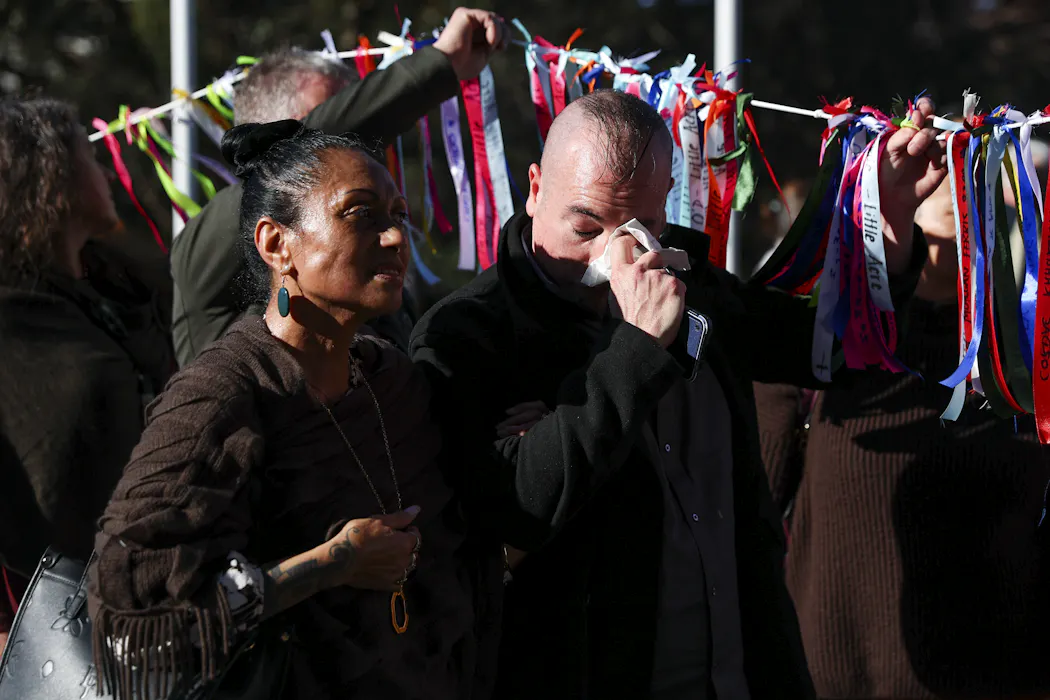
2024年7月24日标志着新西兰政府就机构照护虐待问题向幸存者正式道歉两周年,尽管在信息获取和赔偿申请流程上有所改善,但幸存者群体仍面临多重系统性障碍 1。皇家调查委员会此前揭露,在1950年至1999年间,约有20万人遭受了系统性的虐待和忽视,该委员会为此提出了超过200项建议,包括在十年内转向社区支持并建立整体赔偿系统 1。然而,作为旗舰建议之一的建立独立赔偿机构并未被政府采纳,导致幸存者目前仍需直接向实施虐待的机构申请赔偿 1。
在具体的赔偿落实层面,平均赔偿金额已从约19,000新西兰元上升至30,000新西兰元,但这与澳大利亚(约109,000新西兰元)和苏格兰(134,000新西兰元)的方案相比依然处于低位 1。截至2026年6月,索赔案件积压数量高达6,654起,部分幸存者不得不等待长达五年才能获得裁决,而相比之下,加拿大类似程序的等待时间平均仅为21个月 1。此外,宗教背景下的虐待幸存者目前仍被排除在国家赔偿体系之外,且数据显示高达80%的现有囚犯曾在国家照护系统中度过时间 1。
It has been two years since the New Zealand government formally apologized to survivors of institutional care abuse 1. This anniversary marks a period during which approximately 200,000 individuals endured systemic abuse and neglect between 1950 and 1999, as revealed by the Royal Commission of Inquiry 1. The Commission issued more than 200 recommendations, including plans to shift support toward community-based services and establish a holistic compensation system within a decade 1. While there have been improvements in accessing information and applying for redress, survivors continue to face significant barriers, including low compensation amounts, long wait times, and the absence of an independent adjudicator 1.
The average compensation payment has risen from approximately NZ$19,000 to NZ$30,000 1. However, this amount remains far below comparable schemes in Australia (approximately NZ$109,000) and Scotland (NZ$134,000) 1. As of June 2026, a backlog of 6,654 claims persists, with some survivors waiting up to five years for resolution; by contrast, similar processes in Canada average just 21 months 1.
Critics note that the government did not adopt the flagship recommendation to create an independent compensation body, forcing survivors to apply directly to the institutions responsible for the abuse 1. Furthermore, survivors abused in religious settings remain excluded from the national redress scheme 1. This exclusion is notable given that up to 80% of current prisoners had previously spent time in state care systems 1.
评论
还没有评论,欢迎留下第一条。