国家发展改革委近日表示,全国幼儿园、小学、初中学龄人口已经达峰 1。针对这一趋势,发改委计划通过统筹调配资源有序推进小班化教学 1。“十四五”时期,幼儿园、小学、初中在校生减少近1700万人 1。与此同时,高中和高等教育学龄人口仍在持续增长 1。
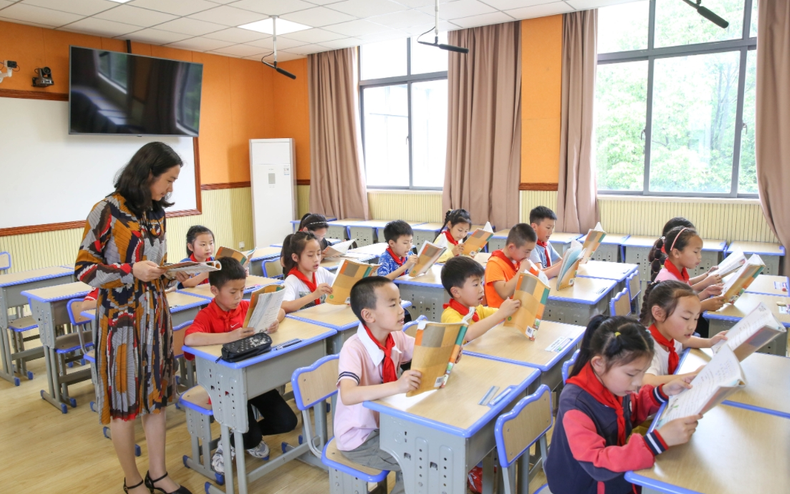
在制度依据方面,《教育强国建设规划纲要(2024—2035年)》明确提出“有序推进小班化教学” 1。按照义务教育优质均衡督导评估办法,小学、初中班级学生数分别不超过45人、50人 1。对于因生源减少而腾出来的校舍,可因地制宜改造为劳动教育、美育等场所 1。新京报社论指出,生源减少为提升教育内涵提供了契机,小班化应促进个性化教学,推动教育质量从“有学上”向“上好学”跨越 1。
The National Development and Reform Commission (NDRC) has announced that the school-age population for kindergartens, primary schools, and junior high schools in China has reached its peak. The NDRC plans to coordinate resource allocation to promote the orderly implementation of small-class teaching 1. While enrollment at these basic education levels is stabilizing or declining, the school-age populations for senior high schools and higher education continue to grow 1.
During the 14th Five-Year Plan period, total enrollment in kindergartens, primary schools, and junior high schools decreased by nearly 17 million students 1. This demographic shift presents an opportunity to enhance educational quality rather than merely ensuring access to schooling. According to the supervision and evaluation measures for high-quality balanced compulsory education, class sizes are capped at 45 students for primary schools and 50 students for junior high schools 1. Furthermore, the Outline of the Plan for Building a Strong Education Nation (2024–2035) explicitly calls for the "orderly advancement of small-class teaching" 1.
A Beijing News editorial notes that the decline in student numbers provides a critical window to improve the substance of education, facilitating a transition from having enough schools to offering high-quality ones 1. Additionally, freed-up school buildings can be adapted locally into spaces for labor education and aesthetic appreciation 1.
评论
还没有评论,欢迎留下第一条。