比特币矿企正通过与AI公司签订长期数据中心租赁合同,实现业务转向。1 2024年4月比特币完成第四次减半,每个区块奖励从6.25枚降至3.125枚,挖矿收益大幅下滑。1 Core Scientific等矿企借助已有的土地、电力和并网资格优势,与Anthropic、CoreWeave等AI公司达成合作。1 到2025年初,Core Scientific的数据中心租赁容量已接近590兆瓦,其中2024年6月与CoreWeave签约约200兆瓦的12年合同。1
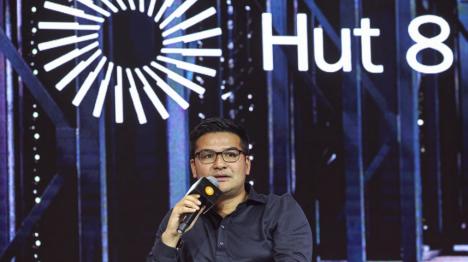
这一转型带来显著收入增长。1 TeraWulf在2026年第一季度的AI数据中心租赁收入达2100万美元,首次超过当季1300万美元的比特币挖矿收入。1 7月6日,TeraWulf与Anthropic签署为期20年的数据中心租约,合同总价值约190亿美元。1 Hut 8同样获得丰厚订单,7月20日签下第二份为期15年的租约,价值98亿美元,两期合同总价值达196亿美元。1 相比之下,Core Scientific 2025年产量从6595枚下降至2276枚,挖矿收入则从4.09亿美元降至2.29亿美元。1
不过,这些合作也面临执行周期的考验。1 TeraWulf预计为Anthropic建设的园区第一批容量到2027年下半年才能投入使用,Hut 8第二份租约机房首批交付时间在2028年。1 此外,CoreWeave曾两次尝试收购Core Scientific,首次报价10亿美元被拒,第二次约90亿美元的全股票收购在2025年10月因股东反对而终止。1
Bitcoin mining enterprises are transforming their business models by leasing infrastructure to artificial intelligence companies, capitalizing on existing advantages in land ownership, electrical capacity, and grid connection credentials.1 Following the cryptocurrency market's challenges, major miners have signed substantial long-term contracts with AI firms, fundamentally reshaping their revenue streams.
TeraWulf and Hut 8 have emerged as leading players in this transition. TeraWulf signed a 20-year data center lease agreement with Anthropic on July 6, valued at approximately $19 billion.1 By the first quarter of 2026, TeraWulf's AI data center rental income reached $21 million, surpassing its Bitcoin mining revenue of $13 million for the same quarter.1 Hut 8 secured two separate 15-year leases in Texas, with the second contract signed on July 20 valued at $9.8 billion, bringing its combined lease value to $19.6 billion.1
Core Scientific has also shifted toward data center operations, with leasing capacity approaching 590 megawatts by early 2025 following a June 2024 agreement with CoreWeave for approximately 200 megawatts over 12 years.1 The strategic pivot reflects deteriorating mining profitability: Core Scientific's 2025 production fell to 2,276 bitcoins from 6,595 in the prior year, while mining revenue declined from $409 million to $229 million.1 The revenue contraction stems partly from Bitcoin's fourth halving in April 2024, which reduced block rewards from 6.25 to 3.125 bitcoins.1
评论
还没有评论,欢迎留下第一条。