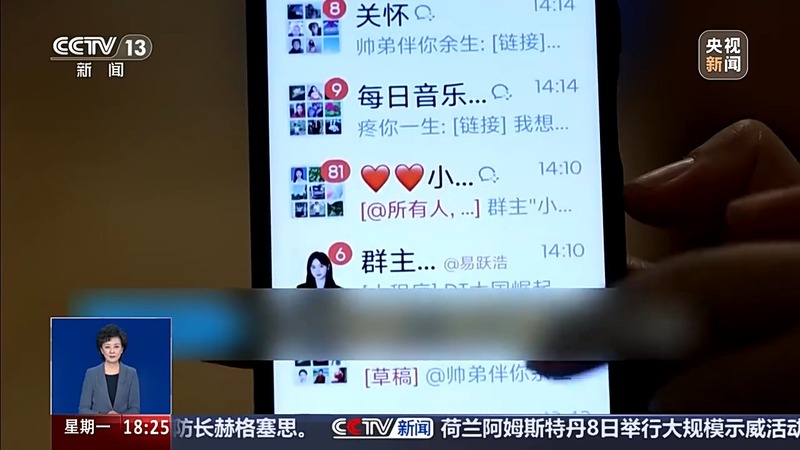
据央视新闻揭露,部分MCN机构正利用AI技术构建针对老年群体的欺诈链条 1。这些机构通过AI生成模仿正规播报场景的“主持人”、“企业家”和“专家”形象,诱导老年人扫码加入私域社群 1。随后,涉事主体搭建私域“直播间”,利用AI与私域工具形成反监管闭环,以规避公域平台的审核机制 1。此类营销套路的认证主体多涉及湖南某大药房等机构,标志着传统骗局升级为低成本、可批量的流水线作业 1。
针对上述乱象,中央网信办于2024年11月6日部署开展“清朗·整治科普健康类网络谣言”专项行动 1。该行动重点打击利用AI批量生成健康科普谣言,以及通过AI换脸换声盗用专家形象进行带货等行为 1。监管层呼吁强化平台标识与监管穿透能力,以切实保护老年消费者权益 1。
A recent investigation by CCTV has exposed a scheme in which Multi-Channel Network (MCN) agencies are leveraging artificial intelligence to defraud elderly consumers through health product scams 1. These operations utilize AI-generated avatars posing as authoritative hosts, entrepreneurs, and experts within simulated broadcast settings to lure older adults into private social media groups 1. The certified business entities associated with these marketing tactics often trace back to specific pharmacy organizations located in Hunan province 1.
The core of the fraud lies in the use of AI tools combined with private domain streaming techniques, creating a closed loop that effectively bypasses the moderation systems of public platforms 1. By moving interactions from monitored public channels to unregulated private "live rooms," these MCN agencies have transformed traditional scams into low-cost, mass-produced industrial chains 1. This systematic approach allows for the rapid dissemination of misleading content while evading standard platform oversight mechanisms 1.
In response to this escalating threat, the Cyberspace Administration of China initiated a special rectification campaign on November 6 titled "Qinglang: Rectifying Online Rumors in Popular Science and Health" 1. The primary focus of this initiative is to target the mass generation of health-related misinformation using AI and the unauthorized use of deepfake technology to impersonate experts for commercial gain 1. Regulators are calling for enhanced identification protocols and improved regulatory penetration capabilities to better protect the rights and safety of elderly consumers online 1.
评论
还没有评论,欢迎留下第一条。