一项最新研究表明,全球范围内针对爬行动物的宠物和皮肤贸易对野生种群构成的实际威胁被高估了。1 尽管每年有大量爬行动物参与国际贸易,但这些交易主要涉及少数适应力强且繁殖率高的物种,且大多数作为宠物出售的爬行动物实为人工繁育而非野外捕捉。1 数据显示,在2000年至2020年间,超过7000万张爬行动物皮来自不到50种物种,而全球已知爬行动物种类超过10000种。1
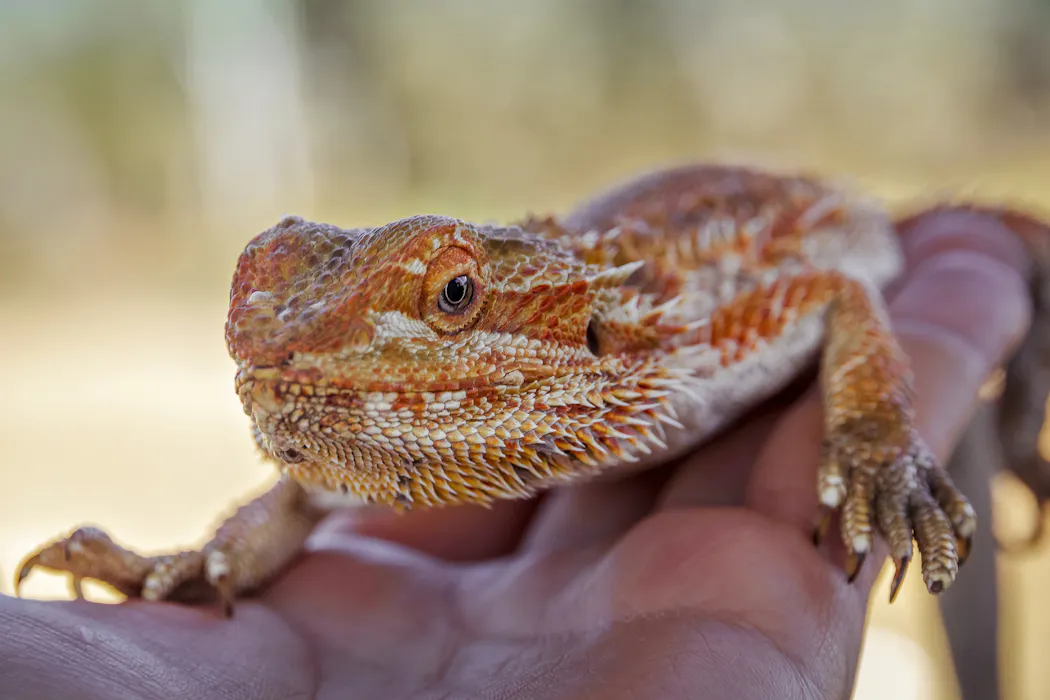
研究人员分析了美国与英国1989至2004年间的贸易数据,涵盖了超过34万只活体爬行动物和两栖动物的交易记录。1 最受欢迎的宠物蛇类包括王蛇(kingsnake)、玉米蛇(cornsnake)和蟒蛇(python),而澳洲鬃狮蜥(Australian bearded dragon)和豹纹守宫(leopard gecko)则是宠物蜥蜴中的热门选择。1 相比之下,人为引起的气候变化、栖息地破坏以及入侵物种等因素才是导致爬行动物种群下降的首要原因,其中气候变化被视为全球野生动物面临的最大威胁。1
值得注意的是,澳大利亚最受威胁的爬行动物和两栖动物自1985年以来平均减少了96%。1 虽然整体贸易影响有限,但对于生长缓慢或分布于小岛屿的物种(如海龟)而言,移除少量成年雌性仍可能对野生种群造成重大影响。1
Recent research indicates that the global pet and skin trades represent a significantly lower threat to wild reptile populations than previously assumed. 1 While over 70 million reptile skins were traded internationally between 2000 and 2020, these transactions involved fewer than 50 species, most of which are resilient and have high reproductive rates. 1 Furthermore, an analysis of more than 340,000 live reptile and amphibian trade records from the United States and Great Britain between 1989 and 2004 revealed that the majority of animals sold as pets were captive-bred rather than captured from the wild. 1
The study identifies human-induced climate change, habitat destruction, and invasive species as the primary drivers of reptile population declines, with climate change cited as the greatest overall threat to global wildlife. 1 In Australia, the most threatened reptiles and amphibians have experienced an average population reduction of 96% since 1985, highlighting the severity of these environmental pressures. 1 Commonly kept pet snakes include kingsnakes, cornsnakes, and pythons, while Australian bearded dragons and leopard geckos remain among the most popular lizard species in captivity. 1
Despite the relatively low impact of general trade, specific vulnerabilities remain for certain groups. For slow-growing species or those confined to small islands, such as sea turtles, the removal of even a small number of adult females can severely damage wild populations. 1 With over 10,000 known reptile species worldwide, conservation efforts must prioritize addressing broader ecological threats rather than focusing exclusively on trade restrictions. 1 The findings were published by researchers including Timothy Colston, Rick Shine, and Daniel Natusch, referencing data relevant to the International Union for the Conservation of Nature (IUCN). 1
评论
还没有评论,欢迎留下第一条。