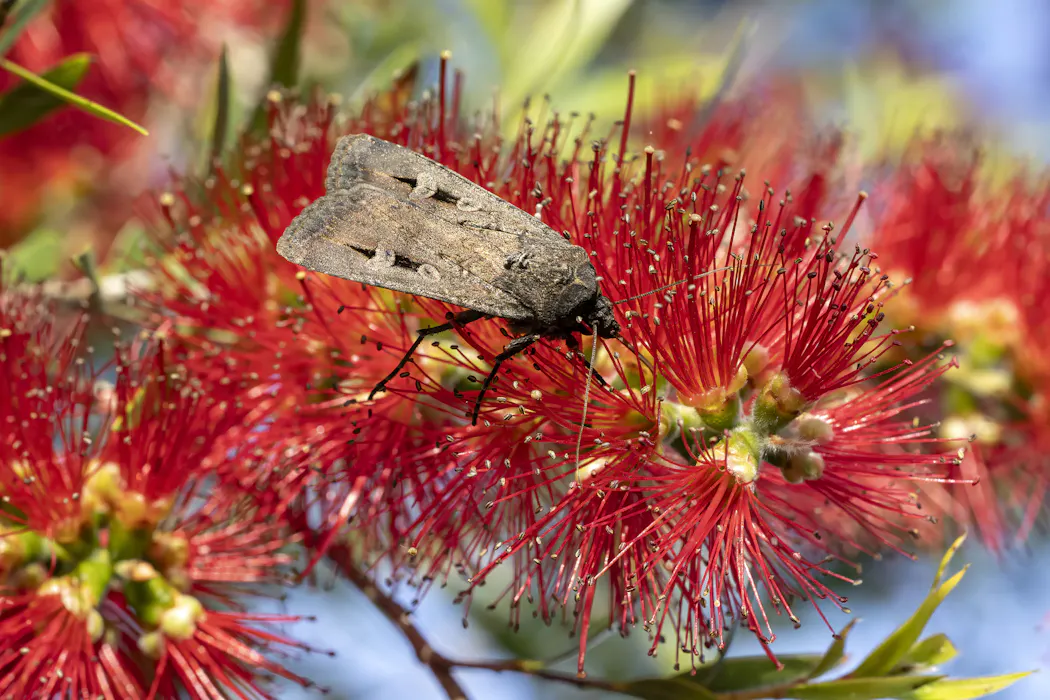
近期,数百万只博格蛾(Agrotis infusa)大规模覆盖澳大利亚悉尼和堪培拉地区,这是自26年前以来该物种再次在此区域大量出现 1。尽管当前数量激增引发公众关注,但博格蛾在国际自然保护联盟(IUCN)红色名录中仍被列为濒危物种 1。这一分类主要依据标准B(Criterion B),即其栖息地的数量和质量受到威胁 1。
导致博格蛾濒危的核心原因在于气候变化使得澳大利亚阿尔卑斯山地区的凉爽岩石场栖息地减少,使博格蛾难以躲避夏季高温 1。历史上,博格蛾曾造成重大事件影响,例如在2000年悉尼奥运会闭幕式期间,大量博格蛾曾入侵体育场 1。目前,科学家正利用公民科学平台收集数据以研究其迁徙模式和种群动态,同时研究人员正在探索使用气象雷达来追踪博格蛾的迁徙模式,旨在更好地保护这一受威胁的物种 1。
Millions of bogong moths (Agrotis infusa) have recently blanketed cities in eastern Australia, marking the first large-scale reappearance of the species in Sydney and Canberra since the 2000 Sydney Olympics closing ceremony 1. This resurgence has drawn significant public and scientific attention, highlighting a paradox: despite their current abundance, these insects remain classified as endangered on the International Union for Conservation of Nature (IUCN) Red List 1.
The endangered status is primarily driven by Criterion B assessments, which focus on threats to habitat quantity and quality 1. Climate change has warmed the alpine rock crevices that serve as the moths' summer refuge, reducing the availability of cool sites necessary for their survival during high temperatures 1. To better understand these dynamics, researchers are investigating the use of meteorological radar to track migration patterns, while also leveraging citizen science platforms to collect data on population trends 1.
评论
还没有评论,欢迎留下第一条。