由山水自然保护中心发起的“北京传粉网络调查”项目近期在亚美尼亚举行的联合国《生物多样性公约》第十七次缔约方大会(COP17)中国角“北京日”活动中向国际社会展示 1。北京大学教授吕植作为推介者介绍了这一公民科学项目的进展与发现 1。该项目自2021年启动以来已持续六年,得到北京市园林绿化局及中国农业大学专家团队等支持 1。截至此次国际亮相,已有超过700人次志愿者参与了约150次调查活动,累计记录数据约1万条 1。
调查揭示,北京城市传粉网络虽较为完善,但现有景观模式存在局限 1。团队负责人谭羚迪指出,单一的大型花海种植对昆虫多样性支持有限,这类园艺景观吸引的昆虫种类较少 1。相比之下,乡土植物和蜜源花灌木更受东方蜜蜂、食蚜蝇等传粉昆虫青睐 1。数据显示,约90%的有花植物依赖传粉动物进行繁殖 1。为此,专家建议在城市规划中以多种植物搭配取代大面积单一花田,并增加乡土植物和立体花灌木的使用,以提升生态价值 1。
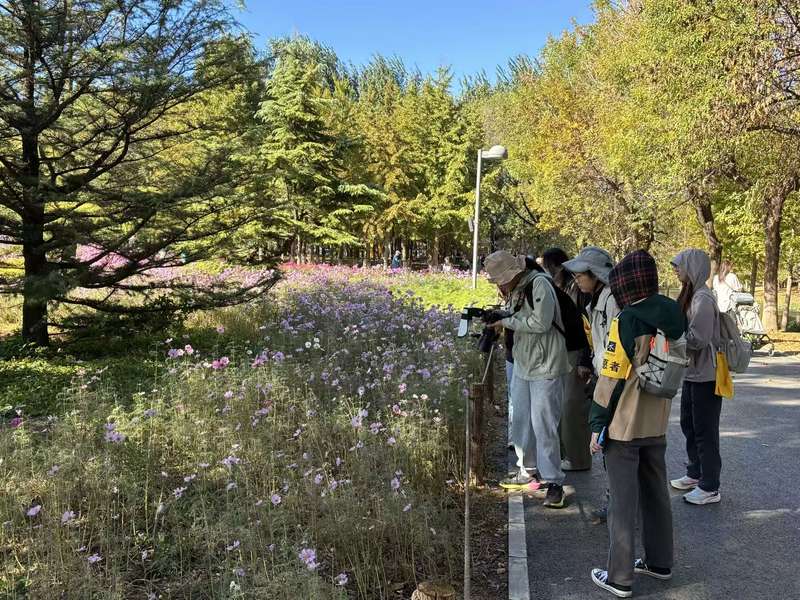
在具体执行层面,项目组采用标准化的野外调查方法以确保数据质量 1。调查通常在每年4月至10月间开展,志愿者需沿预设样线以每小时1至1.5公里的速度匀速前进 1。在此过程中,参与者需观察左右各2.5米以及空中5米范围内的传粉昆虫动态并进行记录 1。
The "Beijing Pollinator Network Survey," a citizen science initiative launched by the Shan Shui Conservation Center, has gained international recognition. 1 The project’s outcomes were recently presented at the 17th Conference of the Parties to the Convention on Biological Diversity (COP17) held in Armenia. 1 During the China Pavilion’s "Beijing Day" event, Professor Lü Zhi from Peking University introduced the findings to an international audience. 1 The survey reveals that while Beijing’s urban pollination network is relatively well-established, current landscaping practices often fail to support diverse insect populations. 1 Key data indicates that approximately 90% of flowering plants rely on animal pollinators, yet large-scale plantings of single-species flower fields attract fewer insect species compared to native plants and nectar-rich shrubs. 1 Specifically, native vegetation and floral shrubs are preferred by key pollinators such as the Eastern honeybee and hoverflies. 1
Since its inception in 2021, the project has spanned six years, engaging over 700 volunteers across roughly 150 field activities and accumulating nearly 10,000 data points regarding pollinator diversity. 1 The initiative is supported by the Beijing Municipal Bureau of Landscape and Forestry and experts from China Agricultural University. 1 The team employs a standardized methodology where observers walk along transects at a pace of 1–1.5 kilometers per hour, monitoring insects within a 2.5-meter horizontal range and up to 5 meters vertically, typically from April through October. 1 Tan Lingdi, the project leader, advocates for shifting urban planning strategies away from monoculture flower fields toward diverse plant combinations featuring more native species to enhance ecological value. 1
评论
还没有评论,欢迎留下第一条。