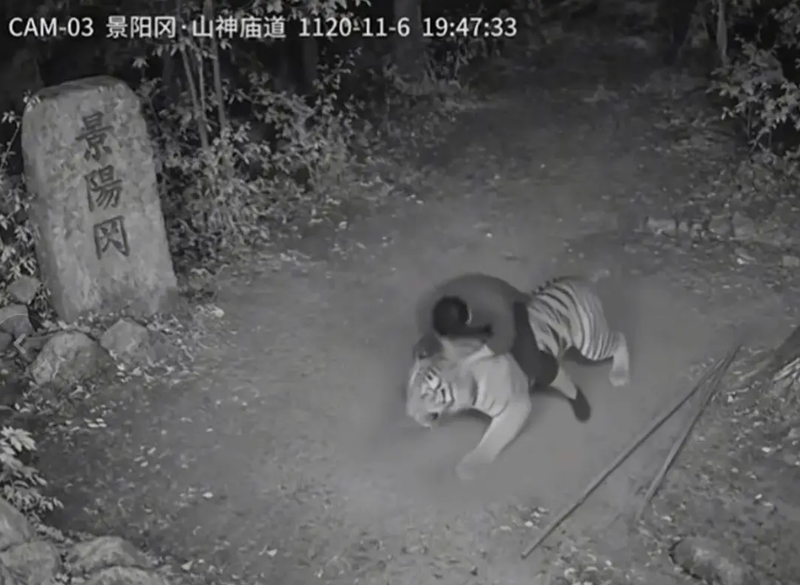
近期,一批由AI生成的“古代监控录像”风格视频在网络走红,引发关于技术伦理与信息真实性的争议 1。这类作品涉及武松打虎、荆轲刺秦王、司马光砸缸、曹冲称象及《甄嬛传》桥段的复刻 1。视频通过添加雪花噪点和古早时间戳等元素模仿监控纪实感,导致受众易误信或混淆视听 1。
虽然这种创作以戏谑形式传播传统文化,但评论指出其潜在风险不容忽视 1。缺乏明确标注的仿真视频模糊了虚拟与现实的边界,可能误导未成年人将虚构内容视为历史真相 1。此外,若脱离玩梗语境,这些素材可能被别有用心者篡改用于制造突发事件谣言,扰乱公共秩序 1。
针对上述问题,文章呼吁创作者添加“AI虚构”提示,平台应完善高仿真生成内容的标识机制,公众需建立甄别习惯,从而在鼓励创意表达的同时守住信息真实底线 1。
A recent trend of AI-generated videos depicting ancient Chinese historical and literary events as if captured by modern surveillance cameras has gone viral in China’s online space, igniting a controversy over technological ethics and information authenticity 1. The content includes recreations of famous scenes such as Wu Song fighting a tiger, Sima Guang smashing a water jar to save a child, Jing Ke attempting to assassinate the King of Qin, Cao Chong weighing an elephant, and iconic moments from the TV drama Legend of Zhen Huan 1. These videos are designed with visual artifacts like snow noise and vintage timestamps to mimic the aesthetic of real security footage, creating a hyper-realistic effect that blurs the line between fiction and reality 1.
Critics argue that this stylistic choice poses significant risks, particularly for younger audiences who may mistake these fabricated scenes for actual historical records 1. Beyond misleading public understanding of history, there is concern that once these realistic simulations are removed from their playful context, they could be maliciously altered to fabricate rumors about current events, thereby disrupting public order 1. To address these issues, commentators urge creators to clearly label such works as "AI-generated fiction" or "for entertainment purposes only," while calling on online platforms to enforce stricter labeling mechanisms for highly realistic synthetic content 1. Ultimately, the discourse emphasizes the need for the public to develop better discernment skills to distinguish between creative expression and factual truth in the digital age 1.
评论
还没有评论,欢迎留下第一条。