随着存储介质老化,大量记录在软盘和CD-ROM上的“原生数字”历史资料正面临永久丢失的风险。一项研究表明,今天只有8%的旧CD-ROM仍可读取1。为了挽救这些濒临消失的个人及小型机构历史记录,研究人员与皇家维多利亚历史学会(Royal Historical Society of Victoria)的成员展开合作,利用复古硬件配合现代工具进行档案恢复工作1。
这一数字保存工作流程主要包含三个核心步骤:首先创建“磁盘镜像”,随后分析其中的内容,最后将数据迁移至新的存储介质中1。由于连接老式驱动器与现代计算机存在技术障碍,该过程需要依赖Greaseweazle和Applesauce等特定控制器来实现数据传输1。Melanie Swalwell从澳大利亚研究委员会(Australian Research Council)获得了资助1。
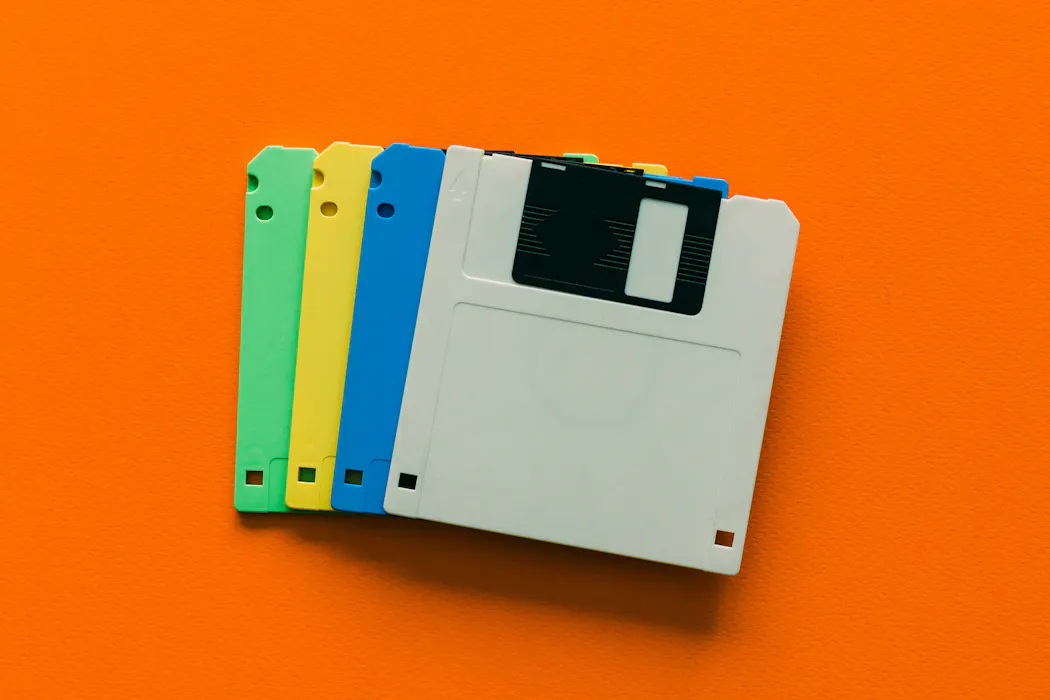
在实际操作中,已有成员成功恢复了关键的历史数据。例如,一位会员带来了六张3.5英寸软盘,其中包含1996年已停用的家谱程序文件1。经过技术处理,这些文件被成功提取并保存,当事人对能够找回遗失多年的家族历史资料感到“非常兴奋”1。
Digital records stored on outdated media such as floppy disks and CD-ROMs face an imminent risk of permanent loss, with recent research indicating that only 8% of old CD-ROMs remain readable today 1. To address this crisis in digital preservation, researchers have partnered with members of the Royal Historical Society of Victoria to recover and safeguard "born-digital" archives using a combination of retro hardware and modern software tools 1.
The recovery process follows a structured workflow consisting of three primary steps: creating disk images, analyzing the content, and migrating the data to new storage formats 1. Connecting legacy drives to contemporary computers requires specific controllers, including Greaseweazle and Applesauce devices 1. This methodology proved successful when a society member brought six 3.5-inch floppy disks containing files from a genealogy program discontinued in 1996; after the data was successfully restored, she expressed being "very excited" 1. The project is supported by funding Melanie Swalwell received from the Australian Research Council 1.
评论
还没有评论,欢迎留下第一条。