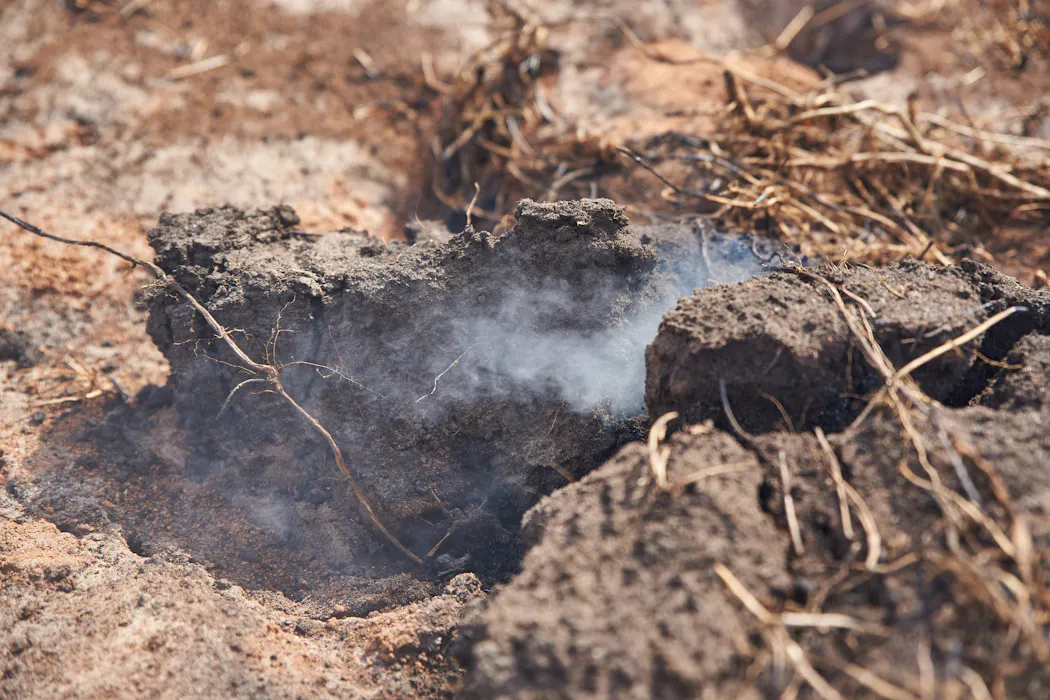
泥炭地是全球重要的碳库,储存了全球土壤中约三分之一的碳1。虽然泥炭地火灾在全球范围内往往造成破坏性后果——印度尼西亚和马来西亚等国的泥炭地火灾会导致地下闷烧持续数月甚至数年1——但澳大利亚却探索出了不同的管理路径。澳大利亚西南部泥炭地曾在2024年经历了持续超过六个月的地下火灾1,然而受控生态火烧却被证明能够帮助保护和维持这些生态系统的健康。
澳大利亚南澳弗勒里厄半岛的湿地通过生态火烧项目取得了显著成效1。这些低温火烧促进了本地物种的生长,使包括尤迪豚鼠花和南部鸸鹋鹪鹩等濒危物种蓬勃发展1。这一做法并非现代创新,而是源于历史实践——第一民族社区在欧洲殖民前就已在弗勒里厄半岛湿地进行文化火烧1。然而,气候变化正在加剧泥炭地的火灾风险,泥炭地从火灾中的恢复可能需要数个世纪1,这意味着未来的生态管理需要更加精心的规划和深入的科学研究,以平衡生态保护与火灾风险管理之间的关系。
Peatlands serve as critical carbon repositories, storing approximately one-third of the carbon found in global soils 1. While peatland fires typically prove devastating in regions such as Indonesia and Malaysia, where underground smoldering can persist for months or even years 1, Australia has developed a different approach to managing these ecosystems.
In southwestern Australia, peatlands experienced underground fires lasting more than six months in 2024 1. Rather than viewing fire solely as a destructive force, land managers and First Nations communities in South Australia have implemented controlled ecological burning programs to protect and sustain peatland health. On the Fleurieu Peninsula, these initiatives have enabled endangered species such as Hibbertia tenuis and the southern emu-wren (Stipiturus malachurus intermedius) to thrive 1. This approach reflects practices that First Nations communities employed before European colonization, using cultural burning to manage the landscape 1. However, recovery from peatland fires can require centuries 1, underscoring the need for careful planning and ongoing research to balance ecological protection with fire management as climate change increases the risk of peatland fires 1.
评论
还没有评论,欢迎留下第一条。