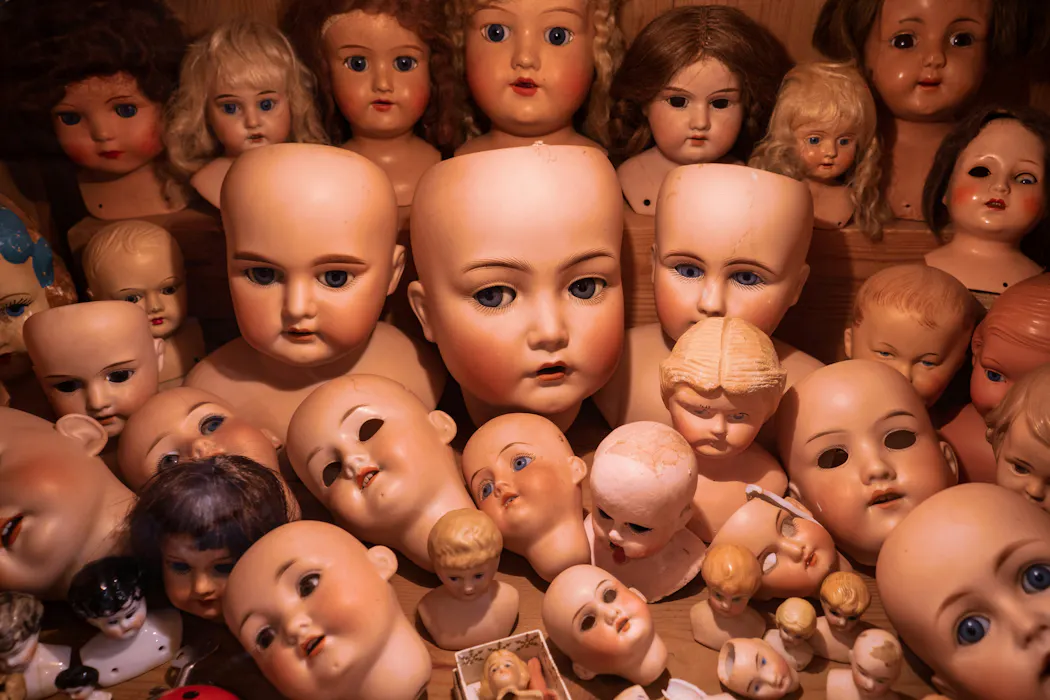
澳大利亚作家约翰·A·斯科特(John A. Scott)推出了最新小说《爱娃娃的男孩》(The Boy Who Loved Dolls),这部作品被评论家罗比·摩尔(Robbie Moore)描述为一部以哥特式叙事为框架、深入探讨身体肢解与“娃娃屋心态”象征意义的超现实故事 1。小说的主角是虚构的法国新浪潮导演让-雅克·巴耶尔(Jean-Jacques Baille),他隐居在澳大利亚墨尔本附近,其前缪斯安娜(Anna)于1984年遭遇绑架,这一事件的动机与结局始终成谜,构成了推动情节发展的核心悬疑 1。
除了犯罪悬疑的外壳,该书还紧密交织着对电影理论、性别暴力以及法西斯主义文化遗留问题的深刻反思 1。故事中,巴耶尔拍摄了其最后一部电影《克里斯托夫,画家》(Christophe, le Peintre),书中通过角色苏珊对该片的中点解读,以及分屏剪辑等视觉意象,进一步丰富了关于观看与被观看的主题讨论 1。值得注意的是,尽管小说致敬了达芙妮·杜穆里埃(Daphne du Maurier)的《蝴蝶梦》(Rebecca)以及阿尔弗雷德·希区柯克(Alfred Hitchcock)的《后窗》(Rear Window)、《迷魂记》(Vertigo)等经典作品,但评论指出文中存在一处明显的学术引用错误,即将劳拉·穆尔维(Laura Mulvey)及其著名论文《视觉快感与叙事电影》(Visual Pleasure and Narrative Cinema)的作者名字误写为“琳达·穆尔维”(Linda Mulvey) 1。
John A. Scott’s latest novel, The Boy Who Loved Dolls, presents a surreal narrative framed by gothic elements that delve into the cultural legacies of cinema, gender, violence, and fascism 1. The story centers on Jean-Jacques Baille, a fictional French New Wave director who has retreated to seclusion near Melbourne, Australia 1.
A pivotal event in the plot involves the 1984 kidnapping of the female protagonist, Anna, whose motive and ultimate fate remain mysterious 1. This tragedy coincides with Baille filming his final movie, titled Christophe, le Peintre 1. The novel utilizes symbolic imagery such as dolls, bodily dismemberment, and split-screen editing to construct its thematic core 1. Susan’s midpoint interpretation of the film Christophe, le Peintre is also highlighted within this framework 1.
The work draws explicit artistic parallels to Daphne du Maurier’s Rebecca and Alfred Hitchcock’s films, including Rear Window and Vertigo 1. Additionally, the text engages with Laura Mulvey’s theoretical essay Visual Pleasure and Narrative Cinema, although the review notes an error where the theorist’s name is mistakenly cited as “Linda Mulvey” within the book 1.
评论
还没有评论,欢迎留下第一条。