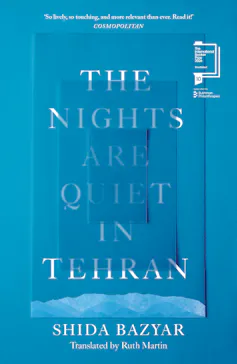
由Shida Bazyar著、Ruth Martin翻译、Scribe出版社出版的小说《德黑兰的夜晚很安静》已入选2026年国际布克奖短名单1。该作品以1979年伊朗伊斯兰革命为背景,通过五个家庭成员的视角,讲述革命如何改变了他们的人生轨迹1。
小说由四章加序言组成,时间跨度以十年为一个章节1,故事设定涵盖革命后至1999年改革派总统当选期间的伊朗历史1。作品中融入了关于政治理想、流亡生活和代际隔阂等主题。其中,Behzad观察道:"艾敏可能同意我们在使用武器和暴力问题上的观点,但只是为了他之前从未相信过的上帝服务"1。人物Nahid则引用波兰诗人切斯瓦夫·米沃什的观点,认为"语言是唯一的故乡"1,以此探讨身份认同与流亡的主题。
Shida Bazyar's novel "The Nights are Mainly Quiet in Tehran," translated by Ruth Martin and published by Scribe, has been shortlisted for the 2026 International Booker Prize 1. The work traces how Iran's 1979 Islamic revolution transformed the lives of five family members across a decade-spanning narrative structured in four chapters plus a prologue 1.
The story unfolds against the backdrop of post-revolutionary Iran, extending from 1979 through the era following the 1999 election of a reformist president 1. Through multiple perspectives, the novel examines the collision between political idealism and lived experience in the aftermath of upheaval. One character, Behzad, observes the contradictions inherent in revolutionary commitment, noting that another family member "might agree with us on the question of using weapons and violence, but only in service of a god he had never previously believed in" 1. The narrative also explores themes of displacement and cultural identity, with the character Nahid invoking Polish poet Czeslaw Milosz's reflection that "language is the only homeland" 1.
评论
还没有评论,欢迎留下第一条。