早期中世纪英格兰文学中的“怪物”概念深受当时文化语境影响,其时间跨度定义为公元400年代中期至1066年诺曼征服 1。英语教授 Jeffrey Jerome Cohen 指出,怪物是“某种文化时刻的体现”,而这一时期文学作品所塑造的形象正可为现代万圣节装扮提供基于历史文本的创意灵感 1。文章作者 Emma Knowles 通过剖析《贝奥武夫》、《东方奇迹》及圣克里斯托弗传说等作品,揭示了身体混合特征、性别角色越界以及行为异常如何共同构成了当时的“怪物性” 1。
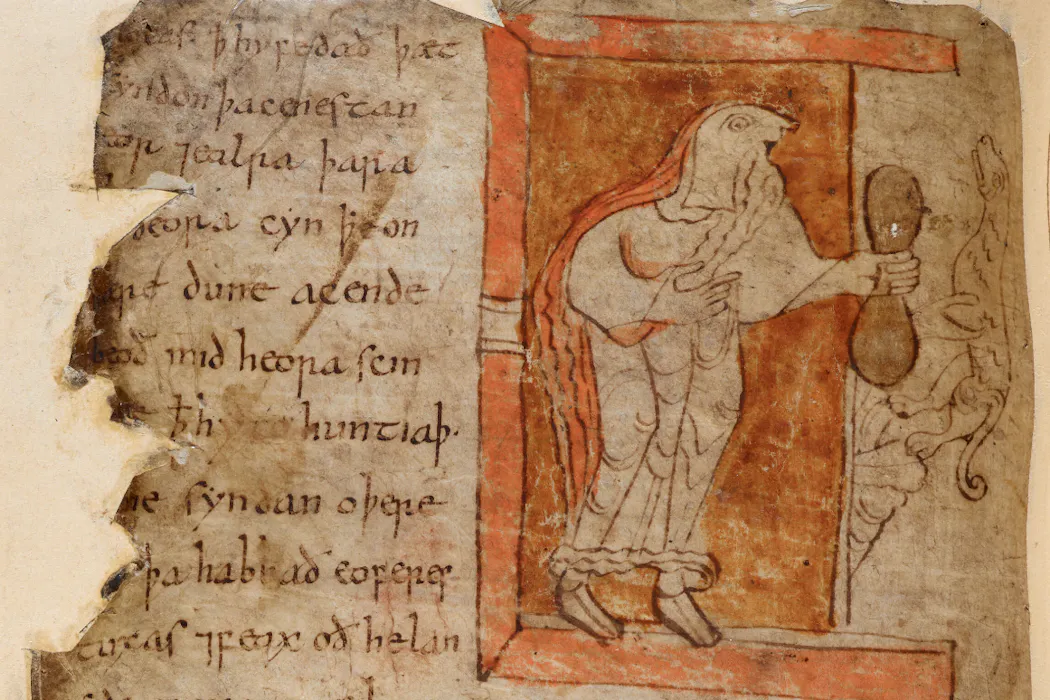
在这些经典文本中,怪物的外貌特征往往具有强烈的视觉冲击力且存在显著的身体差异与混合性 1。例如,《贝奥武夫》中的反派 Grendel 被描绘为拥有如钢铁般锋利的指尖利爪 1。而在《东方奇迹》里,出现了一种具备野猪獠牙、骆驼脚和驴牙齿的女性混合生物 1。此外,早期英文版本中的圣克里斯托弗也被刻画为长着狗头、双眼明亮如晨星、牙齿似野猪獠牙的形象 1。这些案例表明,尽管时代变迁,关于身体变异和规范违反的怪物特征在历史上具有一致性 1。
Early medieval English literature, spanning from the mid-400s to the Norman Conquest in 1066, provides a rich source of inspiration for modern Halloween costumes by showcasing cultural definitions of monstrosity 1. Professor Jeffrey Jerome Cohen describes monsters as the embodiment of specific cultural moments, suggesting that these historical figures reflect the anxieties and norms of their time rather than just supernatural threats 1. The concept of the monster was deeply rooted in the cultural context of the era, with characteristics such as bodily differences, hybrid features, and behavior violating social norms consistently defining monstrosity across texts 1.
Specific literary works offer distinct visual ideas for costume design. In Beowulf, the monster Grendel is depicted with razor-sharp claws described as being like steel 1. Another source, The Wonders of the East, describes female hybrid creatures possessing boar tusks, camel feet, and donkey teeth, providing a unique template for grotesque characterizations 1. Additionally, early English versions of the legend of Saint Christopher portray him with a dog’s head, eyes bright as the morning star, and teeth resembling those of a boar 1. These descriptions highlight how gender role boundaries and mixed physical traits were used to construct the monstrous in medieval storytelling, offering creative alternatives for contemporary dress-up events 1.
评论
还没有评论,欢迎留下第一条。