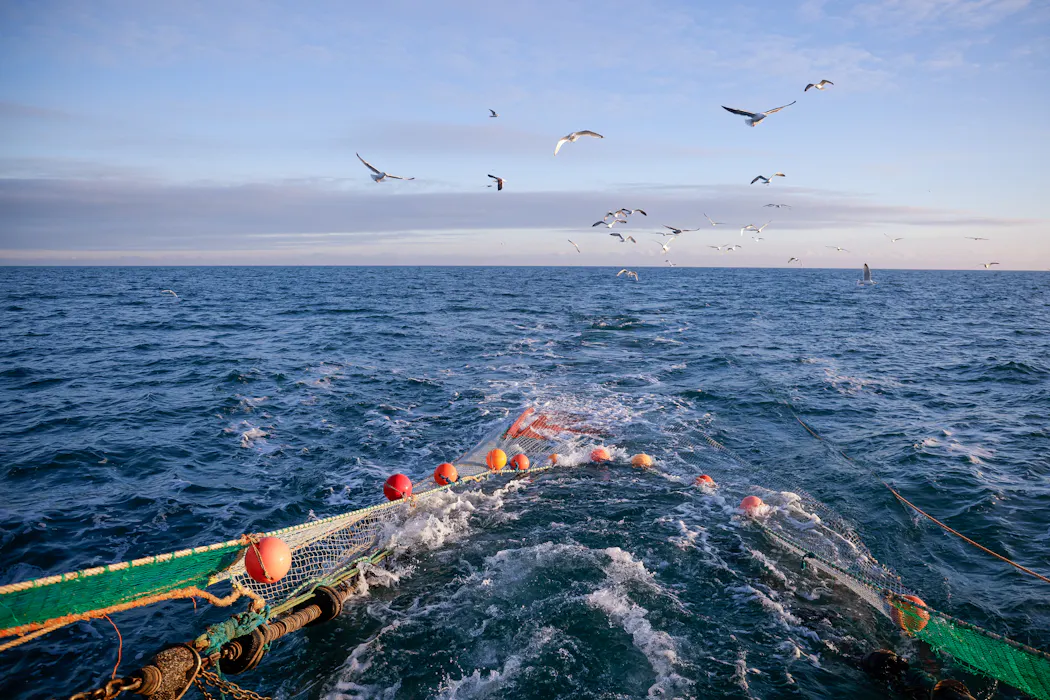
新西兰政府的《渔业修正案法案》因对底层拖网捕鱼的管制问题产生分歧而陷入搁浅,这一争议性捕鱼方式与海洋生态保护之间的矛盾日益凸显。1底层拖网捕鱼是该国最普遍的商业捕鱼方法,2024–25年度的捕获量约为224,000吨,占商业渔获总量的三分之二。1这一产业每年为新西兰创造约20亿新西兰元的出口收入。1
然而,底层拖网捕鱼对海洋生态的破坏程度令人担忧。1该方式对海床造成严重损害,导致珊瑚、海绵等寿命超过百年的生物遭到毁灭性破坏。1根据政府观察员的记录,从1992–93年至2017–18年间,拖网捕鱼造成超过4,200只海洋哺乳动物被捕获,其中大多数未能存活。1自1990年以来,底层拖网作业已覆盖新西兰水域近50万平方公里——面积相当于南北岛总和的两倍。1目前,仅约15%的可捕鱼深度(浅于1,600米)水域被禁止进行底层拖网作业,约三分之一的专属经济区已被关闭。1
面对日益激化的环保呼声,海洋科学家建议新西兰采取更严格的保护措施,提议将50%的新西兰领海和专属经济区禁止底层拖网作业。1总理则主张在经济效益与环境保护之间寻求平衡。1
New Zealand's contentious Fisheries Amendment Bill has put a spotlight on bottom trawling, the nation's most prevalent yet destructive commercial fishing method.1 The practice accounts for approximately two-thirds of the country's commercial fish catch, generating around NZ$2 billion in annual export revenue for the fishing industry.1 However, the ecological cost has proven substantial, with bottom trawling causing severe damage to seafloor ecosystems, destroying century-old corals and sponges while resulting in significant marine mammal mortality.1
The scale of the impact is striking. Between 1992–93 and 2017–18, government observers recorded over 4,200 marine mammals caught in trawling operations, with most failing to survive.1 Over the three decades from 1990 to 2025, bottom trawling has covered nearly 500,000 square kilometers of New Zealand waters—an area more than double the combined landmass of the North and South Islands.1 In the 2024–25 fishing year alone, bottom trawling caught approximately 224,000 tonnes.1
Currently, only about 15% of fishable depths shallower than 1,600 meters are protected from bottom trawling, with roughly one-third of the exclusive economic zone closed to the practice.1 Marine scientists are advocating for stronger protections, proposing that 50% of New Zealand's territorial waters and exclusive economic zone be shielded from bottom trawling impacts.1 The delayed fisheries legislation reflects ongoing tensions between the government's emphasis on balancing economic benefits against environmental concerns and calls for more comprehensive marine ecosystem protection.1
评论
还没有评论,欢迎留下第一条。