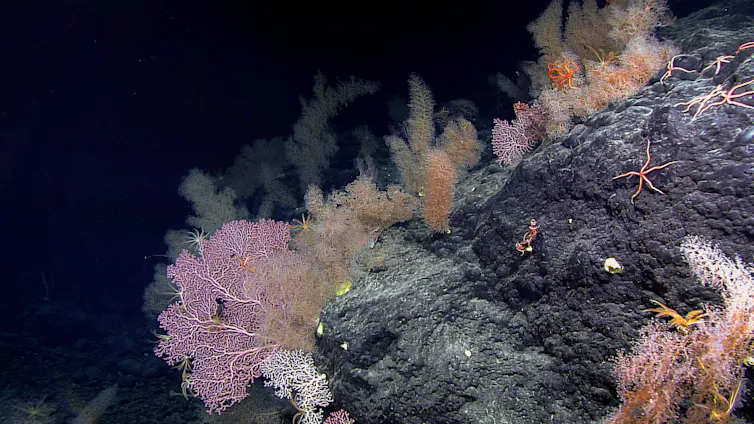
各国目前正在就联合国可持续渔业决议展开谈判,提议在2027年底前逐步取消国际水域海山上的底拖网捕捞 1。这一提案的背景是科学家发现,没有证据表明任何海山在停止拖网捕捞后完全恢复,即使是经过40年的休整也未能复原 1。底拖网作业对深海生态系统破坏巨大,其渔网宽度可达80至200米,并配有重达5吨的金属门,严重摧毁生长缓慢的深海珊瑚和海绵 1。
尽管破坏性显著,目前仅有1.5%的已知海山受到保护 1。超过400名科学家已签署《海山宣言》,敦促政府结束国际水域海山的底拖网捕捞活动 1。随着《公海条约》(BBNJ协定)今年生效,以及2022年全球生物多样性框架设定了到2030年保护30%海洋的目标,海山保护的全球势头正在增强 1。澳大利亚等国有望推动该禁令最终达成 1。
United Nations member states are currently negotiating a resolution aimed at phasing out bottom trawling on seamounts in international waters by the end of 2027 1. This proposed ban seeks to address the severe ecological damage caused by heavy fishing gear, which includes nets spanning 80 to 200 meters wide and metal doors weighing up to five tons 1. The impact of such practices is profound, particularly for slow-growing deep-sea corals and sponges that struggle to recover from physical disturbance 1.
Scientific evidence suggests that these underwater mountains do not fully heal after trawling ceases; researchers have found no indication that any seamount has completely recovered, even four decades after fishing activities stopped 1. Despite this vulnerability, only 1.5% of known seamounts currently receive protection 1. However, momentum for conservation has grown since the adoption of the Global Biodiversity Framework in 2022, which set a target to protect 30% of the world’s oceans by 2030 1. The High Seas Treaty (BBNJ Agreement) entered into force this year, providing a legal framework for such protections 1. Additionally, more than 400 scientists have signed the "Seamount Declaration," urging governments to end bottom trawling on these features in international waters 1.
评论
还没有评论,欢迎留下第一条。