随着气候变化加剧灾害风险,越来越多的澳大利亚普通家庭开始主动学习灾难准备知识,这一行为主要源于对火灾、洪水等自然灾害的务实考量以及过往疏散经历带来的担忧 1。与常被贴上阴谋论或极端主义标签的“生存主义者(preppers)”不同,澳大利亚当前的民间防灾风格较为温和且去意识形态化,其核心动机是应对气候不确定性,而非国际冲突或超级病毒 1。这种基于日常生活的准备被视为一种理性选择,反映了公众在基础设施私有化背景下对系统脆弱性的认知 1。
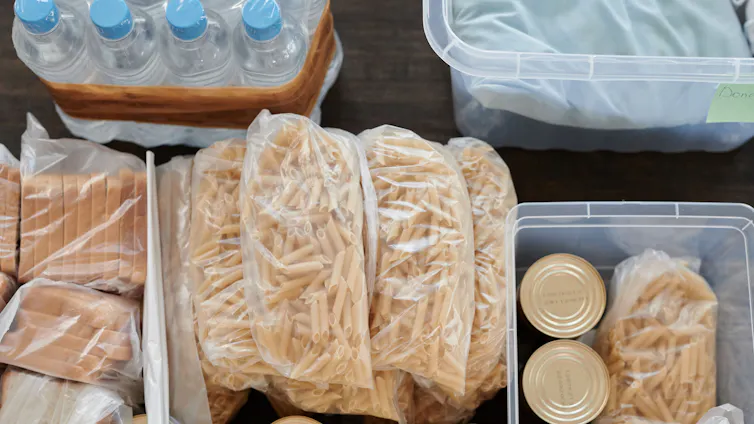
尽管官方指南建议家庭储备72小时的不易腐烂食物、清水、至少一周的药物及通讯设备等物资 1,但民间实践正超越基础应急包范畴,延伸至提升整体家庭韧性。数据显示,今年7月近三分之一的澳大利亚新车为电动车,屋顶太阳能电池安装量在去年下半年同比增长四倍,表明民众正通过能源自主来增强抗灾能力 1。然而,富裕阶层能更便捷地通过购买昂贵设备获得保护,这也凸显了灾难准备过程中存在的经济不平等现象 1。此外,基础设施的变迁也带来了新的隐患,依赖电力的手机和网络服务在停电时存在短板,而传统铜线电话虽已逐渐退出主流,但在特定紧急情况下仍具运作优势 1。
A growing number of Australians are actively engaging in disaster preparedness driven primarily by climate change anxieties rather than fears of international conflict or pandemics 1. Unlike the stereotypical image of "preppers" often associated with conspiracy theories or extremism, this movement is characterized as moderate and de-ideologized 1. Many parents are motivated to learn emergency protocols due to past evacuation experiences and concerns about potentially life-threatening natural disasters 1. This shift represents a move from merely following government advice to taking personal responsibility for resilience against events such as bushfires and floods 1.
Official guidelines from Australian authorities recommend that households maintain 72 hours' worth of supplies, including non-perishable food, fresh water, at least one week’s supply of medication, first aid kits, torches, batteries, and communication devices 1. These domestic efforts coincide with broader global trends, exemplified by the UK's "Be Ready" campaign, which urges families to prepare for severe weather and cyberattacks, citing threats such as state-sponsored terrorism from nations like Russia 1. In Australia, however, the primary focus remains on practical adaptations to environmental risks, reflecting a distinct local context compared to geopolitical-driven preparations elsewhere 1.
Recent data indicates a tangible increase in household resilience infrastructure, with electric vehicles comprising nearly one-third of new car sales in July of this year and rooftop solar panel installations quadrupling year-on-year during the second half of last year 1. Despite these advancements, vulnerabilities persist due to the privatization of critical infrastructure; while traditional copper-wire telephones remain functional during power outages, mobile phones and internet services—now heavily relied upon—fail without electricity 1. Furthermore, researchers Jordan McKenzie and Fiona Whitelaw, funded by the Australian Research Council (Project ID DP230101928), highlight that wealthier individuals can more easily secure protection through expensive equipment, underscoring significant economic inequalities in disaster readiness capabilities 1.
评论
还没有评论,欢迎留下第一条。