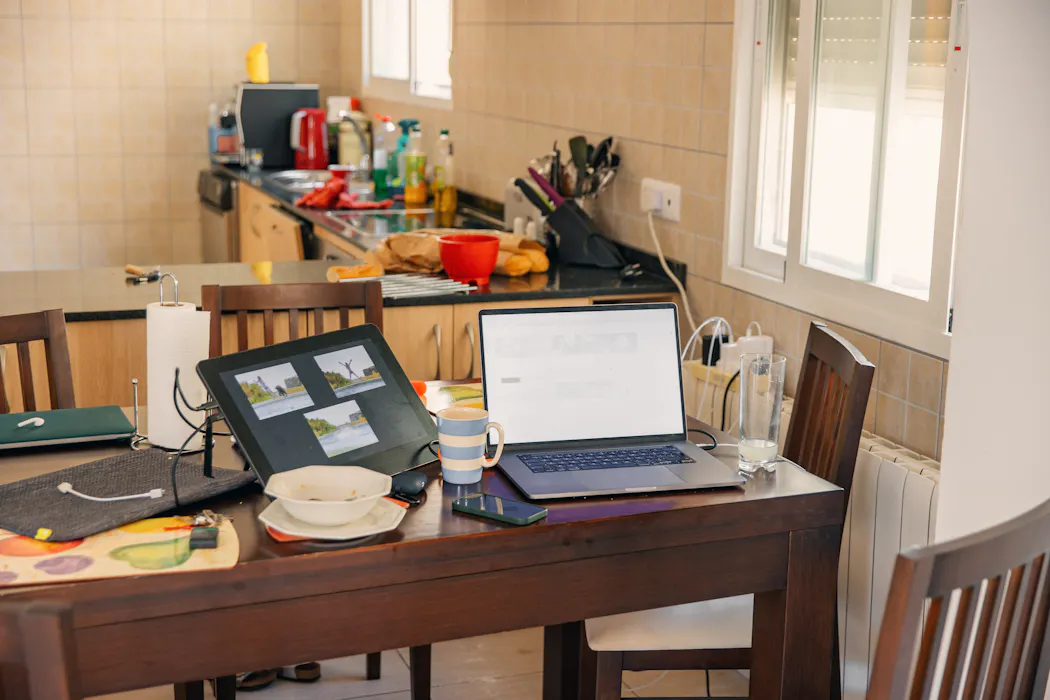
一项针对22个新西兰家庭的研究发现,适度的杂乱并非需要消除的问题,反而可能有助于家庭日常功能的运转 1。该研究指出,杂乱空间往往服务于多重用途或反映家庭成员间的尊重与互动 1。
在管理杂乱方面,居民通常采取清理、容忍或将物品隐藏起来的方式 1。研究者 Jamal Abarashi 建议,衡量家庭是否井然有序的标准不应仅是视觉上的整洁,而是其是否有效地服务于居住者的生活需求 1。研究结论表明,一个看起来完美有序的家不一定是最适合居住者生活的家 1。
A recent study involving 22 households in New Zealand challenges the conventional view that clutter is merely a problem to be eliminated, suggesting instead that a degree of untidiness can actually support daily family life 1. Researcher Jamal Abarashi indicates that messy spaces often serve multiple functions or reflect dynamics of respect and interaction among household members, rather than indicating a failure of organization 1.
The findings imply that homeowners do not need to strive for perfect visual order to achieve an effective living environment 1. Families typically manage disorder through various strategies, including clearing items away, tolerating the mess, or simply hiding it from view 1. Ultimately, the study concludes that a home appearing perfectly organized is not necessarily the one that best serves the practical needs of its inhabitants 1.
评论
还没有评论,欢迎留下第一条。