2023年10月13日,澳大利亚独立参议员David Pocock在联邦议会提出一项动议,呼吁制定长期计划以“保护澳大利亚景观和野生动物免受入侵物种侵害”1。这一提议随即引发争议,绿党参议员Mehreen Faruqi回应称:“不需要把引入物种标记为入侵物种,从而把这项决议提到的人为造成的问题归咎于动物……动物不是要被射杀的恶棍,也不是要被毒死的障碍。”1
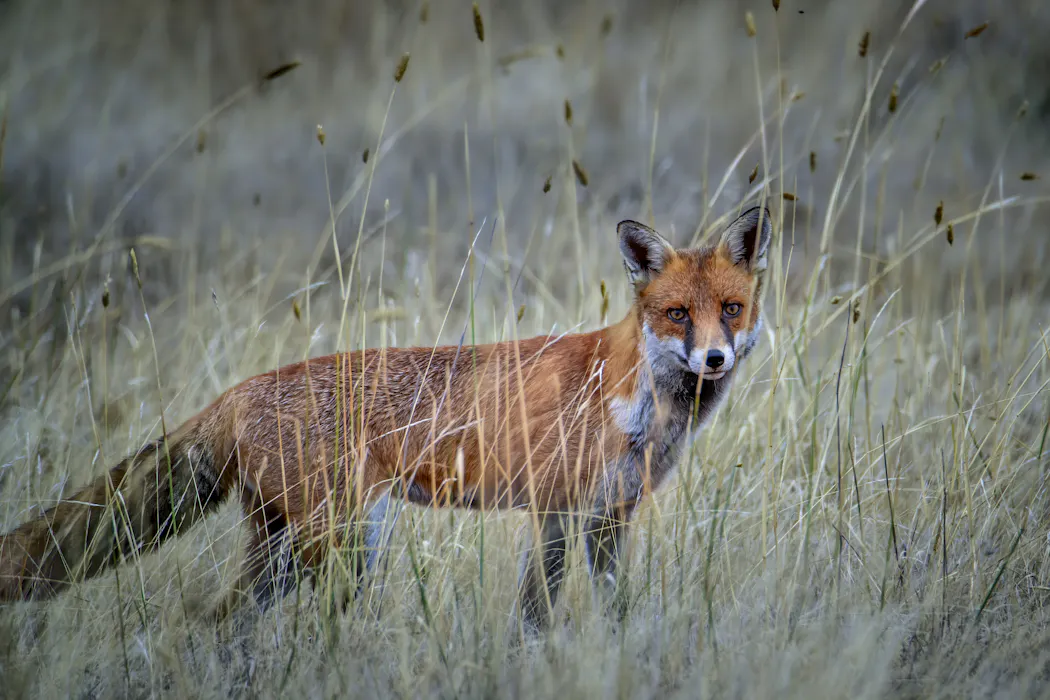
尽管存在伦理争议,生态学家指出野猫和狐狸被认为是导致许多澳大利亚本土哺乳动物近期灭绝的主要入侵捕食者1。相关数据显示,在当局控制入侵捕食者数量的地区,受威胁哺乳动物的种群在2000年至2022年间下降了约20%并趋于稳定;而在没有干预的地区,种群下降了超过50%1。作为科学管理有效性的例证,通过毒饵和陷阱减少野猫和狐狸数量,结合建立无捕食者的围栏保护区,袋食蚁兽(Numbat)从1970年代野外仅剩约300只恢复到不再濒危的状态1。
On October 13, 2023, Independent Senator David Pocock introduced a motion in the Federal Parliament calling for a long-term plan to “protect Australia’s landscapes and wildlife from invasive species” 1. The proposal has sparked a contentious debate regarding the definition of invasiveness and the ethics of lethal control measures. Green Party Senator Mehreen Faruqi criticized the initiative, arguing that labeling introduced animals as "invasive" unfairly scapegoats them for human-caused environmental issues 1. In her response, Faruqi stated, “There is no need to label introduced species as invasive... Animals are not villains to be shot or obstacles to be poisoned,” emphasizing opposition to treating these creatures as targets for elimination rather than victims of ecological disruption 1.
Despite ethical concerns raised by critics, ecologists maintain that controlling specific predatory species is crucial for preventing further extinctions of native fauna 1. Feral cats and foxes are identified as the primary drivers behind the recent loss of many Australian mammal species 1. Scientific management interventions, such as baiting, trapping, and the establishment of predator-free fenced reserves, have demonstrated significant success in recovering vulnerable populations 1. A notable example is the numbat, which rebounded from a population of approximately 300 individuals in the wild during the 1970s to a state where it is no longer classified as endangered 1.
Data analysis supports the efficacy of these control programs in stabilizing biodiversity metrics 1. Between 2000 and 2022, threatened mammal populations declined by about 20% but subsequently stabilized in areas where authorities actively managed invasive predators 1. In contrast, regions without such intervention saw declines exceeding 50%, highlighting the tangible impact of culling and containment strategies on conservation outcomes 1.
评论
还没有评论,欢迎留下第一条。