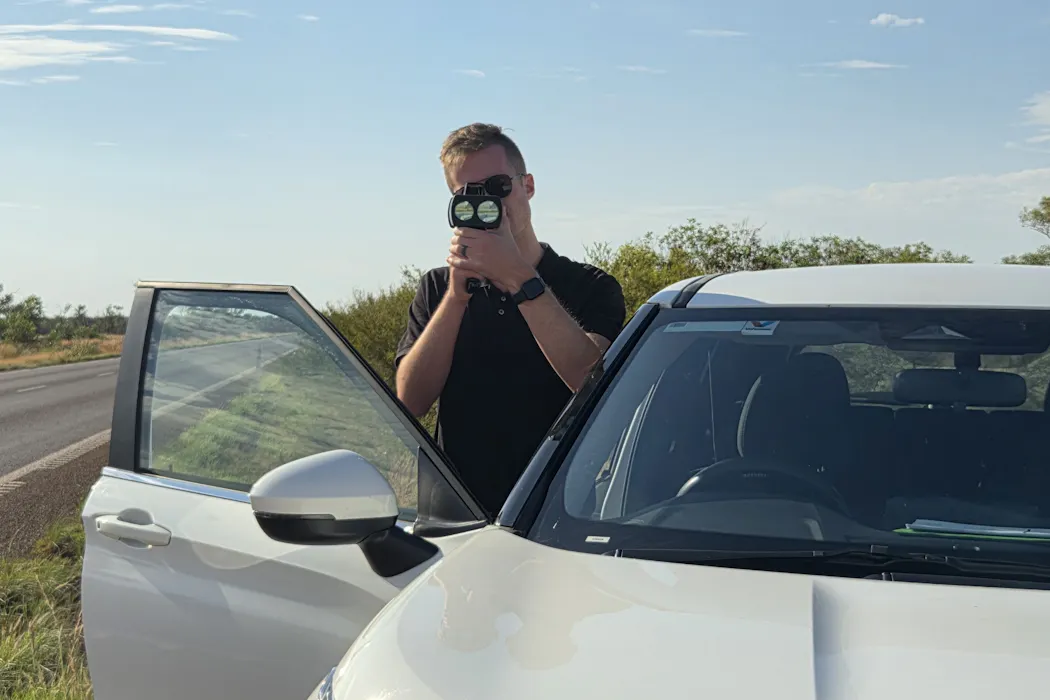
最新研究显示,虽然Waze等导航软件提供的测速摄像头警报能促使驾驶员在收到提示时立即减速,但这种机制长期来看可能训练驾驶员在没有警报的情况下超速行驶 1。研究团队在澳大利亚昆士兰东南部的33个路边地点利用手持激光设备测量了超过9000辆汽车的速度 1。实验数据显示,驾驶员平均仅需14分钟就能将未标记的警用车辆上报至Waze平台作为执法点 1。在警报出现前,55%的驾驶员处于超速状态;而在警报出现后,这一比例降至26% 1。特别是在限速100公里/小时的区域,超速比例从64%大幅下降到12% 1。
犯罪学家指出,这种现象源于“惩罚规避”心理,即成功逃避处罚会导致违规行为的频率增加,使驾驶员产生“无警报即安全”的错误认知 1。基于2020年的研究数据,约有三分之一的澳大利亚驾驶员在驾驶过程中使用此类应用程序 1。研究人员建议警方调整执法策略以应对这一由导航应用引发的行为变化,而非简单地禁止此类功能 1。
New research suggests that while speed camera alerts provided by navigation apps like Waze effectively reduce speeding when warnings are active, they may inadvertently train drivers to speed more frequently when no alerts are present. 1 The study, conducted in southeastern Queensland, measured the speeds of over 9,000 vehicles at 33 roadside locations using handheld laser devices. 1 Data revealed that prior to any alert, 55% of drivers were exceeding the speed limit; this figure dropped to 26% once an alert was triggered. 1 In zones with a 100 km/h limit, the proportion of speeding drivers fell sharply from 64% to just 12% following an alert. 1
The rapid reporting of law enforcement activities further highlights the prevalence of these features among Australian motorists. 1 On average, drivers reported unmarked police vehicles as enforcement points to the Waze platform within 14 minutes. 1 Criminologists describe this phenomenon as "punishment avoidance," where successfully evading penalties encourages more frequent violations because drivers perceive safety in the absence of warnings. 1 A 2020 study indicates that approximately one-third of Australian drivers use such applications while operating their vehicles. 1 Researchers recommend that police adjust their enforcement strategies to address this behavioral shift rather than banning the functionality of these navigation aids. 1
评论
还没有评论,欢迎留下第一条。