新西兰即将举行大选,各主要政党在运输政策上提出了不同承诺。国家党主张建设更多主干道,而工党和绿党则承诺设定公交票价上限1。工党具体承诺在主要城市将周公交票价上限设为20新西兰元,其他地区为10新西兰元1。
然而,简单的基础设施扩张或票价优惠措施可能无法根本解决该国面临的深层运输挑战1。尽管政府在三年内为公共交通分配了64亿新西兰元,包括运营服务资金增加41%,但许多新西兰人在油价高企和公交系统不可靠或不可达的情况下,仍然严重依赖私家车1。研究表明,美国城市的驾驶增长与州际高速公路运力大致成正比,这提示单纯增加道路运力可能反而刺激更多驾驶1。
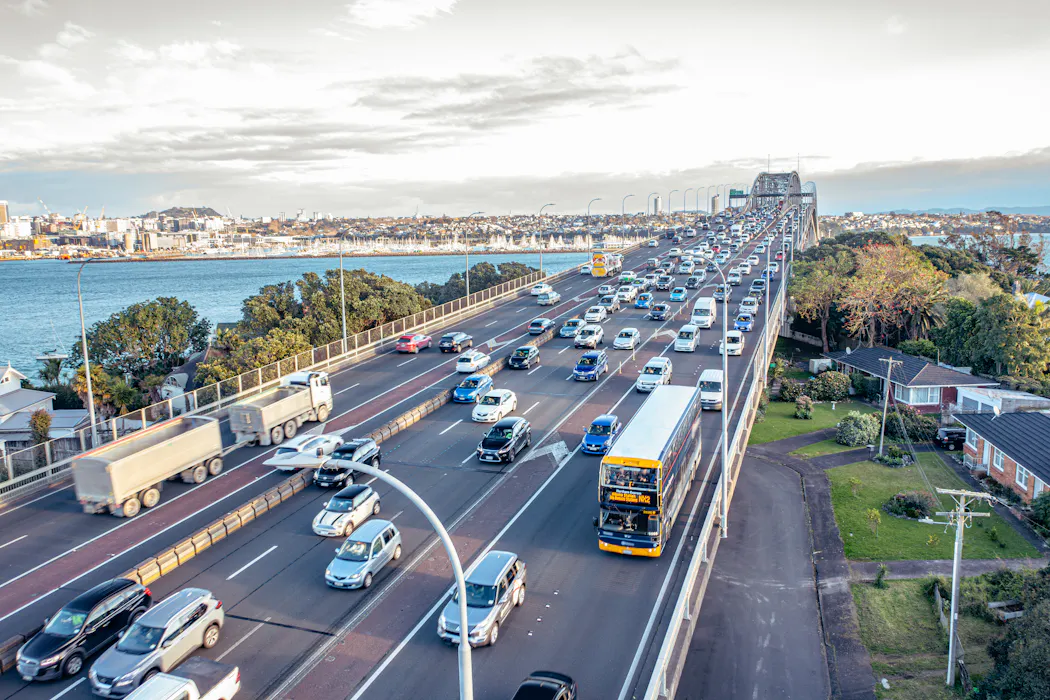
运输部门是新西兰气候变化的重要推手,2024年占温室气体排放总量的18%,其中道路运输占部门排放的91%1。政府当前的运输项目预算中,用于州际高速公路改进的拨款达70亿新西兰元,而用于步行和骑行的拨款仅为4.6亿新西兰元1。在城市公交方面,奥克兰城铁线第一周客运量达528,007人次,创造了历史新高,显示在系统运作有效时居民的使用意愿1。下届政府需要在基础设施维护、融资透明和实际可行性之间找到平衡1。
New Zealand's incoming government will inherit significant transportation challenges that cannot be resolved through the policy solutions currently being championed by major political parties.1 The National Party advocates for expanded highway infrastructure, while Labour and the Greens have pledged to cap public transit fares—Labour proposing a maximum of NZ$20 per week in major cities and NZ$10 in other regions.1 However, these approaches fail to address the fundamental issue driving New Zealand's transport system: heavy reliance on private vehicles in an environment of high fuel costs and inconsistent or inaccessible public transit options.1
The transport sector's contribution to New Zealand's emissions underscores the urgency of the challenge.1 Road transport accounted for 91% of the transport sector's greenhouse gas emissions in 2024, which itself represented 18% of total national emissions.1 Government investment in the sector reflects competing priorities: over a three-year period, NZ$6.4 billion was allocated to public transport, with operational service funding increased by 41%, while NZ$7 billion was directed toward interstate highway improvements compared to just NZ$460 million for walking and cycling infrastructure.1 International research demonstrates that highway capacity expansion correlates with increased driving, suggesting that road building alone may not achieve sustainable transport outcomes.1 Evidence of public transit's potential emerged in Auckland, where the city rail network recorded 528,007 trips in its first week of operation, marking a historic high.1 The next government must balance infrastructure maintenance, transparent financing, and practical feasibility to develop a transport strategy that addresses New Zealand's core mobility needs.1
评论
还没有评论,欢迎留下第一条。