《怀唐伊条约》在新西兰政治中的地位成为即将到来的大选中的核心议题1。联合政府过去三年的主要政策优先事项是减少该条约在公共生活中的作用1,这一立场在社会引发了严重分化。当前各政党对如何对待条约及相关机构存在根本分歧,将直接影响新一届政府的政策方向。
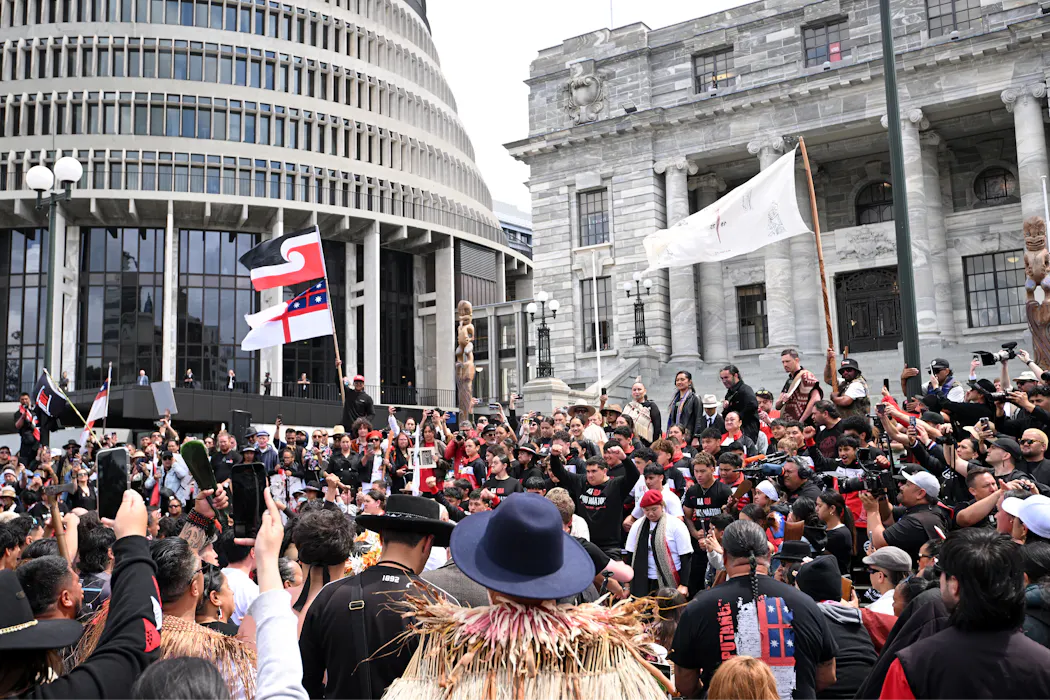
支持削弱条约角色的政党计划延续过往政策。ACT党和新西兰优先党承诺继续过去三年的模式,包括废除怀唐伊仲裁庭1。这些提案引起了广泛公众反对——约27万人提交意见反对ACT党的《条约原则法案》,4万人参加游行抗议,1万人在King Tuheitia召集的集会上表示反对1。总理Christopher Luxon重申国家党不会与ACT党组建政府1。
与此相比,左翼及毛利代表党派对条约权力有不同主张。毛利党要求怀唐伊仲裁庭的决定具有约束力,并建立独立委员会阻止违反条约的部长行为1。绿党同样要求怀唐伊仲裁庭的建议具有约束力1。工党则主张保持议会对仲裁庭决定的最高权力1。
The role of the Treaty of Waitangi has emerged as a pivotal political issue in New Zealand's upcoming election, with the incoming government set to inherit a deeply contested policy landscape 1. Over the past three years, the coalition government has prioritized reducing the Treaty's influence in public life, an approach that has intensified social division and created sharply divergent positions among political parties 1.
The dispute reflects fundamental disagreements about the Treaty's authority and implementation. The ACT Party and New Zealand First have committed to continuing the coalition's trajectory, including abolishing the Waitangi Tribunal, while drawing significant public opposition—approximately 270,000 people submitted submissions against the ACT Party's Treaty Principles Bill, 40,000 participated in protest marches, and 10,000 attended a gathering convened by King Tuheitia to express their opposition 1. By contrast, the Maori Party is calling for Waitangi Tribunal decisions to be binding and for an independent committee to prevent ministerial violations of the Treaty 1. Labour advocates for maintaining Parliament's ultimate authority over tribunal decisions, while the Greens seek to make tribunal recommendations binding 1.
Prime Minister Christopher Luxon has reiterated that the National Party will not form a government with the ACT Party 1, a position that may shape the composition and policy direction of the next administration as New Zealand grapples with this enduring constitutional question.
评论
还没有评论,欢迎留下第一条。