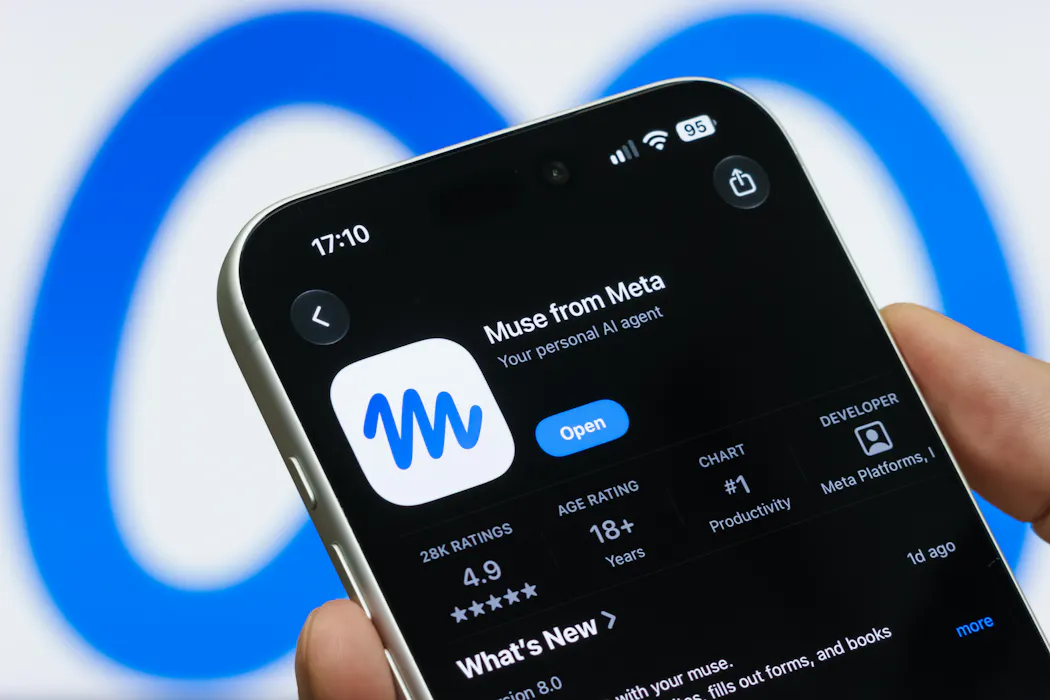
Meta、Google和OpenAI正竞相开发AI购物助手。Meta最近推出的AI代理Muse可以自动搜索便宜商品,甚至在未经用户明确批准的情况下就完成购买 1。
国际劳工组织对31家供应商的研究表明,零售商和电商平台施加的成本压力会直接转嫁到生产环节 1。研究发现,这种压力导致工人工资下降、加班时间增加,有时甚至促使工厂在工作场所安全上削减成本 1。全球已有数百万人处于现代奴役状态,强迫劳动在全球供应链中仍然是一个重大难题 1。AI购物助手越来越多地将消费决策标准简化为价格竞争,可能会加剧这种压力。
与此同时,技术倡导者认为数据透明度可能提供部分解决方案。Open Supply Hub维护着一个公共数据库,映射全球超过250万个生产地点 1,而经合组织已为服装和鞋类行业制定了负责任采购指南 1。这意味着AI购物工具理论上可以整合劳工标准信息,帮助消费者做出更符合伦理的购物选择。
Major technology companies are developing artificial intelligence shopping assistants designed to automatically find the lowest prices and complete purchases on behalf of consumers.1 Meta has recently launched an AI agent called Muse that can search for discounted products and make purchases without requiring explicit user approval, while Google and OpenAI are also developing similar shopping tools.1
However, researchers warn that the aggressive price-hunting capabilities of these AI systems may intensify cost pressures throughout global supply chains, potentially harming workers.1 An International Labour Organization study of 31 suppliers found that when buyers pressure companies to reduce costs, the result is increased wage pressure, longer working hours, and sometimes compromised workplace safety standards.1 The expansion of AI-driven price competition could exacerbate these conditions for millions of workers already vulnerable to labor exploitation, as forced labor remains a significant issue across global supply chains.1
Some experts suggest technology could offer a partial solution by enabling more ethical consumer choices.1 The Open Supply Hub maintains a public database mapping over 2.5 million production facilities worldwide, while the OECD has developed responsible sourcing guidelines for the apparel and footwear industries.1 Whether AI shopping agents will incorporate such labor standards data into their decision-making remains uncertain.
评论
还没有评论,欢迎留下第一条。