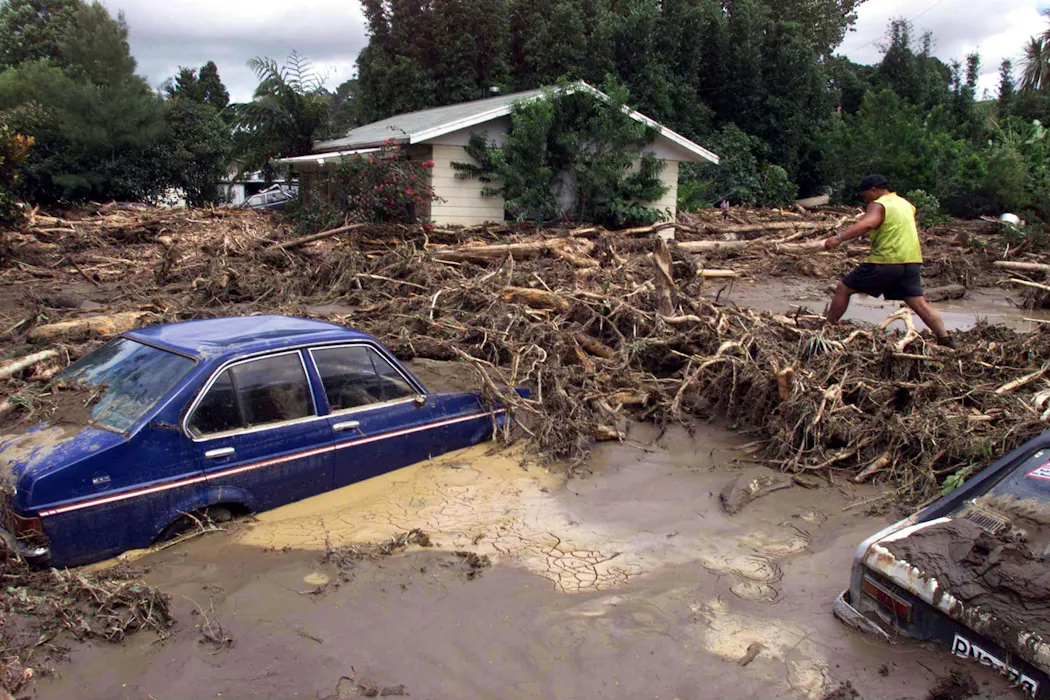
新西兰因其地理位置易受洪水、地震、海啸等自然灾害影响。1 2023年奥克兰周年纪念日周末的洪水造成了超过NZ$20亿的保险损失,1 随后奥克兰议会和政府承诺投入约NZ$1.25亿购买1100多处生命风险不可接受的地产。1 这些事件凸显了该国日益严峻的灾害风险形势。
自然灾害研究专家指出,新政府需要将自然灾害风险和韧性作为独立于选举周期的长期国家挑战,同时强调需要在科学、政策和实践之间建立更强联系。1 保险商IAG近期报告指出"新西兰自然灾害风险上升速度超过其管理能力",1 气候变化委员会也警告适应进展未能跟上风险增长。1 虽然新西兰继续在易受灾区域放置人口和基础设施,但投资于韧性能带来重大经济回报——常见估计表明每投资1美元用于韧性可节省8美元的损失。1
New Zealand's geographic position exposes it to significant natural disaster risks including flooding, earthquakes, and tsunamis, requiring the incoming government to treat hazard resilience as a sustained national priority independent of political cycles 1. The urgency of this challenge became evident following the Auckland anniversary weekend floods in 2023, which generated over NZ$20 billion in insurance losses 1. In response, Auckland Council and the government committed approximately NZ$125 million to purchase over 1,100 properties where the risk to life had become unacceptable 1.
Experts emphasize that strengthening connections between science, policy, and practice is essential for addressing New Zealand's escalating natural disaster exposure 1. Research consistently demonstrates that resilience investments deliver substantial economic returns, with estimates suggesting that every dollar invested in resilience can save eight dollars in losses 1. However, the urgency has intensified as insurance provider IAG recently reported that "New Zealand's natural hazard risk is rising faster than its ability to manage it" 1, while the Climate Change Commission warned that adaptation progress has failed to keep pace with growing risks 1. Despite these warnings, New Zealand continues to place population and infrastructure in vulnerable areas, underscoring the critical policy decisions that lie ahead 1.
评论
还没有评论,欢迎留下第一条。