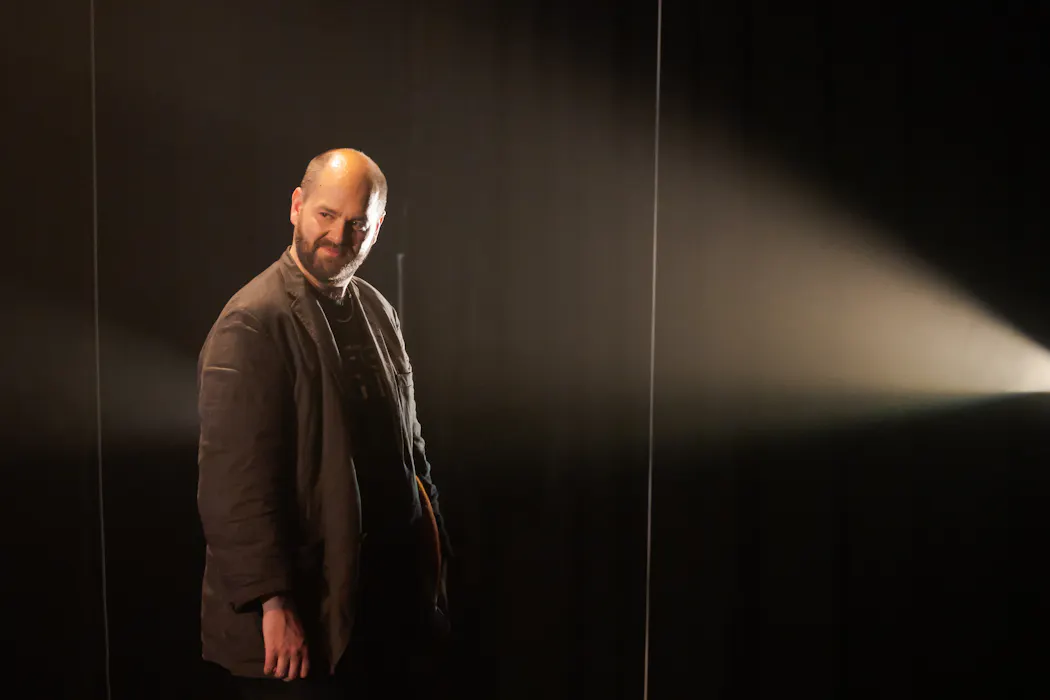
新西兰戏剧导演斯图尔特·麦肯齐创作的言语剧场作品《追寻上帝之后》以真实人物的原始言辞为基础,通过结构化访谈、即兴对话、神学讲座及导演本人的思想汇集而成 1。该剧由演员安德鲁·帕特森主演,扮演麦肯齐本人作为提问者、旁白者和怀疑者的多重角色 1,其中包含了哥伦比亚大学著名文化批评家和哲学家马克·泰勒通过Zoom通话参与的内容 1。这部作品在惠灵顿Circa Theatre演出,展期至11月14日 1。
言语剧场这一艺术形式由德里克·佩吉特于1987年首次定义 1。新西兰的言语剧场创作始于1993年,威廉·布兰特和米兰达·哈考特合作完成了首部作品《Verbatim》1。然而,虽然《追寻上帝之后》因其出色的表演获得肯定,但该作品也引发了关于真实性的根本性问题:当真实的言语经历转录、编辑和演员的诠释后,观众最终看到的是否仍然能被称为客观真实 1。
New Zealand director Stuart Mackenzie has created a verbatim theatre work titled "In Search of God After" that draws on real conversations and lectures to explore questions of faith 1. The production features structured interviews, improvised dialogue, theological lectures, and Mackenzie's own reflections, all woven into a performance that blurs the line between documentation and interpretation 1.
Actor Andrew Patterson takes on multiple roles in the piece, appearing as Mackenzie himself—functioning variously as questioner, narrator, and skeptic 1. Among the contributors is Mark C. Taylor, a prominent cultural critic and philosopher from Columbia University, who participated via Zoom call 1. The production runs at Circa Theatre in Wellington until November 14 1.
The work raises a fundamental tension inherent to the verbatim theatre form itself, which was first named by Derek Paget in 1987 1. When real words from real people are transcribed, edited, and then performed by actors, what remains of objective truth? 1 The editorial choices and theatrical presentation necessarily shape and potentially distort the reality being represented 1.
评论
还没有评论,欢迎留下第一条。