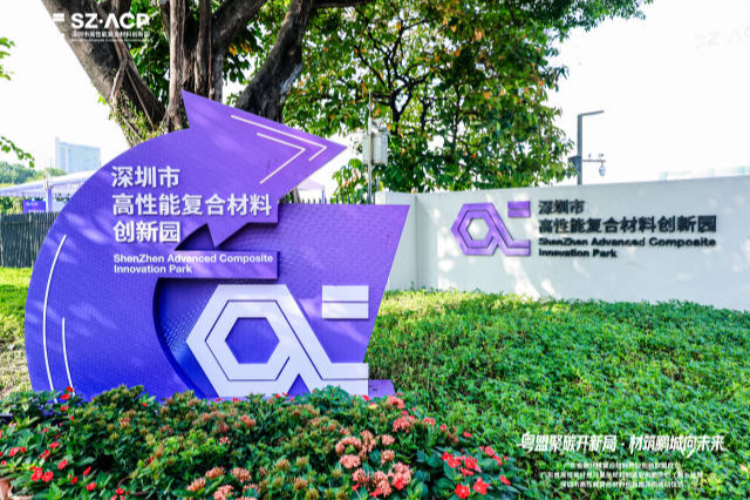
10月16日,广东省碳纤维复合材料产业创新联盟成立、省级制造业创新中心挂牌、深圳市高性能复合材料创新园开园,三大平台在南山同日启用 1。这一系列举措旨在推动碳纤维产业向纵深发展,补强产业链主、加速产业集群建设。
深圳创新园占地10.2万平方米 1,已入驻深圳大学碳纤维及复合材料联合实验室、哈尔滨工业大学复合材料与结构研究所、长盛科技、轻快世界等4家主体 1,形成了从上游原丝碳纤维研发到下游航空航天应用的完整产业链 1。产业创新联盟首批汇集118个成员 1,为产业合作搭建了重要平台。
广东碳纤维市场规模约占全国三分之一 1,但缺乏龙头企业。当前,我国碳纤维运行产能已占全球52.5%,自给率超过80% 1,三大平台的建立有助于进一步巩固并拓展产业优势。
Three significant infrastructure initiatives for Guangdong's carbon fiber sector were officially established on October 16 in Shenzhen's Nanshan District.1 The Guangdong Carbon Fiber Composite Materials Industry Innovation Alliance, the provincial-level Advanced High-Performance Fiber and Composite Materials Manufacturing Innovation Center, and the Shenzhen High-Performance Composite Materials Innovation Park all opened on the same day.1 These coordinated launches represent a comprehensive effort to strengthen the region's position in the carbon fiber industry.
The newly opened innovation park spans approximately 10.2 square kilometers and features roughly 40,000 square meters of building space.1 Four founding entities have already established operations within the park, including the Shenzhen University Carbon Fiber and Composite Materials Joint Laboratory, the Harbin Institute of Technology Composite Materials and Structures Research Institute, Changsheng Technology, and Lightweight World.1 This concentration of research and industrial capacity enables the formation of a complete supply chain extending from upstream carbon fiber precursor research and development through downstream aerospace applications.
The establishment of these platforms addresses a critical gap in Guangdong's carbon fiber sector. While the province commands approximately one-third of China's carbon fiber market share,1 it has lacked leading anchor enterprises to drive cluster development. The innovation alliance commenced with 118 member organizations,1 designed to strengthen supply chain leadership and accelerate industrial clustering. China's overall carbon fiber production capacity now accounts for 52.5 percent of global output, with domestic self-sufficiency exceeding 80 percent.1
评论
还没有评论,欢迎留下第一条。