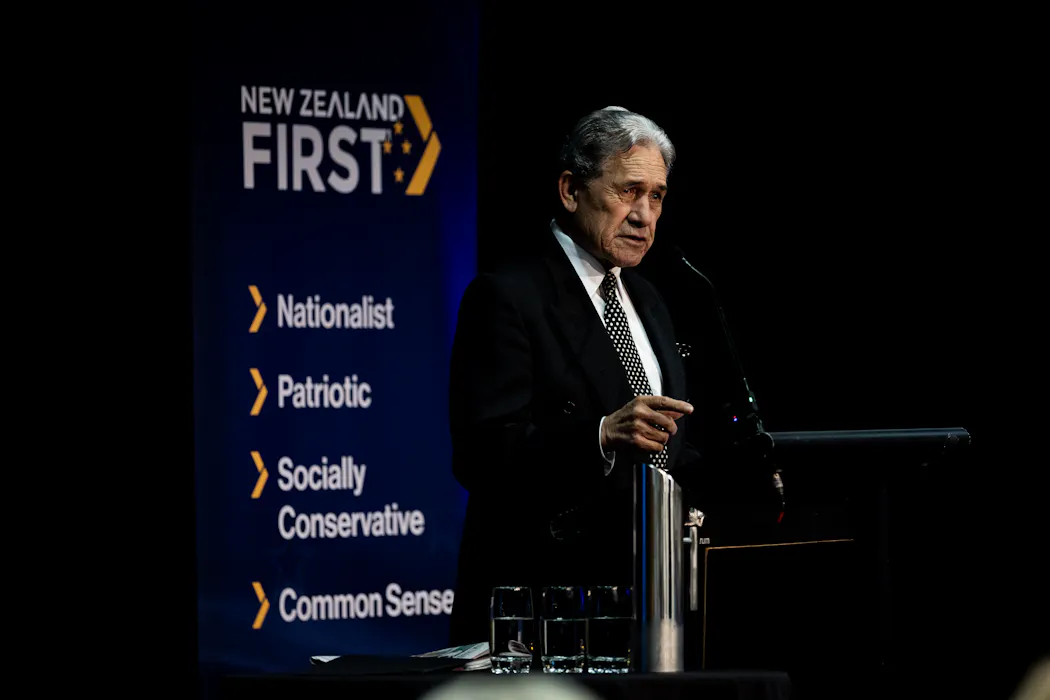
新西兰第一党领导人温斯顿·彼得斯宣称"多样性是弱点和不团结"1,这一观点引发了对多样性政策实际效益的审视。
据麦肯锡2023年涵盖23个国家1200家公司的报告,实现多样性的企业获得了更好的财务回报1。在国家层面,瑞士国内生产总值的10%来自其四种国家语言带来的多样性优势;相比之下,英国因语言政策管理不当损失了GDP的3.5%1。这些数据表明,多样性本身并非问题所在,关键在于其管理方式。
新西兰已呈现高度人口多样性特征。目前有30%的新西兰人出生在海外,其中奥克兰地区这一比例达到43%1。展望未来,到2040年代,亚裔社群将占新西兰人口的三分之一,毛利人占五分之一,同时约三分之一的学龄儿童将来自这些不同背景1。面对这样的人口结构变化,有效管理多样性而非回避多样性本身,已成为新西兰必须面对的现实问题。
New Zealand First Party leader Winston Peters has declared that "diversity is weakness and disunity," 1 a statement that contrasts sharply with findings from major research on organizational and national performance. A 2023 McKinsey report examining over 1,200 companies across 23 countries concluded that organizations "make diversity happen have better financial returns," 1 suggesting a positive correlation between workforce diversity and financial outcomes.
International examples further illustrate diversity's economic impact. Switzerland generates approximately 10% of its GDP from four national language communities, 1 while the United Kingdom has lost an estimated 3.5% of its GDP due to poor language policies, 1 demonstrating how multilingual diversity can either strengthen or weaken economic performance depending on management. New Zealand's demographic reality reflects significant existing diversity: 30% of the nation's population was born overseas, with Auckland's proportion reaching 43%. 1 Projections indicate this trend will intensify, with Asian communities expected to comprise one-third of New Zealand's population by the 2040s, Maori representing one-fifth, and one-third of school-age children belonging to these groups. 1
The central challenge facing New Zealand is not whether to embrace or reject diversity, but rather how to effectively manage it as the nation's demographic composition continues to shift.
评论
还没有评论,欢迎留下第一条。