世界卫生组织与其捐助国于2022年2月2日在日内瓦召开会议,共同评估世卫组织应急基金(CFE)的影响,并探讨加强该基金的途径1。作为世卫组织最强有力的应急响应工具之一,应急基金自2015年成立以来,已获得超过2亿美元的捐助1。在2015年至2021年期间,该基金被用于应对超过130场紧急事件,惠及50多个国家和地区1。
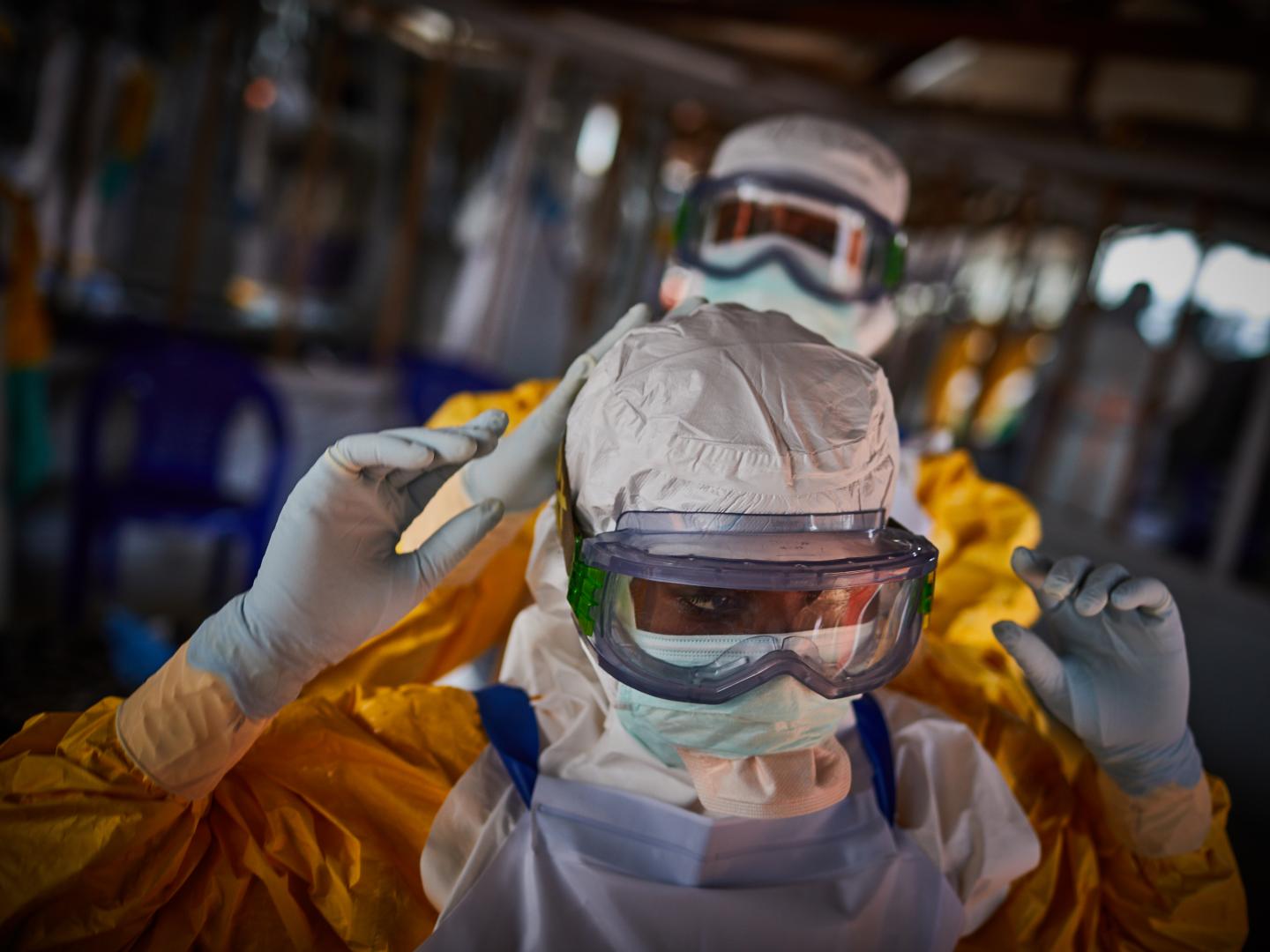
目前,应急基金已吸引24个捐助国参与,美国表示将成为第25个成员国1。过去两年间,该基金在多个重大危机中发挥了关键作用,包括阻止非洲五次埃博拉疫情、支持贝鲁特港爆炸应急医疗响应,以及支持瓦努阿图哈罗德热带气旋救援1。与会者指出,应急基金的存在节省了寻求额外资源所需的时间,最重要的是挽救了生命1。
Representatives from the World Health Organization and its donor nations convened in Geneva on February 2, 2022, to assess the impact of the WHO Contingency Fund for Emergencies (CFE) and explore ways to strengthen the mechanism.1 Between 2015 and 2021, the CFE accumulated over $200 million in contributions from donors and was deployed to respond to more than 130 emergency situations across more than 50 countries and territories.1 The fund currently operates with support from 24 donor nations, with the United States signaling its intention to become the 25th member state.1
The CFE, established in 2015, has demonstrated its capacity to serve as one of the WHO's most powerful emergency response tools.1 Over the preceding two years, the fund prevented five Ebola outbreaks in Africa, supported emergency medical response following the Beirut port explosion, and aided relief efforts for Tropical Cyclone Harold in Vanuatu.1 Jane Ellison remarked that the CFE "has saved us from needing to seek additional resources, it has saved time, and most importantly, it has saved lives."1
评论
还没有评论,欢迎留下第一条。